

Why natural fabrics matter: comfort, style, and sustainability
TL;DR:
- Natural fabrics derive from plant or animal sources, but their environmental impact depends heavily on farming and processing choices. While natural fibers like cotton, wool, and linen are celebrated for comfort and skin-friendliness, their sustainability varies based on cultivation methods and chemical treatments. Responsible selection and proper care are essential for maximizing health benefits and minimizing environmental harm.
There’s a persistent idea in fashion that choosing natural fabrics is always the smartest, most responsible move. It’s a comforting thought, but it glosses over a much more interesting reality. Life-cycle impacts of natural fibres depend heavily on farming and processing choices, meaning that a linen blouse grown with intensive irrigation and processed with chemical dyes may not be greener than a well-made synthetic blend. This guide cuts through the noise so you can make confident, informed choices about the clothes you buy, wear, and love.
Table of Contents
- What makes a fabric ‘natural’ and why it matters
- The comfort factor: How natural fabrics perform
- Sensitive skin and health: What you need to know
- Sustainability: The real story behind natural fabrics
- Making smarter choices: How to buy and care for natural fabrics
- Why personal values and context matter more than labels
- Discover fashionable natural-fibre pieces you’ll love
- Frequently asked questions
Key Takeaways
| Point | Details |
|---|---|
| Comfort depends on fabric structure | Natural fabrics are often breathable and moisture-regulating but construction and finishing matter just as much. |
| Look beyond the ‘natural’ label | Not all natural fibres or processes are eco-friendly—check for evidence, context, and certification. |
| Synthetics have a place | Engineered materials can outperform in certain roles, so consider use and environment. |
| Skin health requires scrutiny | Even natural fabrics may cause irritation if they’re treated or poorly constructed; individual reactions vary. |
| Longevity multiplies sustainability | The most eco-friendly option is one you love and maintain for years, regardless of fibre. |
What makes a fabric ‘natural’ and why it matters
Natural fabrics come from plant or animal sources and are processed into wearable fibres. Cotton, wool, linen, silk, bamboo, hemp, and cashmere all fall into this category. Synthetics, by contrast, are derived from petrochemicals or industrial processes. Think polyester, nylon, acrylic, and spandex. The distinction feels simple, but the implications for comfort, skin health, and sustainability are layered and sometimes surprising.
The most common natural fabrics each have distinct personalities:
- Cotton is soft, breathable, and widely available, making it the world’s most worn fibre.
- Wool excels at thermal regulation and naturally resists odours, ideal for cooler climates.
- Linen is exceptionally strong, gets softer with each wash, and has a low-water profile when grown responsibly.
- Silk is lightweight and temperature-regulating, with a naturally smooth surface gentle on skin.
- Bamboo grows rapidly without pesticides in most conditions and produces a fabric with benefits of bamboo fabric like natural antibacterial properties and impressive softness.
- Hemp requires minimal water and no pesticides, making it one of the most environmentally responsible options available.
“Natural fabrics are chosen for wearer comfort because many natural fibres are hygroscopic and breathable, helping regulate heat and moisture at the skin.”
Understanding the role of fabrics in comfort matters because it shapes every wardrobe decision you make, from a casual weekend dress to a coat you’ll wear for the next decade. The production method is where things get complicated. A conventionally grown cotton T-shirt uses enormous quantities of water and pesticides. A bamboo fabric labelled “natural” may be produced through a highly chemical-intensive process that rivals synthetic manufacturing. “Natural” on a label tells you about origin, not impact.
What it does tell you, reliably, is something about how the fabric feels and performs on your body. Natural fibres like cotton and wool excel at moisture management and breathability, which is why they remain the go-to choice for everyday wear and why dermatologists continue to recommend them for sensitive skin.
The comfort factor: How natural fabrics perform
With a basic understanding of what sets natural fabrics apart, let’s look at how those qualities actually show up day-to-day and which fibres win out for different activities.
Breathability is the fabric’s ability to allow air to pass through its structure. Moisture management refers to how effectively a fabric moves sweat away from the skin or absorbs it without clinging. Thermal regulation is the garment’s ability to keep you warm when it’s cold and cool when it’s warm. Natural fibres generally excel on all three fronts, but not always in the same way.
Natural fibre comfort is linked to air permeability and moisture management, though synthetics can outperform in specific contexts, particularly when engineered construction is a factor. A high-performance athletic top made of moisture-wicking polyester mesh may outperform a basic cotton tee during a sweaty workout because the construction has been specifically optimised for that purpose.
Here’s a practical breakdown:
| Fabric | Breathability | Moisture management | Thermal regulation |
|---|---|---|---|
| Cotton | Excellent | Good (absorbs, not wicks) | Moderate |
| Wool | Very good | Excellent | Outstanding |
| Silk | Very good | Good | Excellent |
| Linen | Outstanding | Good | Moderate/cool |
| Viscose | Good | Moderate | Moderate |
| Polyester | Moderate | Variable (depends on knit) | Low |
| Active blends | Variable | Excellent | Variable |
Wool stands out because it can absorb up to 30% of its weight in moisture before it even feels damp, making it exceptional for layering in unpredictable weather. Linen, with its open weave structure, is the gold standard for hot climates. Silk surprises people as a year-round performer rather than just a luxury indulgence.
Pro Tip: The garment’s construction matters as much as the fibre itself. A tightly woven cotton poplin will trap more heat than a loosely knit cotton jersey, even though they’re both 100% cotton. When shopping, consider weave and weight alongside fibre type.
Sensitive skin and health: What you need to know
Comfort goes beyond temperature. Your skin’s reaction to what it touches all day is just as important, so it’s worth looking closely at how natural fibres hold up for those with sensitivities.
Natural fibres are typically recommended for people with sensitive or allergy-prone skin because they tend to cause less friction, allow better airflow, and reduce the risk of overheating that can trigger irritation. According to fabric guidance for sensitive skin, natural fibres are generally best suited for reactive skin, but care with fabric treatments is critical. That caveat deserves its own conversation.
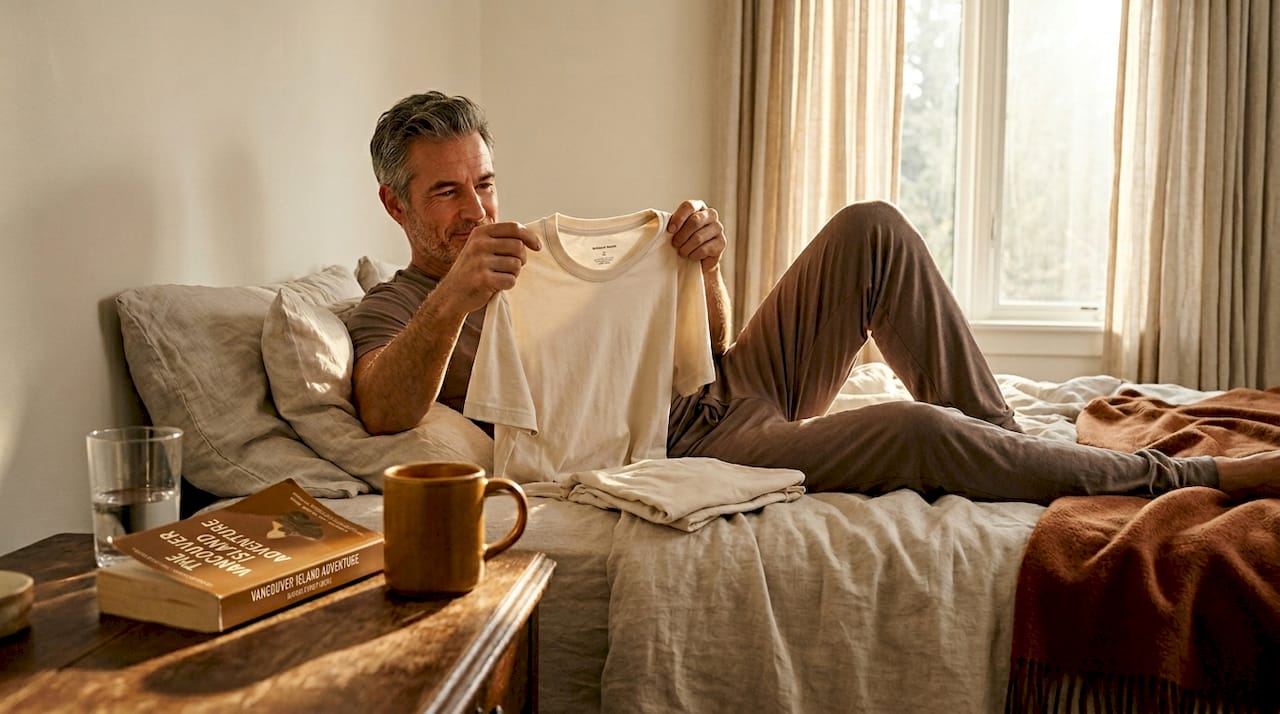
The problem is that most garments, even those made from beautifully soft natural fibres, go through significant finishing processes before they reach you. Wrinkle-resistant finishes, permanent press treatments, and synthetic dyes can all introduce chemical irritants that have nothing to do with the base fibre. A 100% organic cotton shirt that’s been treated with formaldehyde-based wrinkle resistance is no longer the skin-friendly item it appears to be on the hanger.
Watch for these signs that your skin may be reacting to clothing:
- Persistent redness or rash where the fabric makes close contact
- Itching that gets worse after washing with certain detergents
- Skin that feels dry or tight after wearing a particular garment
- Breakouts along bra lines, waistbands, or collar edges
- Worsening eczema or psoriasis in areas covered by specific fabrics
Pro Tip: Look for third-party certifications like OEKO-TEX Standard 100, which tests fabrics for harmful substances. Minimally finished, certified fabrics are genuinely more likely to be gentle on reactive skin, not just those labelled “natural.”
Wool is worth a special mention here. Merino wool is extremely fine and soft, making it far gentler on sensitive skin than coarser wool varieties. However, standard wool can feel scratchy and provoke irritation for many people. Knowing the specific fibre variety, not just the broad category, helps you make better decisions.
Sustainability: The real story behind natural fabrics
Aside from comfort and health, sustainability is a huge part of most modern wardrobe decisions. So how green are natural fabrics really? The honest answer is: it depends enormously.
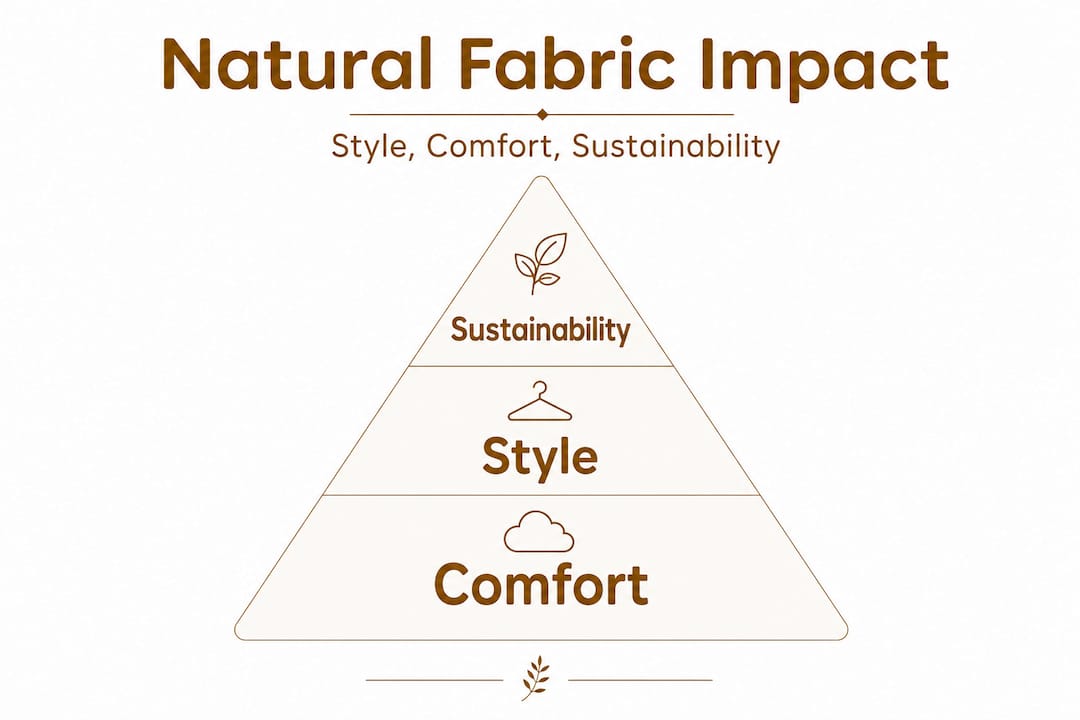
The environmental case for natural fabrics is not automatically positive. Impacts depend heavily on farming practices and raw-material acquisition. An organic cotton garment, for example, may have a higher carbon footprint than expected once you factor in land use, water consumption, and the energy-intensive organic certification processes.
The major sources of environmental impact across natural fibres include:
| Impact category | Cotton | Wool | Linen | Silk |
|---|---|---|---|---|
| Water use | Very high | Moderate | Low | High |
| Pesticide use | High (conventional) | Moderate | Low | Moderate |
| Land use | High | High | Moderate | High |
| Processing chemicals | Moderate to high | Moderate | Low | Moderate |
| Biodegradability | Good | Excellent | Excellent | Good |
“Life-cycle assessments show no one-size-fits-all answer. Fibre type, farming region, garment construction, and end-of-life care all shape the real environmental story.”
Understanding why sustainable fashion matters is the starting point, but making genuinely better choices requires looking past the marketing. Hemp and linen are consistently among the lowest-impact fibres, requiring minimal water and chemical input. Conventionally grown cotton sits at the other end of the spectrum.
Here are three smart ways to prioritise sustainable natural fabrics:
- Choose fibre type wisely. Hemp and linen are generally lower impact. Conventional cotton is one of the thirstiest crops on the planet. When possible, seek out organic certified cotton or responsible wool sourcing.
- Look for credible certifications. GOTS (Global Organic Textile Standard), OEKO-TEX, and Bluesign are reliable markers of reduced chemical use and ethical practices. Don’t rely on the word “eco” or “natural” alone.
- Maximise garment lifespan. Explore eco-friendly fashion shopping strategies that focus on quality over quantity. A well-cared-for wool coat worn for fifteen years has a dramatically better environmental profile than three cheaper coats replaced every five years.
The single biggest environmental impact lever you have as a shopper is how long you keep what you buy.
Making smarter choices: How to buy and care for natural fabrics
Now that the nuances are clear, here’s how to apply these insights the next time you shop or look after your wardrobe.
The word “natural” on a label is a starting point, not a complete answer. Prioritising specific fibres and maximising article lifespan through care and repair are the most effective ways to reduce your fashion footprint. Understanding the sustainable fashion benefits that actually translate into real wardrobe decisions takes a little practice, but quickly becomes second nature.
Matching your fibre to your use case matters enormously. Linen and cotton are outstanding for warm climates and summer dressing. Merino wool is ideal for travel layering because it resists wrinkles and odours. Silk is a thoughtful investment for occasion wear that, cared for properly, outlasts many cheaper alternatives.
Quick dos and don’ts when shopping for natural fabrics:
- Do check fibre content and country of origin on labels
- Do look for third-party sustainability certifications
- Do wash natural fibres in cold water with gentle detergents to preserve structure and colour
- Do air dry where possible to extend the life of the fabric
- Don’t assume “natural” equals chemical-free without checking for finishing treatments
- Don’t buy based on brand storytelling alone. Ask what certifications back the claims
- Don’t machine wash silk or delicate wools unless the label explicitly confirms it’s safe
- Don’t ignore small repairs. A loose button or minor seam split fixed promptly can add years to a garment’s life
Care is where so many natural fabric investments unravel. A beautiful merino sweater washed on a hot cycle or dried in a tumble dryer can shrink irreparably in one wash. Learning the care needs of each fibre you own isn’t complicated. It’s just a matter of taking five minutes to understand what you’ve invested in.
Why personal values and context matter more than labels
Here’s the perspective we’ve developed after spending real time thinking about fabric choice, sustainability, and how women actually live in their clothes: there is no universal right answer, and anyone telling you otherwise is selling you something.
Comfort, health, and environmental impact all depend on your body, your climate, your lifestyle, and your budget. A woman in coastal British Columbia navigating wet, cool weather has different needs than someone in Calgary facing harsh winters or a reader in Southeast Asia managing year-round heat. Applying a single rule across those contexts doesn’t work.
What we do push back on is blind adherence to buzzwords. “Natural” and “eco” are marketing terms until they’re backed by specifics. Ask where the fibre was grown. Ask what certifications the brand holds. Ask how the garment is meant to be cared for and what happens at end of life. Brands that genuinely prioritise sustainability will answer those questions clearly, not defensively.
The most sustainable fabric in your wardrobe is almost always the one you wear the most and care for the longest. A fast-fashion cotton piece bought on impulse and discarded after six months contributes more harm than a thoughtfully chosen synthetic blend worn weekly for four years. Understanding what sustainable fashion actually means in practice means moving past the label and looking at the full story of a garment’s life.
Style and sustainability aren’t in conflict when you shop with clarity. Your values matter. So does the context you live in.
Discover fashionable natural-fibre pieces you’ll love
Ready to put these insights into practice in your own wardrobe? Finding pieces that genuinely deliver on comfort, skin-friendliness, and thoughtful construction doesn’t mean sacrificing style.
At 16th Avenue, we’ve curated pieces that bring natural-fibre quality into your real wardrobe. The women’s woolen coat is a standout autumn and winter investment, combining the thermal regulation of wool with a silhouette you’ll reach for season after season. For days when you need both warmth and function underfoot, the fashion snow boots offer comfort-forward design that pairs beautifully with natural-fibre layering. Browse our full collection and let your next wardrobe addition be one you’ll truly wear with confidence.
Frequently asked questions
Are all natural fabrics better for the environment than synthetics?
Not always. Life-cycle impacts can make natural fibres less sustainable depending on farming region and processing, so context always matters.
Which natural fibre is best for people with sensitive skin?
Cotton and bamboo are often the gentlest options, but fabric treatments and individual sensitivities are the most important factors to consider.
Can synthetic fabrics ever be more comfortable than natural ones?
Yes. Engineered synthetics like polyester blends can provide greater air and moisture permeability, particularly in sportswear and performance contexts.
How do I know if a natural fabric is sustainably produced?
Look for recognised third-party certifications such as GOTS or OEKO-TEX, and seek out brands that are transparent about their sourcing and manufacturing practices.
What’s the easiest way to extend the life of natural-fibre clothing?
Follow care label instructions carefully, use gentle detergents, wash in cold water, and repair small damages promptly before they become bigger problems.