


Why sustainable fashion matters: cut emissions by 44% in 2026
The fashion industry is responsible for a staggering reality: it produces approximately 10% of global CO2 emissions, surpassing combined emissions from international flights and shipping. Yet many sustainability claims are misleading. With 59% of fashion brand sustainability assertions being vague or unverifiable, understanding what truly defines sustainable fashion has never been more critical for conscious consumers.
Table of Contents
- Understanding The Environmental Impact Of Fashion
- Social Justice And Ethical Labour In Fashion
- Common Misconceptions And The Reality Of Sustainable Fashion
- The Circular Fashion Model: Repair, Resale, And Rent
- Consumer Demand, Market Trends, And Innovations
- How You Can Make A Difference: Practical Steps For Sustainable Fashion Choices
- Discover Stylish Sustainable Fashion At 16th Avenue
Key takeaways
| Point | Details |
|---|---|
| Fashion’s environmental toll | The industry accounts for 10% of global carbon emissions and massive water consumption, with a single cotton T-shirt requiring 2,700 litres of water. |
| Social justice imperative | About 80% of garment workers are women earning less than living wages, making ethical labour a core sustainability concern. |
| Greenwashing is prevalent | Nearly 60% of sustainability claims lack verification, requiring consumers to critically assess brand transparency. |
| Circular fashion cuts emissions | Doubling garment wear reduces fashion-related greenhouse gases by 44%, while secondhand markets are projected to reach $350 billion by 2028. |
| Consumer power drives change | Millennials and Gen Z prioritise sustainability, with 75% of Gen Z shoppers valuing eco-friendliness over brand names. |
Understanding the environmental impact of fashion
The fashion sector ranks among the planet’s most polluting industries. Fashion accounts for approximately 10% of global carbon dioxide emissions, a figure that exceeds the combined output of international aviation and maritime shipping. This massive carbon footprint stems from energy-intensive manufacturing processes, long-distance transportation networks, and synthetic material production.
Water consumption presents another alarming dimension of fashion’s environmental burden. Producing a single cotton T-shirt consumes about 2,700 litres of water, equivalent to one person’s drinking needs for 900 days. Cotton cultivation requires extensive irrigation, pesticide application, and processing that depletes freshwater resources in regions already facing water scarcity.
Textile waste compounds these environmental challenges:
- About 85% of textiles produced annually are sent to landfills or incinerated
- Less than 1% of textiles are recycled into new clothing
- Synthetic fabrics release microplastics during washing, contaminating waterways
- Fast fashion business models encourage rapid disposal and replacement cycles
The fast fashion impact extends beyond production to include transportation emissions, packaging waste, and end-of-life disposal. Understanding the full scope of the fashion industry’s carbon footprint reveals why transitioning to sustainable alternatives represents an urgent priority. These statistics demonstrate that every purchase decision carries environmental consequences, making informed consumer choices essential for reducing fashion’s ecological harm.
Fashion’s environmental impact rivals that of major industrial sectors, demanding immediate attention from both producers and consumers.
Social justice and ethical labour in fashion
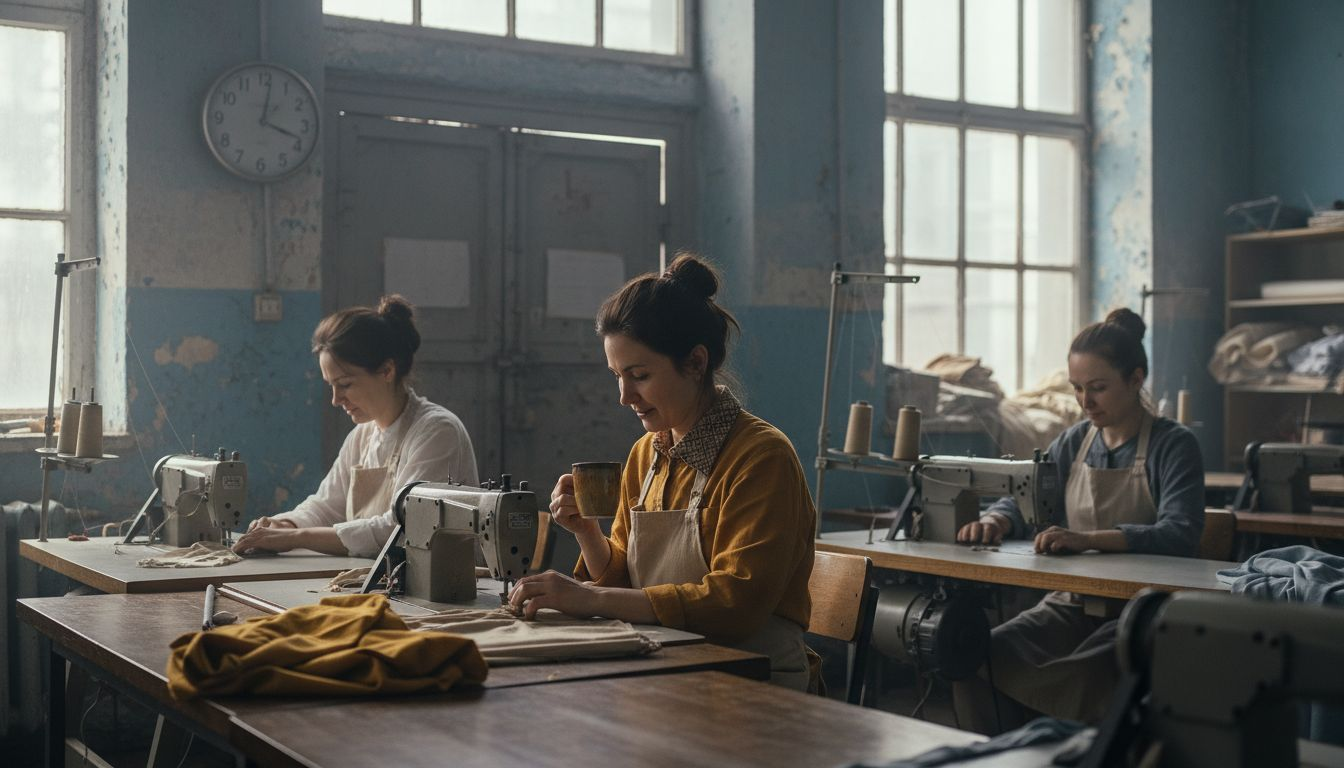
Sustainable fashion encompasses more than environmental considerations. The human cost of clothing production reveals systemic exploitation that disproportionately affects women. About 80% of garment workers worldwide are women, with most earning less than a living wage despite working in hazardous conditions.
These workers face numerous challenges:
- Inadequate wages that fail to cover basic living expenses
- Unsafe factory conditions with poor ventilation and fire hazards
- Excessive working hours without proper compensation
- Limited rights to organise or advocate for improved conditions
- Exposure to toxic chemicals used in dyeing and finishing processes
Genuine sustainability requires addressing both environmental and social dimensions. Ethical fashion prioritises fair labour practices alongside ecological responsibility. Brands committed to true sustainability ensure transparent supply chains, fair compensation, safe working environments, and respect for workers’ rights throughout their production networks.
Consumers play a crucial role in demanding accountability. Looking beyond marketing claims to verify actual labour practices helps support companies that genuinely value their workforce. Third-party certifications provide valuable verification of ethical standards.
Pro tip: Seek certifications such as Fair Trade, SA8000, or B Corporation status that independently verify fair labour practices and ethical supply chain management.
The concentration of female workers in garment manufacturing means that supporting ethical fashion directly empowers women economically. Fair wages enable education, healthcare access, and improved living conditions for workers and their families. When you choose brands with verified garment workers labour data showing fair practices, you contribute to breaking cycles of poverty and exploitation.
Social sustainability transforms fashion from an extractive industry into one that honours human dignity. This shift requires consumer awareness, brand transparency, and regulatory frameworks that protect vulnerable workers while maintaining economic viability.
Common misconceptions and the reality of sustainable fashion
Navigating sustainable fashion requires distinguishing genuine efforts from superficial marketing. Greenwashing has become widespread, with 59% of sustainability claims by fashion brands being vague, misleading, or unverifiable. This prevalence of deceptive marketing creates confusion and undermines trust in legitimate sustainable practices.
Several myths persist about sustainable fashion:
-
Myth: All recycled materials are automatically sustainable. Reality: Recycling processes can be energy-intensive, and some recycled synthetics still shed microplastics. Lifecycle assessments matter more than material origin alone.
-
Myth: Sustainable fashion is only for niche markets. Reality: Sustainable practices increasingly influence mainstream fashion, with major brands incorporating eco-friendly lines and transparent supply chains.
-
Myth: Any ‘eco’ or ‘green’ label guarantees sustainability. Reality: Without third-party certification or transparent data, these terms often serve as marketing rather than meaningful commitments.
-
Myth: Sustainable fashion is always expensive. Reality: Secondhand shopping, clothing swaps, and repair extend garment life affordably while reducing environmental impact.
-
Myth: Individual choices don’t matter. Reality: Consumer demand directly influences industry practices, with brands responding to market preferences for transparency and sustainability.
Nearly 60% of sustainability claims lack proper verification, making consumer vigilance essential for identifying genuine sustainable fashion.
Recognising greenwashing statistics helps you evaluate brand claims critically. Look for specific, measurable commitments rather than vague environmental language. Genuine sustainable brands provide detailed information about materials, production processes, labour conditions, and environmental impact metrics. They welcome scrutiny and offer transparency rather than hiding behind marketing buzzwords.
Understanding these realities empowers you to make informed decisions aligned with your values. Sustainability requires ongoing learning and critical assessment rather than blind trust in marketing messages.
The circular fashion model: repair, resale, and rent
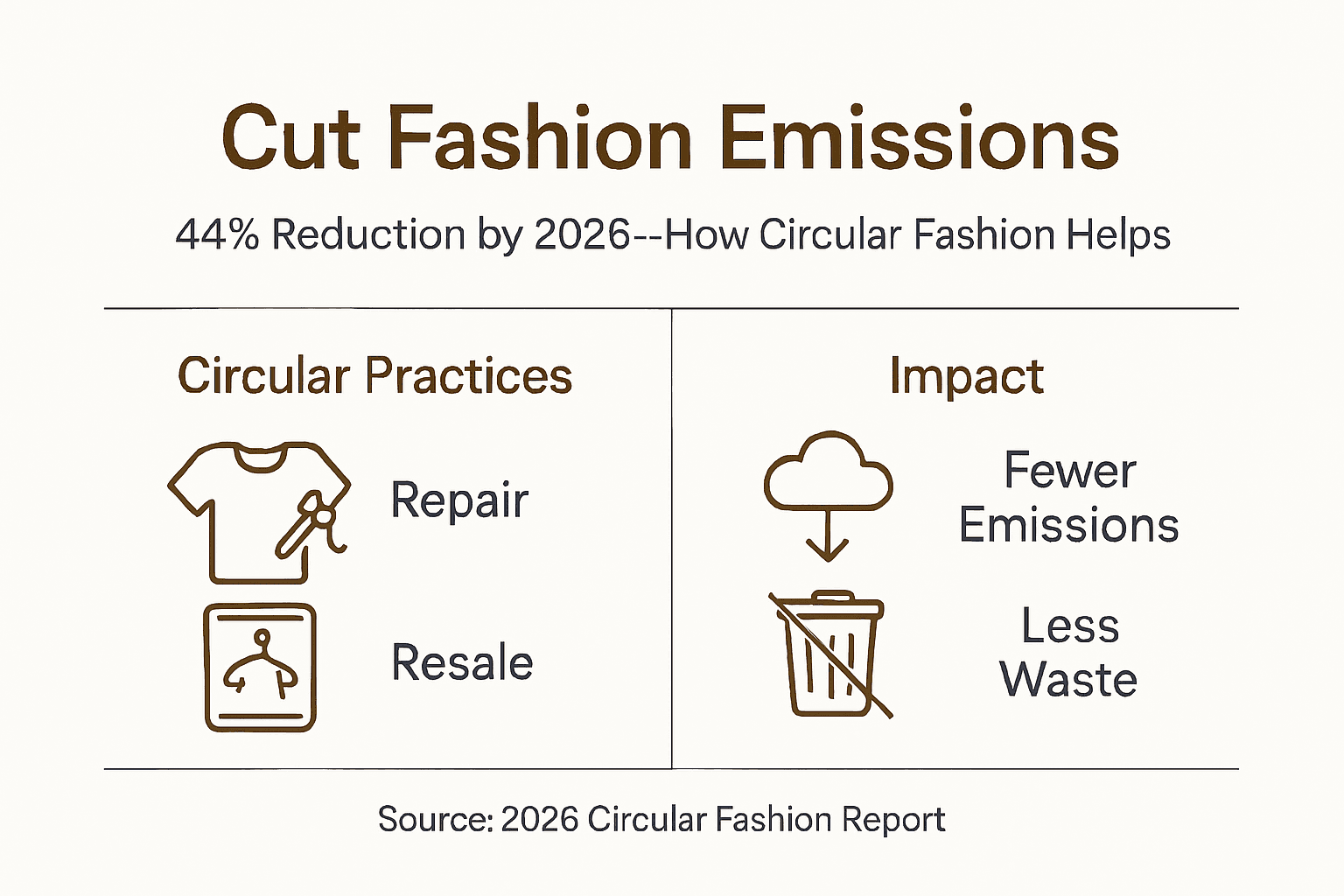
Circular fashion represents a transformative approach to clothing consumption. Unlike the traditional linear model of make, use, dispose, circular systems keep garments in use longer through repair, resale, and rental. Doubling the number of times a garment is worn could cut fashion-related greenhouse gas emissions by 44%, demonstrating the profound impact of extended garment lifecycles.
The secondhand market reflects growing consumer interest in circular approaches. Secondhand apparel sales are projected to reach a $350 billion market by 2028, indicating mainstream acceptance of pre-owned fashion. This growth challenges traditional retail models whilst providing affordable, sustainable alternatives.
| Approach | Environmental Impact | Consumer Benefits | Examples |
|---|---|---|---|
| Repair | Extends garment life, reduces waste | Cost savings, personal satisfaction | Mending services, DIY repairs, alterations |
| Resale | Prevents landfill disposal, reduces new production demand | Affordable quality pieces, unique finds | ThredUp, Poshmark, local consignment |
| Rental | Maximises garment utilisation, reduces ownership burden | Access to variety without commitment | Rent the Runway, special occasion rentals |
| New production | Highest resource consumption and emissions | Latest styles, perfect fit | Traditional retail |
You can participate in circular fashion through practical actions:
- Learn basic mending skills to repair minor damage instead of discarding garments
- Sell or donate clothing you no longer wear to extend its useful life
- Explore rental services for occasion wear or items you’ll use infrequently
- Purchase quality secondhand pieces that offer durability and style
- Support brands offering take-back programmes or repair services
Pro tip: Regularly audit your wardrobe to identify pieces needing repair or suitable for resale, preventing unnecessary purchases whilst maximising the value of existing items.
The circular fashion benefits extend beyond individual choices to systemic change. As more consumers embrace repair and resale, brands respond by designing for durability and offering services that support extended product lifecycles. This shift in both supply and demand creates momentum towards genuinely sustainable fashion systems.
Understanding emissions reduction potential through circular practices reveals how consumer behaviour directly influences environmental outcomes. The explosive growth of secondhand market demonstrates that sustainable choices align with both environmental values and economic sense.
Consumer demand, market trends, and innovations
Younger generations drive the sustainable fashion revolution through purchasing power and values. 62% of millennials prefer brands with clear sustainability commitments, whilst 75% of Gen Z shoppers prioritise sustainability over brand names when purchasing fashion. This generational shift compels brands to adopt transparent, verifiable sustainable practices or risk losing market relevance.
Key market trends shaping sustainable fashion include:
- Increased demand for supply chain transparency and third-party certification
- Growth in rental and resale platforms as mainstream shopping channels
- Consumer willingness to pay premium prices for verified sustainable products
- Social media amplification of brand accountability and ethical lapses
- Integration of sustainability metrics into brand reputation and value
Technological innovation accelerates sustainable alternatives to conventional materials. Innovations like cactus leather reduce water use by up to 164,650% compared to traditional animal leather, demonstrating how material science creates environmentally superior options. Other innovations include mushroom leather, pineapple fibre fabrics, and lab-grown silk that eliminate animal exploitation whilst dramatically reducing resource consumption.
Three-quarters of Gen Z consumers prioritise sustainability over brand prestige, fundamentally reshaping fashion market dynamics.
Brands responding to sustainability demand gain competitive advantages through customer loyalty and positive brand perception. Transparency about materials, labour practices, and environmental impact builds trust with conscious consumers. Companies that authentically integrate sustainability into business models rather than treating it as marketing flourish in this evolving market.
The intersection of fashion trends and sustainability reveals that eco-consciousness no longer conflicts with style. Contemporary sustainable fashion offers aesthetic appeal alongside environmental responsibility. Millennials sustainability preferences and Gen Z sustainable shoppers demonstrate that younger consumers refuse to compromise between values and style.
Innovative sustainable materials continue emerging, offering designers creative possibilities whilst addressing environmental concerns. These developments prove that sustainability drives innovation rather than limiting it, creating opportunities for brands willing to invest in research and development.
How you can make a difference: practical steps for sustainable fashion choices
Transforming fashion industry practices begins with individual actions that collectively create systemic change. Your purchasing decisions signal market demand for sustainable alternatives, encouraging brands to prioritise environmental and social responsibility. Implementing practical strategies makes sustainable fashion accessible regardless of budget or lifestyle.
Take these concrete steps towards sustainable fashion:
-
Prioritise quality over quantity. Invest in well-made garments that withstand repeated wear and washing, reducing the frequency of replacement purchases.
-
Research brand transparency. Support companies that openly share supply chain information, labour practices, and environmental impact data with third-party verification.
-
Embrace secondhand shopping. Explore thrift stores, online resale platforms, and clothing swaps for unique pieces that prevent textile waste.
-
Learn basic garment care. Proper washing, storage, and minor repairs extend clothing lifespan significantly, maximising the value of each purchase.
-
Consider rental for occasional wear. Access special occasion outfits without the environmental cost and storage burden of ownership.
-
Verify sustainability claims. Look for specific certifications like GOTS, Fair Trade, or B Corporation rather than accepting vague environmental marketing.
-
Support circular systems. Participate in brand take-back programmes, repair services, and resale options that keep textiles in circulation.
-
Build a versatile wardrobe. Choose adaptable pieces that work across multiple occasions and seasons, reducing the total number of items needed.
Pro tip: Conduct quarterly wardrobe audits to identify garments needing repair, items for resale or donation, and gaps to fill thoughtfully rather than impulsively.
Understanding the comprehensive sustainable fashion guide empowers informed decisions aligned with your values. Each choice contributes to broader industry transformation, demonstrating consumer preference for ethical, environmentally responsible fashion.
Your influence extends beyond individual purchases to advocacy and education. Sharing knowledge about sustainable practices, questioning brand claims, and supporting policy changes amplifies impact. The fashion industry responds to consumer demand, making your voice and choices powerful tools for positive change.
Sustainable fashion requires ongoing commitment rather than perfection. Start with manageable changes, gradually incorporating more sustainable practices as you learn and adapt. Every garment kept in use longer, every secondhand purchase, and every brand held accountable moves the industry towards genuine sustainability.
Discover stylish sustainable fashion at 16th Avenue
Your journey towards sustainable fashion deserves a trusted partner. At 16th Avenue, we blend contemporary style with environmental consciousness, offering fashion choices that align with your values without compromising aesthetics.
Explore our curated collection featuring the latest women’s fashion trends 2026, designed with sustainability in mind. From versatile everyday pieces to statement items, our selection helps you build a wardrobe that reflects both your personal style and commitment to responsible fashion.
Our women’s winter woollen coat exemplifies quality craftsmanship and timeless design. Investing in durable outerwear reduces the need for frequent replacements, embodying circular fashion principles whilst keeping you stylish through changing seasons.
Discover essential fashion tips for women that help you maximise wardrobe versatility and make informed purchasing decisions. Our resources support your sustainable fashion journey with practical guidance grounded in both style expertise and environmental awareness.
FAQ
What is the difference between sustainable fashion and ethical fashion?
Sustainable fashion focuses primarily on environmental impact, addressing resource consumption, emissions, and waste reduction. Ethical fashion emphasises social justice, ensuring fair labour practices, safe working conditions, and equitable wages throughout supply chains. The most responsible brands integrate both dimensions, recognising that true sustainability requires environmental stewardship and human rights protection.
How can I spot greenwashing in fashion marketing?
Look for specific, verifiable claims with third-party certification rather than vague terms like ‘eco-friendly’ or ‘conscious.’ Genuine sustainable brands provide detailed supply chain information, measurable impact data, and transparent reporting. Be sceptical of companies highlighting one small sustainable initiative whilst obscuring broader unsustainable practices.
Are recycled fabrics always better for the environment?
Not necessarily. Whilst recycling reduces virgin resource extraction, some recycling processes consume significant energy and water. Synthetic recycled materials may still shed microplastics during washing. Evaluate the complete lifecycle including production energy, durability, and end-of-life disposal rather than assuming recycled automatically means sustainable.
How does renting clothes contribute to sustainability?
Rental maximises garment utilisation by allowing multiple people to wear items that might otherwise sit unused in wardrobes. This shared access model reduces the total number of garments produced, decreasing resource consumption and waste. Rental works especially well for occasion wear, trend pieces, or items used infrequently.
What certifications should I look for to ensure fair labour practices?
Fair Trade, SA8000, and B Corporation certifications independently verify ethical labour standards including fair wages, safe conditions, and worker rights. WRAP (Worldwide Responsible Accredited Production) certification addresses factory conditions and compliance. These third-party verifications provide credible assurance beyond brand self-reporting, helping you support genuinely ethical fashion.
Recommended
- Sustainable Fashion: Why It Matters for Modern Style – 16th Avenue
- What Is Fast Fashion – Impact on Style and Planet – 16th Avenue
- What Is Ethical Fashion and Why It Matters – 16th Avenue
- Fashion Trends Guide 2026: Upgrade Your Wardrobe Easily – 16th Avenue
- Defining Sustainable Beauty: Impact on Modern Skincare – Didis Beauty Center