


What Is Fast Fashion – Impact on Style and Planet
Searching for new looks without sacrificing your values can feel like a constant challenge when the latest trends appear overnight. For women who care about the planet as much as their wardrobes, understanding ultralow prices and condensed production cycles is key to making informed choices. This guide breaks down what fast fashion really means, debunks popular myths, and empowers you to recognize the true cost of popular pieces—helping you shop smarter while staying stylish and sustainable.
Table of Contents
- Defining Fast Fashion and Common Misconceptions
- Popular Fast Fashion Brands and Types
- How Fast Fashion Trends Spread Quickly
- Environmental and Social Impact of Fast Fashion
- Ethical Alternatives and Smart Shopping Tips
Key Takeaways
| Point | Details |
|---|---|
| Understanding Fast Fashion | Fast fashion is defined by rapid trend production and ultralow prices, leading to a disposable clothing mentality. |
| Consumer Insights | Fast fashion consumers are influenced by complex social and environmental factors, not just impulsive buying habits. |
| Environmental Impact | The fast fashion industry contributes significantly to global carbon emissions and involves serious ecological and social consequences. |
| Smart Shopping | Consumers are encouraged to prioritise quality, research brand practices, and consider ethical alternatives like second-hand and sustainable clothing. |
Defining Fast Fashion and Common Misconceptions
Fast fashion is a complex and controversial retail strategy that prioritizes rapid trend production at ultralow prices. Ultralow pricing and condensed production cycles characterize this business model, enabling consumers to quickly refresh their wardrobes with the latest styles.
The core characteristics of fast fashion extend far beyond simple clothing production. Key features include:
- Extremely short design-to-retail timelines
- Extremely low production costs
- Trend replication instead of original design
- Frequent collection updates (sometimes multiple times per month)
- Disposable clothing mentality
Contrary to popular belief, fast fashion consumers are not simply impulsive shoppers lacking self-control. Sustainability research suggests that consumer behaviour is more nuanced, with purchasing decisions influenced by complex social and environmental factors.
Fast fashion represents a global retail phenomenon that transforms how we conceptualise clothing consumption and value.
These clothing production strategies emerged in the late 1990s and early 2000s, fundamentally changing how fashion brands approach design, manufacturing, and marketing. Major retailers began leveraging global supply chains to produce trendy clothing at unprecedented speeds and minimal costs.
Key Misconceptions About Fast Fashion:
- All fast fashion is low-quality
- Fast fashion consumers don’t care about sustainability
- The industry only targets younger demographics
- Fast fashion brands have no ethical standards
Pro tip: Before purchasing, assess clothing quality, consider longevity, and evaluate the environmental impact of your fashion choices.
Popular Fast Fashion Brands and Types
Fast fashion brands dominate the global clothing market by offering trendy, affordable apparel at unprecedented speeds. The industry has evolved to include several distinct types of fast fashion retailers, each with unique characteristics and market positioning.
Major Fast Fashion Categories:
- Ultra-Fast Fashion: Brands like Shein that launch new collections weekly
- Quick-Turnaround Fashion: Retailers such as Zara with rapid design-to-retail cycles
- Budget-Conscious Fashion: Stores like H&M and Old Navy offering low-cost trendy options
- Online-First Fashion: Digital-native brands specializing in rapid trend replication
The landscape of fast fashion is characterized by several prominent global brands that have mastered the art of quickly translating runway trends into affordable consumer products. Inexpensive clothing production has become a hallmark of these retailers, who prioritize speed and affordability over traditional design processes.
Fast fashion represents a global retail strategy that transforms clothing from a considered purchase to an impulse-driven consumption experience.
Understanding the nuanced ecosystem of fast fashion reveals a complex network of global supply chains, design strategies, and consumer behaviour. These brands leverage advanced technologies and global manufacturing networks to deliver trend-driven clothing at remarkably low prices.
Characteristics of Leading Fast Fashion Brands:
- Rapid trend adaptation
- Extremely competitive pricing
- Frequent inventory refreshment
- Minimal design-to-retail timelines
- Global supply chain optimization
Pro tip: Research brand sustainability practices and consider investing in fewer, higher-quality pieces that offer better long-term value.
How Fast Fashion Trends Spread Quickly
Digital marketing strategies have revolutionized how fashion trends propagate at unprecedented speeds. The contemporary fashion ecosystem leverages multiple channels to transform runway concepts into mainstream consumer choices within remarkably compressed timeframes.
Key Trend Acceleration Mechanisms:
- Social media influencer endorsements
- Instant visual content sharing
- Algorithmic trend recommendation systems
- Rapid production and distribution networks
- User-generated content amplification
The convergence of technology and consumer behaviour has dramatically reshaped trend diffusion. Social media platforms serve as powerful accelerants, enabling Millennial and Generation Z consumers to discover, adopt, and share fashion trends within hours of their emergence.
Trend propagation has transformed from a seasonal cycle to an instantaneous, global phenomenon powered by digital connectivity.
Understanding this rapid trend lifecycle requires examining the intricate interplay between digital platforms, consumer psychology, and manufacturing agility. Brands now design collections with viral potential, creating garments that are not just clothing but potential social media content.
Trend Spread Dynamics:
- 24-hour global visibility
- Instant consumer feedback loops
- Micro-trend emergence and decline
- Cross-cultural style exchange
- Algorithmic trend prediction
Pro tip: Follow diverse fashion influencers to understand trend evolution and develop a more nuanced personal style.
Environmental and Social Impact of Fast Fashion
Global carbon emissions from the fashion industry represent a staggering environmental challenge, accounting for approximately 10% of worldwide greenhouse gas production. This significant ecological footprint extends far beyond atmospheric pollution, encompassing widespread environmental degradation across multiple ecosystems.
Environmental Consequences:
- Water pollution from textile manufacturing
- Massive textile waste in landfills
- High water consumption in clothing production
- Microplastic contamination
- Soil degradation from chemical treatments
The human cost of fast fashion is equally profound. Labour exploitation patterns reveal systemic challenges in global supply chains, including unsafe working conditions, poverty-level wages, and persistent human rights violations.
Fast fashion represents a complex global system where consumer convenience is purchased at an extraordinary environmental and social price.
Younger generations increasingly recognize these challenges, creating a growing movement towards more sustainable and ethical fashion consumption. Consumers are demanding transparency, fair labour practices, and environmentally responsible manufacturing processes.
Social Impact Dimensions:
- Child labour in textile manufacturing
- Unsafe workplace environments
- Economic vulnerability of garment workers
- Limited workers’ rights
- Lack of fair compensation
Pro tip: Research clothing brands’ sustainability reports and prioritize purchasing from companies demonstrating genuine ethical commitments.
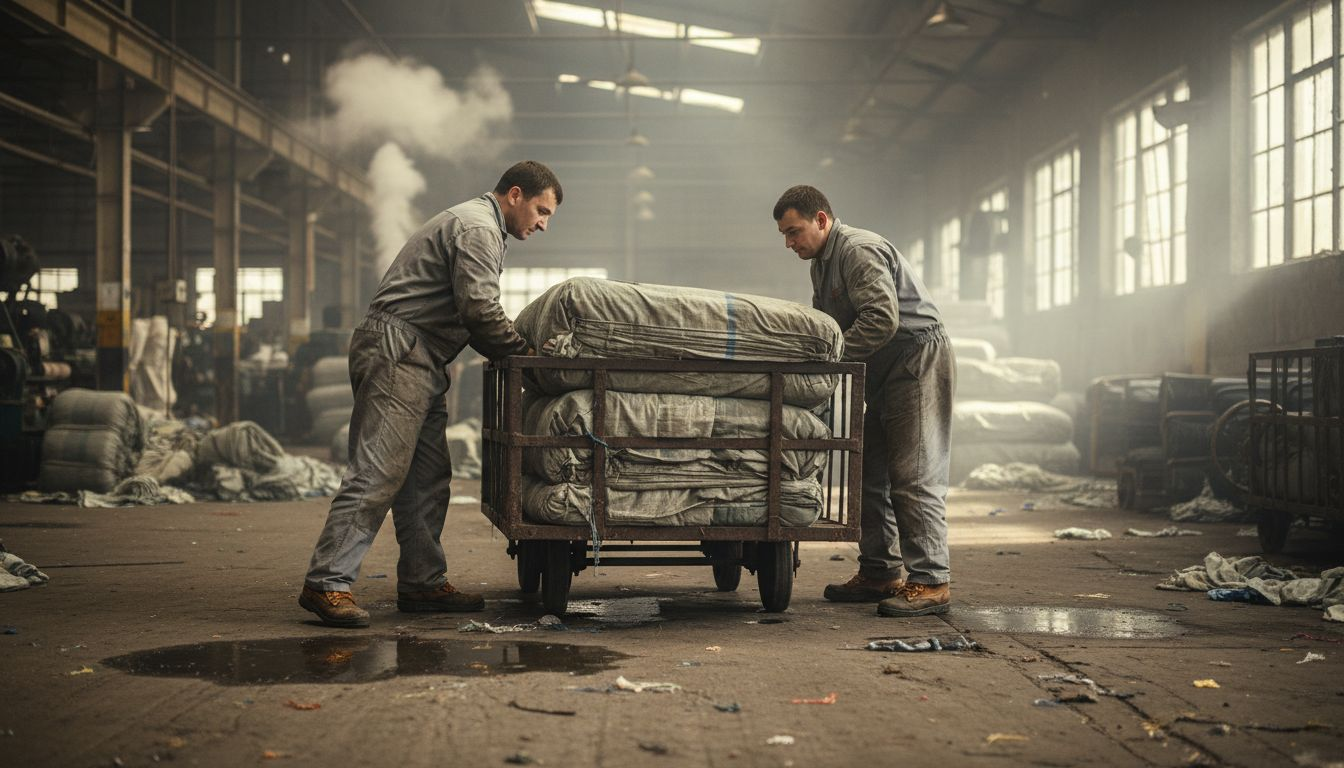
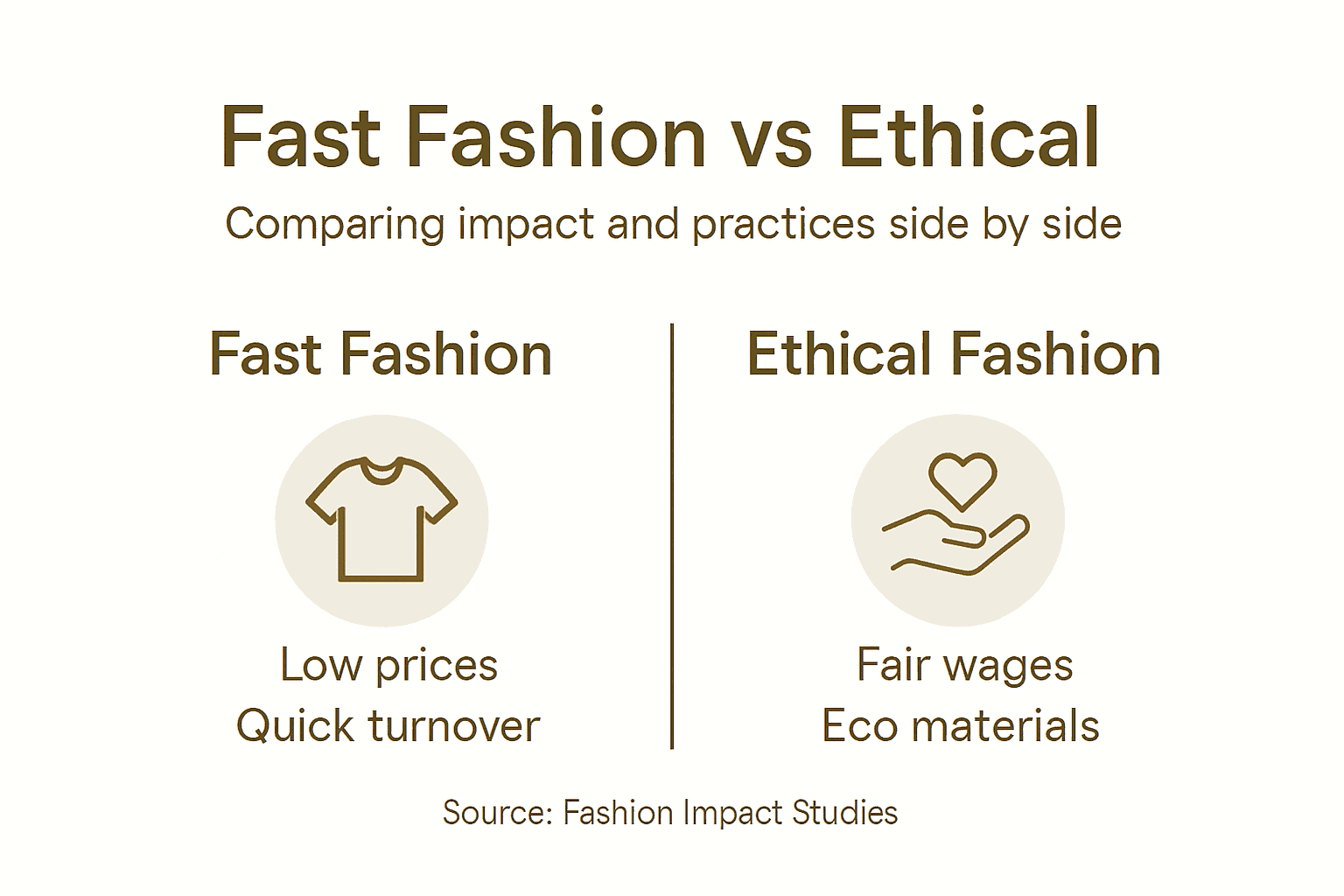
To better understand the environmental and social impacts of fast fashion, here’s a concise comparison of typical fast fashion practices versus ethical fashion approaches:
| Aspect | Fast Fashion Approach | Ethical Fashion Approach |
|---|---|---|
| Production Speed | Extremely rapid, trend-focused | Moderate, mindful design cycles |
| Worker Treatment | Low wages, unsafe environments | Fair wages, safe working standards |
| Resource Use | High water and energy consumption | Reduced resource footprint |
| Waste Generation | Large-scale textile waste | Minimal waste, circular practices |
| Transparency | Limited or unclear reporting | Open sustainability reporting |
Ethical Alternatives and Smart Shopping Tips
Second-hand clothing markets represent a powerful alternative to traditional fast fashion consumption, offering environmentally conscious consumers both economic and sustainable purchasing options. These platforms enable shoppers to reduce textile waste while accessing unique, quality garments at significantly reduced prices.
Ethical Fashion Strategies:
- Purchase from sustainable clothing brands
- Explore second-hand and vintage marketplaces
- Invest in high-quality, durable clothing pieces
- Participate in clothing swap events
- Support local and ethical manufacturers
Circular fashion practices are transforming consumer approaches to clothing acquisition and disposal. Sustainability-oriented shopping policies encourage consumers to extend garment lifecycles through strategic purchasing, rental, and reuse methods.
Conscious consumption represents the future of fashion, where value transcends immediate trends and considers broader environmental and social implications.
Modern shoppers increasingly recognize that ethical fashion choices involve more than simply avoiding fast fashion brands. The movement requires a comprehensive approach that considers production processes, worker conditions, environmental impact, and long-term garment utility.
Smart Shopping Principles:
- Prioritize quality over quantity
- Research brand sustainability practices
- Choose versatile, timeless designs
- Understand garment production origins
- Calculate cost-per-wear for investments
Pro tip: Build a capsule wardrobe with versatile, ethically produced pieces that can be mixed and matched across multiple outfits.
The following table summarises practical steps for ethical shopping and their direct benefits:
| Ethical Action | How It Helps You | How It Helps the Planet |
|---|---|---|
| Buy second-hand clothing | Access unique, affordable items | Reduces landfill waste |
| Choose durable garments | Saves money long-term | Lowers production impacts |
| Support ethical brands | Ensures fair worker treatment | Promotes responsible sourcing |
| Build a capsule wardrobe | Versatile outfits, saves space | Cuts overall consumption |
Discover Stylish Choices That Respect Your Values and the Planet
The fast fashion industry challenges us with urgent environmental and social concerns while tempting us with ever-changing trends and affordable styles. If you want to enjoy the latest fashions without compromising on sustainability or ethics the Women’s Summer Fashion Collection | 16th Avenue offers a fresh solution. Our curated selections balance trendy, versatile pieces with mindful production practices designed to help you build a wardrobe that lasts.
Shop confidently today at 16th Avenue where you can find thoughtfully designed fashion and beauty products that honour both your personal style and the planet. Choose quality over quantity and explore our collections regularly to refresh your closet responsibly. Visit the Women’s Summer Fashion Collection | 16th Avenue to make your next fashion purchase a statement for positive change.
Frequently Asked Questions
What is fast fashion?
Fast fashion is a retail strategy that focuses on quickly producing trendy clothing at low prices, allowing consumers to frequently update their wardrobes with the latest styles.
What are the environmental impacts of fast fashion?
Fast fashion contributes significantly to environmental issues, including high levels of carbon emissions, water pollution, massive textile waste, and microplastic contamination, which collectively harm ecosystems and contribute to climate change.
How does fast fashion affect garment workers?
Workers in the fast fashion industry often face low wages, unsafe working conditions, and human rights violations. Many garment workers endure economic vulnerability and limited rights due to exploitative labor practices.
What are some ethical alternatives to fast fashion?
Ethical alternatives to fast fashion include purchasing from sustainable brands, buying second-hand clothing, investing in high-quality garments, participating in clothing swaps, and supporting local manufacturers committed to fair labor practices.