


Why ethical fashion matters: 87% cut emissions by 2026
Fashion creates more greenhouse gas emissions than international flights and maritime shipping combined, yet most consumers remain unaware of this staggering environmental cost. You might assume ethical fashion means sacrificing style or paying premium prices, but that’s outdated thinking. This guide reveals why ethical fashion matters for your wardrobe and the planet, showing how conscious choices deliver both sustainability and style without compromise.
Table of Contents
- The Environmental Impact Of Fashion You Probably Don’t Know
- What Makes Fashion Ethical And Sustainable?
- How Ethical Sourcing And Production Build Trust And Sustainability
- Innovations And Regulations Shaping Ethical Fashion’s Future
- Shop Stylish Ethical Fashion At 16th Avenue
- Frequently Asked Questions
Key takeaways
| Point | Details |
|---|---|
| Environmental impact | Fashion consumes over 200 billion litres of water yearly and generates up to 10% of global carbon emissions. |
| Ethical definition | Combines fair labour practices, eco-friendly materials, durability, and transparent supply chains that respect people and planet. |
| Supply chain trust | Transparent ethical sourcing builds consumer confidence, increases lifetime value, and ensures compliance with emerging regulations. |
| Innovation trajectory | Digital tools and regulations like EU’s Digital Product Passport drive fashion towards net-zero goals through traceability and accountability. |
The environmental impact of fashion you probably don’t know
The fashion industry’s environmental footprint extends far beyond what most shoppers realise. Fast fashion’s rapid production cycles create devastating consequences that ripple through ecosystems worldwide. Understanding these impacts helps you make informed purchasing decisions that align with your values.
Consider these eye-opening realities about fashion’s environmental toll:
- The fashion industry contributes 8 to 10% of global carbon emissions, more than aviation and shipping combined
- Water consumption exceeds 200 billion litres annually, with cotton production alone requiring massive irrigation
- Chemical dyes and treatments contaminate waterways, harming aquatic life and human health
- Textile waste fills landfills as garments designed for short lifespans get discarded after minimal use
Most greenhouse gas emissions occur deep within complex global supply chains, making them invisible to end consumers. Manufacturing processes, raw material extraction, transportation networks, and energy-intensive finishing treatments all contribute to fashion’s carbon burden. Synthetic fabrics derived from petroleum add another layer of environmental concern, as they release microplastics during washing that eventually reach oceans.
The scale becomes clearer when you examine specific production stages. Dyeing and treatment processes alone account for roughly 20% of industrial water pollution globally. Cotton farming depletes soil nutrients and requires substantial pesticide application. Polyester production releases emissions comparable to 185 coal-fired power plants operating annually.
Pro Tip: Check garment care labels before purchasing. Fabrics requiring frequent washing or dry cleaning increase your environmental footprint through energy and chemical use over the product’s lifetime.
These statistics reveal why shifting towards ethical fashion isn’t just a trend but a necessity. Your clothing choices directly influence demand patterns that either perpetuate or reduce these environmental harms.
What makes fashion ethical and sustainable?
Ethical fashion prioritises both human dignity and environmental protection throughout the entire production process. Understanding ethical fashion principles helps you identify brands genuinely committed to positive change versus those merely greenwashing their marketing. The distinction matters for creating real impact through your purchases.
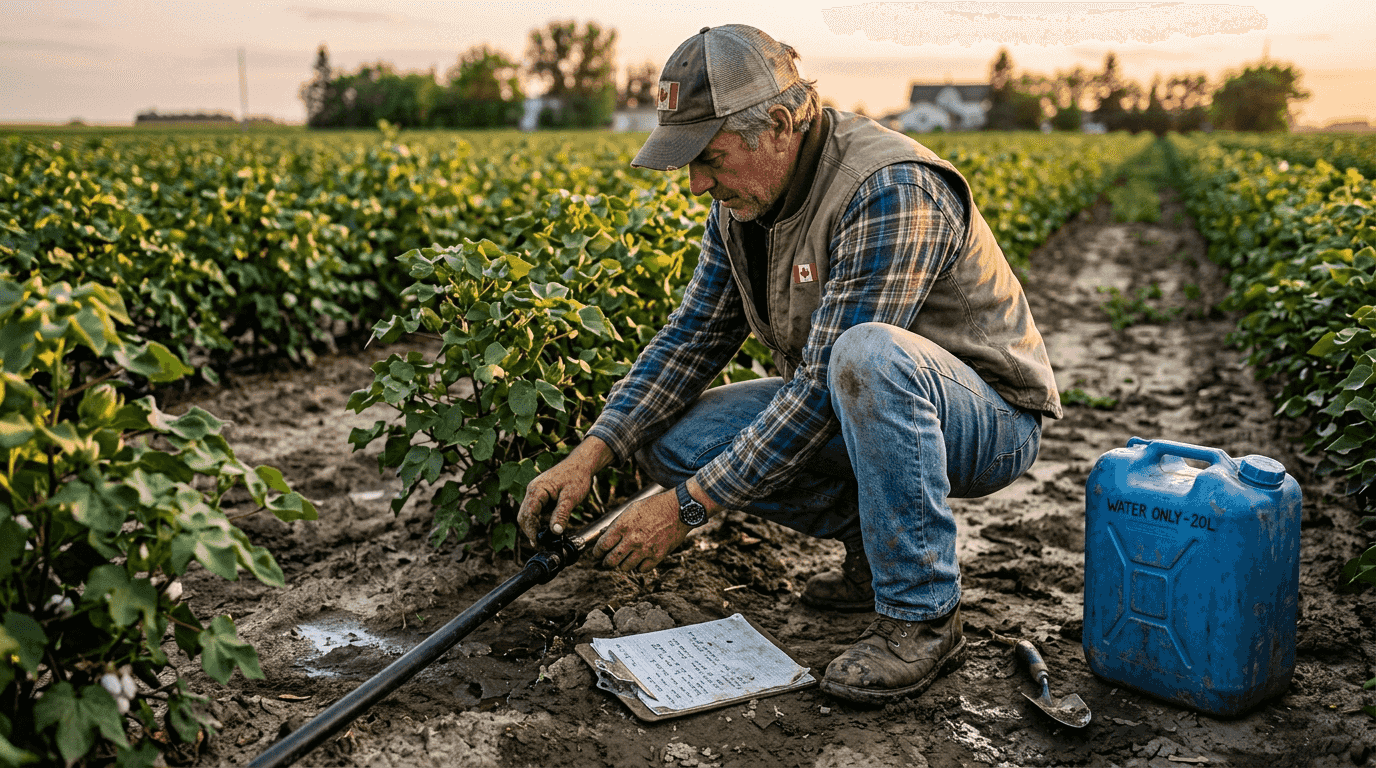
Sustainable fashion incorporates fair trade practices, sweatshop-free labour, eco-labelled materials, and designs built for durability. These core principles create a framework for evaluating whether a brand truly embraces sustainability or simply uses buzzwords to attract conscious consumers.
Key characteristics define authentic ethical fashion:
- Fair trade certification ensuring workers receive living wages and safe working conditions
- Sweatshop-free manufacturing that prohibits child labour and exploitative practices
- Recycled or organic materials with recognised eco-labels like GOTS or OEKO-TEX
- Timeless designs prioritising quality and longevity over disposable trends
- Transparent supply chains revealing where and how products are made
Ethical cotton sourcing exemplifies these principles by guaranteeing fair wages, safe conditions, and environmental stewardship without child or forced labour. Organic cotton farming eliminates toxic pesticides, preserves soil health, and reduces water consumption compared to conventional methods. These practices create better outcomes for farmers, communities, and ecosystems.
Sustainable fashion’s broader meaning encompasses the entire lifecycle from design through disposal. It considers how materials are sourced, energy consumed during manufacturing, transportation emissions, product durability, and end-of-life recyclability. Circular economy principles encourage brands to design garments that can be repaired, resold, or recycled rather than discarded.
Authentic ethical brands demonstrate commitment through third-party certifications, published supplier lists, and regular audits. They invest in worker training programmes, renewable energy for facilities, and innovative materials that reduce environmental impact. This comprehensive approach creates lasting positive change rather than superficial marketing claims.
Pro Tip: Research a brand’s certifications and transparency reports before purchasing. Genuine ethical brands readily share detailed information about their supply chains and manufacturing processes on their websites.
How ethical sourcing and production build trust and sustainability
Supply chain ethics directly influence brand reputation, consumer loyalty, and long-term business viability in today’s market. Ethical supply chains have become standard for brand longevity, consumer trust, and legal compliance as buyers demand accountability. Your purchasing power shapes industry standards when you support transparent, responsible brands.
Companies implementing ethical sourcing practices create multiple benefits:
- Protection of human rights through monitored working conditions and fair compensation
- Environmental safeguards preventing pollution and resource depletion
- Continuous compliance verification ensuring standards remain consistent over time
- Enhanced brand reputation attracting conscious consumers willing to pay premium prices
Brands with transparent ethical supply chains experience higher customer lifetime value and lower return rates because Gen Z and Millennial shoppers prioritise values alignment. These demographics research brands thoroughly, share information through social networks, and boycott companies with questionable practices. Your generation wields unprecedented influence over corporate behaviour through collective purchasing decisions.
Regional sourcing partnerships reduce transportation emissions whilst supporting local economies and renewable energy adoption. Choosing manufacturers closer to target markets cuts carbon footprints substantially compared to global shipping networks. Local production also enables better oversight of working conditions and quality control.
Compliance enforcement mechanisms ensure ethical standards persist beyond initial audits. Regular inspections, worker interviews, and third-party certifications create accountability structures preventing backsliding. Brands committed to genuine ethics invest in these ongoing verification systems rather than one-time assessments.
Reducing fashion’s emissions footprint requires supply chain transformation across sourcing, manufacturing, and distribution. Companies adopting comprehensive ethical practices position themselves for future regulatory requirements whilst capturing growing market segments of conscious consumers. Your support for these pioneers accelerates industry-wide change.
Pro Tip: Follow your favourite brands on social media to stay informed about their sustainability initiatives and supply chain improvements. Engaged consumers encourage companies to maintain transparency and continually enhance ethical practices.
Transparent communication about sourcing decisions, manufacturing partners, and improvement goals builds authentic relationships with customers. Brands sharing both successes and challenges demonstrate genuine commitment rather than performative marketing. This honesty creates trust that translates into customer retention and advocacy.
Innovations and regulations shaping ethical fashion’s future
Technological advancement and policy frameworks converge to accelerate fashion’s sustainability transformation. Digital technologies and automation improve transparency whilst reducing environmental impact, helping achieve net-zero goals through optimised resource use. These innovations make ethical fashion increasingly scalable and economically viable for mainstream adoption.
Material science breakthroughs create alternatives to resource-intensive conventional fabrics. Lab-grown leather, mushroom-based textiles, and recycled ocean plastics offer performance comparable to traditional materials with dramatically lower environmental costs. These innovations expand designers’ creative possibilities whilst shrinking ecological footprints.
Regulations like the EU’s Ecodesign for Sustainable Products and Digital Product Passport require disclosure of social and environmental impacts throughout product lifecycles. These mandates force transparency, making greenwashing legally risky and empowering consumers with verified information. Similar policies are emerging globally as governments recognise fashion’s environmental urgency.
| Innovation type | Impact on ethical fashion |
|---|---|
| Blockchain tracking | Creates immutable records of supply chain steps, verifying ethical claims and preventing fraud |
| AI optimisation | Reduces fabric waste through precise pattern cutting and demand forecasting |
| Sustainable materials | Offers eco-friendly alternatives like Tencel, hemp, and recycled polyester with lower footprints |
| Digital passports | Provides consumers with verified product origin, material composition, and care instructions |
Collaboration between industry stakeholders and policymakers drives systemic change faster than isolated efforts. Industry associations develop shared standards, governments create enforcement mechanisms, and NGOs provide independent verification. This multi-stakeholder approach addresses fashion’s complexity more effectively than any single entity could achieve.
Enhanced shopping workflows incorporating sustainability data help consumers make informed choices efficiently. Digital tools now aggregate ethical ratings, environmental impacts, and supply chain transparency into user-friendly interfaces. These innovations remove barriers that previously made conscious shopping time-consuming and confusing.
Artificial intelligence analyses vast datasets to identify supply chain risks, predict demand accurately, and optimise logistics routes. These capabilities reduce overproduction waste, minimise transportation emissions, and flag potential labour violations before they escalate. Technology transforms sustainability from aspirational goal into measurable, manageable objective.
Pro Tip: Look for QR codes on garment labels that link to digital product passports. These provide verified information about materials, manufacturing locations, and care instructions that extend product life.
Government incentives for sustainable practices alongside penalties for violations create economic motivations reinforcing ethical behaviour. Tax credits for renewable energy adoption, grants for material innovation research, and tariffs on high-emission production methods reshape industry economics. These policy tools make sustainability financially advantageous rather than purely values-driven.
Shop stylish ethical fashion at 16th Avenue
Now that you understand ethical fashion’s importance, discovering brands that deliver both style and sustainability becomes your next step. 16th Avenue curates fashionable pieces that honour your values without compromising your aesthetic preferences.
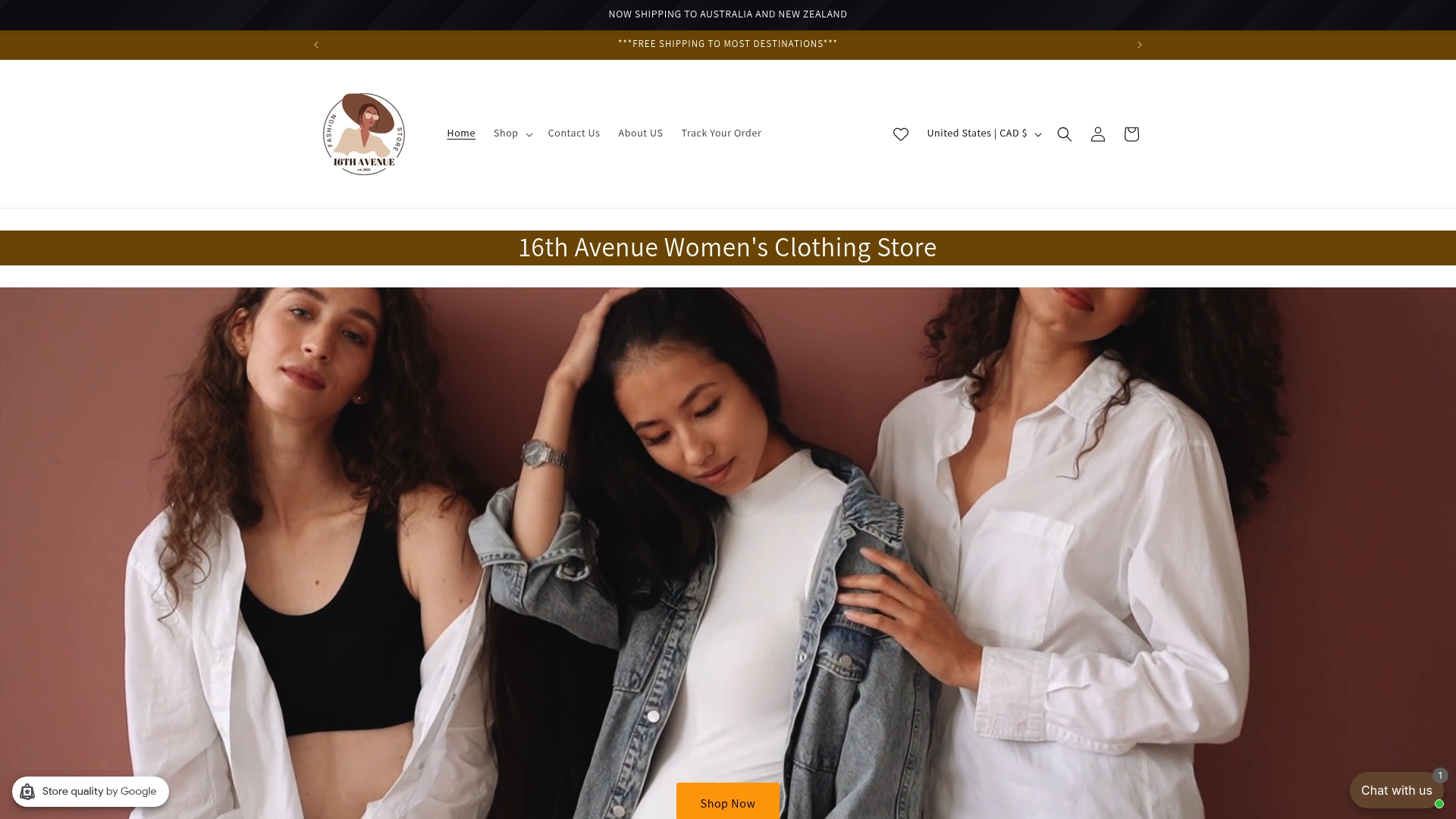
Explore our women’s trendy autumn and winter woollen coats that combine timeless elegance with quality construction built to last seasons. These pieces exemplify how ethical fashion delivers sophistication and durability simultaneously.
Discover fashion vintage designer genuine leather handbags that blend classic style with responsible sourcing. Each accessory reflects our commitment to offering products you’ll treasure for years.
Visit the 16th Avenue homepage to browse our complete collection of ethically conscious fashion and beauty products. Your style choices can create positive change whilst keeping you looking fabulous.
Frequently asked questions
What is the difference between ethical and sustainable fashion?
Ethical fashion prioritises fair labour practices, safe working conditions, and human rights throughout production. Sustainable fashion focuses primarily on environmental impacts like reducing emissions, conserving water, and minimising waste. Many brands now integrate both approaches, recognising that true responsibility addresses social justice and ecological health simultaneously.
How does ethical fashion reduce environmental harm?
Ethical fashion uses significantly less water and energy compared to conventional production methods. It avoids toxic chemicals that pollute waterways and harm ecosystems. Durable, recyclable materials extend product lifecycles, reducing landfill waste and the need for constant replacement purchases.
Why is supply chain transparency important in ethical fashion?
Transparency prevents hidden abuses like child labour, unsafe conditions, and environmental violations that occur in opaque supply chains. It builds consumer confidence by providing verifiable proof of ethical claims rather than unsubstantiated marketing. Transparent practices align with emerging regulations and meet growing buyer demands for accountability, protecting brands from reputational damage.
Can ethical fashion be stylish and affordable?
Ethical fashion offers diverse styles from classic elegance to cutting-edge trends, disproving outdated stereotypes about limited aesthetic options. Investing in quality pieces reduces long-term costs by eliminating frequent replacements that fast fashion requires. Brands increasingly make ethical options accessible across price points as sustainable practices scale and become more efficient.