


Business casual for women: definitions and outfit formulas
Business casual for women means a professional, intentional dress code that sits between formal suiting and everyday weekend wear. Think tailored trousers, structured tops, and closed-toe shoes rather than a full skirt suit, but also nowhere near leggings and a graphic tee.
Two examples to copy right now:
- Conservative office: tailored trousers, a silk-feel blouse, a blazer, and leather loafers.
- Relaxed office: dark straight-leg jeans, a silk-feel blouse, a structured cardigan, and polished flats.
Where you land on that spectrum depends on your industry and whether you’re facing clients that day. A law firm and a design studio don’t dress the same, even though both technically call it “business casual.”
Key Takeaways
Business casual for women works best when a small set of well-fitted, neutral pieces gets mixed into outfit formulas rather than treated as single-use event wear.
| Point | Details |
|---|---|
| Definition anchors the choices | Business casual sits between formal suiting and casual wear, built on tailored trousers, blouses, and closed-toe shoes. |
| Blazer is the fastest upgrade | A structured third piece shifts any outfit from casual to meeting-ready in seconds. |
| Denim has conditions | Dark, non-distressed jeans work in relaxed offices but stay risky in client-facing fields. |
| Observe mid-level staff | They’re the most reliable gauge for how far your office’s dress code actually stretches. |
| Shop the capsule, not the trend | 16thavenue’s coats and footwear categories fill the seasonal gaps in a five-piece capsule without a full wardrobe overhaul. |
Table of Contents
- What is business casual for women? The wardrobe essentials
- Business casual outfit ideas you can copy this week
- Shoes and accessories that keep a look professional
- Are jeans business casual? What the rules actually say
- Dressing for hybrid and Zoom-first days
- How your industry shapes the business casual spectrum
- Building a small business casual capsule
- Grooming and makeup that finish the look
- Making business casual feel like your own style
- Why simplicity wins in a business casual wardrobe
- How 16thavenue helps you build the capsule faster
- Sources
What is business casual for women? The wardrobe essentials
Every solid business casual wardrobe starts with a handful of pieces that do double or triple duty. Buy fewer, better items and skip the rest.
- A blazer. It’s the single most versatile piece you’ll own. Choose one in a neutral shade with enough structure to hold its shape after a full day of sitting and standing.
- A structured cardigan. Save this for offices where a blazer feels like overkill. It reads as polished without the corporate stiffness.
- Tailored trousers and midi skirts. Look for fabric with a bit of stretch so you’re not tugging at seams during a two-hour meeting.
- Blouses and knit shells. Opacity matters here. Hold any top up to a window before buying. If you can see your bra through it, it’s not office-ready.
- Midi dresses. One well-cut dress can replace two separate outfits and still photograph well on a video call.
Stick to neutrals (navy, black, camel, grey) as your base, then add one or two accent colours you actually like wearing. Fit should account for sitting at a desk, walking to transit, and standing in front of a room, all in the same outfit.
Pro Tip: A $20 alteration on a blazer’s sleeves or waist often does more for how “expensive” an outfit looks than buying a pricier piece that fits poorly.
Business casual outfit ideas you can copy this week
Formulas beat inspiration boards because you don’t have to think from scratch every morning. Here are ready-to-wear combinations sorted by the kind of day you’re having.
Client-facing or conservative days:
- Tailored trousers, a button-up blouse, a structured blazer, loafers
- Midi skirt, fitted knit shell, blazer, low pumps
- Sheath midi dress, blazer, pointed flats
Standard corporate days:
- Straight-leg trousers, silk-feel blouse, cardigan, ballet flats
- Wide-leg trousers, fitted tee, blazer draped over the chair, loafers
- Knit midi dress, belt, ankle boots
Creative or relaxed office days:
- Dark jeans, silk cami, oversized blazer, white sneakers
- Wide-leg trousers, graphic-free tee, statement earrings, mules
- Midi skirt, fitted turtleneck, chunky loafers
Hybrid or Zoom-first days:
- Blazer over a nice top, comfortable trousers you won’t see on camera
- Structured cardigan, collared shirt underneath, joggers off-camera
For fall and winter, swap the light cardigan for a wool blazer or add a slim turtleneck under blouses. In spring and summer, drop the blazer for a lightweight cardigan or a sleeveless shell with bare arms and a swap to open-toe flats where the office allows it.
Shoes and accessories that keep a look professional
Footwear and accessories are where a good outfit gets undermined fastest, so it pays to get this part right.
- Loafers and low pumps work in nearly every business casual setting.
- Ballet flats and pointed flats are safe, comfortable, and easy to walk long distances in.
- Ankle boots (not overly distressed or heavily hardware-laden) work well from fall through spring.
- Clean leather sneakers can pass in relaxed or creative offices, especially paired with tailored trousers instead of jeans.
- Minimal jewellery (small studs, a thin chain, one statement ring) reads as intentional rather than distracting.
- Structured bags signal polish faster than almost anything else you’re wearing, according to stylists who evaluate business casual by fit, fabric, and accessory choices.
Skip flip-flops, worn-out running shoes, oversized backpacks, and anything with visible wear at the toe or heel. For fit guidance on matching shoes to specific outfits, a complete footwear guide can help you narrow down options by silhouette.
Pro Tip: Keep one pair of “meeting shoes” at your desk if you commute in sneakers or boots. It saves you from ever being caught underdressed for a surprise client call.
Are jeans business casual? What the rules actually say
Dark-wash, non-distressed denim can work in relaxed or creative offices, but it’s generally discouraged in more traditional, client-facing fields like law, finance, or consulting. Distressed or ripped denim is off-limits almost everywhere business casual applies.
To make jeans read professional:
- Pair dark straight-leg or wide-leg denim with a structured blouse, not a t-shirt.
- Add a blazer to instantly formalize the look.
- Finish with loafers or heeled boots, never sneakers with visible logos or bright colours.
If you’re unsure, watch what senior colleagues wear on casual days before assuming jeans are fine every day.
Dressing for hybrid and Zoom-first days
Camera-facing days call for different priorities than in-office ones. Collars, scarves, and simple necklaces read well on video and add polish without needing a full outfit change below the frame.
- Keep a blazer or structured cardigan at your desk for meetings that pop up unexpectedly.
- Choose comfortable bottoms (ponte trousers, structured joggers) that still look neat from the waist up.
- Do a 30-second checklist before any client call: shirt collar straight, hair tidy, background clear, blazer within reach.
A practical style workflow for hybrid weeks can help you plan outfits that survive both the commute and the camera without a mid-morning wardrobe scramble.
How your industry shapes the business casual spectrum
Business casual isn’t one fixed rulebook. It shifts by industry, seniority, and office culture, which is why the same outfit can be perfectly fine in one building and slightly too casual in another.
- Conservative fields (law, finance, insurance): stick closer to blazers, tailored trousers, and closed-toe shoes most days.
- Standard corporate offices (marketing, healthcare admin, general business): blouses, midi skirts, and knit dresses without a blazer are usually fine.
- Relaxed creative or tech offices: dark jeans, sneakers, and layered knits often pass without comment.
The most reliable gauge isn’t your peers, it’s mid-level staff, the people who’ve been there long enough to understand unwritten norms but aren’t senior enough to have special exceptions. If you’re new, wear a slightly more polished version of what you observe for your first two weeks, then adjust down once you’ve confirmed the real ceiling.
Building a small business casual capsule
A compact capsule beats a packed closet because fewer, better pieces mix into more outfits. Stylists commonly recommend a core five-piece capsule: a blazer, a button-up, tailored trousers or dark jeans, a lightweight knit, and leather loafers.
Build from there with:
- One midi dress in a neutral shade
- One structured bag that works with everything
- One fine-knit sweater for layering
Stick to two or three coordinating neutrals so pieces mix freely, and keep one accent colour for variety. A quick tailoring checklist before you wear anything new: hem length hits mid-calf or higher on skirts, sleeves end at the wrist bone, and trousers break cleanly over the shoe.
| Capsule piece | Why it earns a spot |
|---|---|
| Blazer | Instantly formalizes jeans, dresses, or trousers |
| Tailored trousers | Comfortable for sitting and presenting all day |
| Button-up blouse | Layers under blazers or wears alone |
| Midi dress | One purchase replaces a full outfit |
| Leather loafers | Works across nearly every industry level |
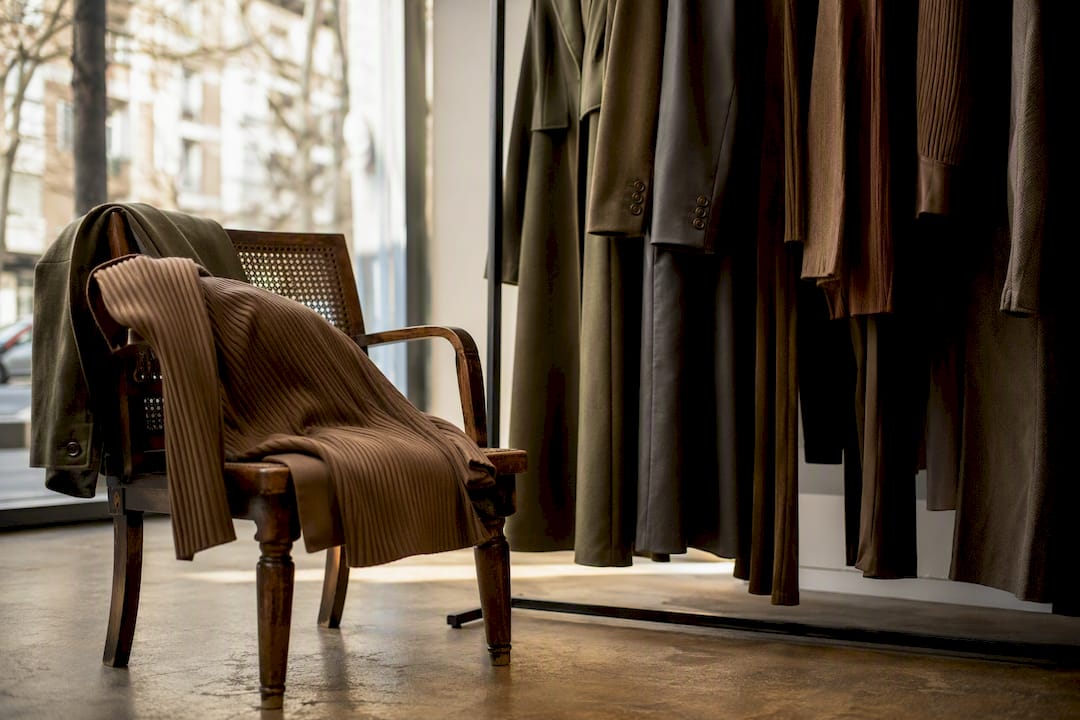
For a step-by-step approach to narrowing your closet down to pieces you’ll actually wear, this capsule wardrobe guide walks through the process, and this piece on why a smaller wardrobe works explains the bigger case for going compact.
Grooming and makeup that finish the look
Grooming does more heavy lifting for a business casual look than most women expect, largely because it’s the first thing people notice before they even register your outfit. Hair that’s clean and controlled (whether that’s sleek, a simple bun, or soft waves) reads as put-together even with a basic sweater and trousers.
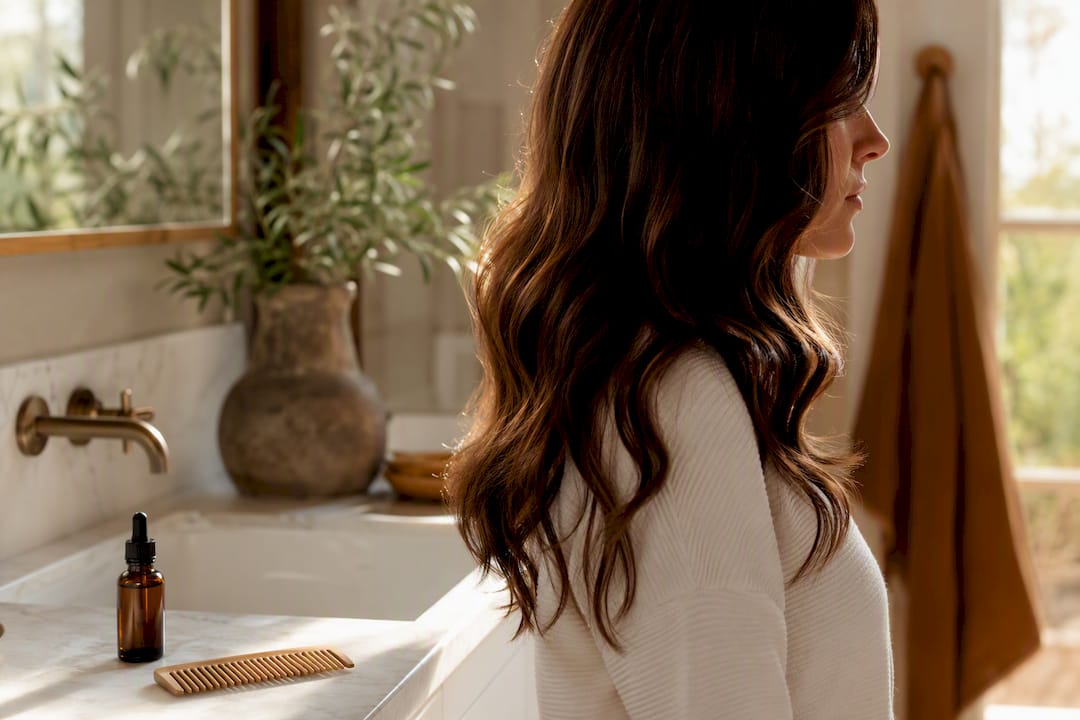
Makeup for business casual generally works best understated: a base that evens skin tone, filled-in brows, a bit of colour on the lips or cheeks, and mascara if you wear it. Skip anything that requires touch-ups every two hours, since meetings rarely leave time for a mirror check. A tinted lip balm or a long-wear lip stain holds up through coffee, lunch, and a full afternoon of talking far better than a gloss that needs reapplying.
Nails matter more than people admit, particularly if your job involves handshakes, presentations, or passing documents across a table. A clean, short manicure in a neutral or soft shade always reads as professional; chipped polish undercuts an otherwise sharp outfit faster than almost anything else.
Fragrance is worth getting right too, since a scent that’s too strong in a small conference room becomes a distraction rather than a finishing touch. A guide to subtle workplace-appropriate fragrance is worth a look if you’re choosing a signature scent for the office specifically, as office-friendly fragrance behaves differently than something meant for evenings out.
Making business casual feel like your own style
The goal isn’t a uniform. It’s finding where your personality can show up without pulling focus from your work. Colour is the easiest lever: if navy and black feel flat on you, swap in burgundy, forest green, or camel as your base neutral instead. Nobody will flag it as unprofessional, but it’ll feel distinctly yours.
Texture is the second lever, and it’s underused. A ribbed knit instead of a flat jersey top, a slightly wider-leg trouser instead of straight-cut, a textured blazer instead of smooth wool. All of it stays within business casual boundaries while giving your outfit a point of view.
Jewellery is where most women either overdo it or ignore it completely. One statement piece, whether that’s a bold ring, a pair of sculptural earrings, or a single layered necklace, does more for personal style than five small pieces stacked together. Keep the rest of the outfit quiet so that one piece can actually register.
The safest way to test how far you can push personalization is the same test used for gauging office norms generally: watch what the most stylish person on your team gets away with, then adjust from there. If she wears bold colour on Mondays and nobody blinks, you likely have more room than you think.
Why simplicity wins in a business casual wardrobe
The advice that gets repeated most often, buy a blazer, buy trousers, buy loafers, sounds obvious until you actually watch what most women’s closets look like: full of pieces bought for a specific event and worn once. Simplicity isn’t the boring option here. It’s the version that survives a long week without you having to think at 7 a.m.
Curating a smaller, well-fitted selection matters more than chasing trends, because fit is what makes an outfit look expensive regardless of price tag. If you only fix one thing this year, get a single blazer tailored properly. It’ll outperform three new tops.
How 16thavenue helps you build the capsule faster
Putting a business casual capsule together from scratch takes time most workweeks don’t leave room for. 16thavenue stocks the layering pieces that make that faster, so you’re shopping a short list instead of scrolling endlessly across a dozen sites.
For the colder months, a well-cut woolen coat works as the outer layer over blazers and knits on the coldest commute days, extending your capsule into fall and winter without needing a separate cold-weather wardrobe. If your office leans relaxed, the comfort sneakers offer a low-profile option for creative or hybrid settings where closed-toe flats feel like overkill but bare sneakers feel too casual. Browse by category to build your five core pieces around what’s already in your closet, then fill gaps one item at a time rather than overhauling everything at once. Start with the coat or the shoes, whichever solves your most immediate gap, and build outward from there.
Sources
- Guide to business casual for women (Corporette)
- What is business casual: 5-piece capsule (Who What Wear, 2026)