


What is the role of style guides for online fashion shoppers?
The role of style guides for shoppers is simple: they turn a single product photo into a full outfit you can picture on yourself, then hand you the links to buy it. A good lookbook does three jobs in order: it inspires you, it shows you how pieces actually combine, and it shortens the walk from “I like this” to “add to cart.”
- Visualisation: you see the coat, the sneaker, and the bag together, not guessed at separately.
- Outfit building: the guide does the pairing math so you don’t have to.
- Buying confidence: clear links, sizing notes, and pricing remove the last hesitation.
Research backs this up. A 2025 Journal of Interactive Marketing study found realism and vividness in lookbook photography are the strongest predictors of how useful shoppers rate a guide, and personalised, styled shopping experiences tend to lift order value in the range independent analysts like McKinsey point to. 16thavenue’s own collections work the same way, pairing photography with direct product links so a look you scroll past becomes a look you can actually own.
Key Takeaways
The role of style guides is to translate styled inspiration into wearable, purchasable outfits by combining realistic imagery, clear fit information, and direct shoppable links.
| Point | Details |
|---|---|
| Realism drives usefulness | Lifestyle photos with real settings outperform staged studio shots for helping you picture the outfit on yourself. |
| Check for shoppability | A useful lookbook links straight to a product page with live price and stock, not just a homepage. |
| Build from a hero piece | Anchor every outfit around one standout item, then substitute supporting pieces within the same proportion. |
| Save looks before you lose them | Screenshot, wishlist, or cart-bundle a look immediately so styling ideas don’t disappear into your camera roll. |
| 16thavenue as an example | 16thavenue pairs seasonal collections with styling guides and direct product links, like the woolen coat and comfort sneaker featured above. |
Table of Contents
- What is a fashion style guide, and why should shoppers care?
- What makes a style guide actually useful?
- How do you turn a lookbook into an outfit you’ll actually wear?
- Five outfit recipes you can copy or adapt today
- Where do you find shoppable lookbooks, and how do you know they’re usable?
- Sources
What is a fashion style guide, and why should shoppers care?
A fashion style guide, or lookbook, is a curated set of outfit images built to show how individual clothing and accessory pieces work as a whole look, not a catalogue of items shot in isolation — see examples in the Style Catalog | StyleMyCrown. That’s the only meaning that matters here. This has nothing to do with brand tone-of-voice documents or design rulebooks used by writers and marketers. For a shopper, it’s a visual shortcut: instead of imagining how a blazer pairs with a skirt, you see it done.
The Journal of Interactive Marketing research found realism and vividness were the two factors that predicted usefulness ratings more than anything else. A staged, obviously artificial photo doesn’t help you nearly as much as a shot that looks like a real person wearing real clothes in a real setting.
Lookbooks show up in a few formats, and each suits a different shopping moment:
- Digital shoppable pages — tap a hotspot, land on the product, buy in seconds.
- Downloadable PDFs or flipbooks — good for browsing offline or saving a whole seasonal edit.
- Printed seasonal lookbooks — still used for in-store or gifted campaigns, though they can’t link directly to checkout.
What makes a style guide actually useful?
Plenty of lookbooks look pretty and do nothing for you. The useful ones share a specific set of features, and once you know what to check for, you can tell in about five seconds whether a guide is worth your time.
- Realistic lifestyle imagery — outfits shown on real bodies, in real settings, not overly staged studio shots.
- Clear sequencing — outfits presented as complete looks, layer by layer, not scattered product tiles.
- Obvious shoppable links — tappable hotspots or “shop this look” buttons, not a guessing game.
- Size and fit notes — fabric weight, stretch, and true-to-size guidance next to the image.
- Pricing and availability shown near the photo — no clicking through five pages to find out it’s sold out.
- Diverse models and inclusive sizing information — so you can actually judge fit on a body shaped like yours.
Pro Tip: If a lookbook only shows one body type in one lighting setup, treat the outfit as a rough idea rather than a promise of how it’ll look on you. The research is clear that realism drives usefulness, so the more varied and lifelike the imagery, the more you can trust it.
One more practical filter: check the guide on your phone. Shopify’s merchant guidance on lookbooks stresses inventory sync and hotspot tools precisely because most shoppers browse on mobile, and a slow-loading gallery kills the whole point of instant inspiration.
How do you turn a lookbook into an outfit you’ll actually wear?
Scrolling a lookbook is the easy part. Getting from “I love this” to wearing it out the door takes a few deliberate steps.
- Identify the hero piece — the one item the whole outfit is built around, usually the coat, dress, or standout accessory.
- Check the fit notes — read fabric, stretch, and true-to-size details before you fall for the styling.
- Map it to your existing wardrobe — see what you already own that could sub in for one or two pieces.
- Substitute within the same proportion and colour family — swap a fitted blazer for a fitted blazer, not a boxy one, if you’re working with what’s in your closet.
- Confirm price and stock — Publitas’s ecommerce guidance notes that friction between inspiration and the product page is exactly what kills conversion, so don’t let a dead link or “sold out” surprise you at checkout.
- Save it before you lose it — wishlist the pieces or bundle them in your cart so the look doesn’t disappear into your camera roll.
Pro Tip: Measure your own shoulder width and inseam once and keep them in your phone notes. It turns “true to size” into a real comparison instead of a guess, and it’s the fastest way to cut return rates on anything ordered from a lookbook photo.
Pro Tip: Use the “rule of thirds” for proportion swaps: if the original look pairs a cropped top with a high-rise bottom, keep that same 1/3 to 2/3 visual split even if you change the actual pieces. Break the proportion and the whole outfit reads differently, even with great individual items.
A simple habit that pays off: screenshot the look, jot one line about why it worked (colour combo, silhouette, occasion), and file it by season. Stylitics’s platform research on shoppable lookbooks found that outfit-level tracking, even the DIY version on your own phone, helps you notice which styling formulas you reach for again and again.
Five outfit recipes you can copy or adapt today
These are built the way a good lookbook sequences a look: hero piece first, then the supporting cast.
- Coffee run, elevated: wool coat, straight-leg denim, low wedge sneaker. Add a structured crossbody and a tinted lip balm. Swap the coat for a cropped puffer in warmer weather.
- Office to dinner: blazer dress, ankle boot, thin gold hoops. Swap the boot for a pointed flat if you’re on your feet all day, and layer a cream trench over top for the commute.
- Weekend errands: oversized knit, wide-leg trouser, breathable sneaker. Swap the knit for a fitted turtleneck if you want a sleeker line, and add a bold cat-eye liner for a quick mood lift.
- Date night: slip dress, leather jacket, strappy heel. Swap the heel for a platform sneaker for comfort without losing the edge, and finish with a deep berry lip.
- Travel day: matching knit set, sneaker, oversized tote. Swap the knit top for a button-down if you run warm on planes, and keep beauty simple: tinted moisturizer and a lip oil for touch-ups.
Every one of these follows the same logic a strong lookbook uses: one hero piece, two or three supporting items, and a beauty note that finishes the look without overcomplicating it.
Where do you find shoppable lookbooks, and how do you know they’re usable?
Shoppable lookbooks show up in more places than most shoppers realize:
- Brand homepages and dedicated collection pages
- Email campaigns built around a seasonal drop
- Social posts with tagged products
- Downloadable PDF or flipbook lookbooks
- In-app galleries on a retailer’s own storefront
16thavenue’s seasonal collection guidance is a live example worth checking, since it walks through how curated seasonal edits get structured before they ever reach a shopper’s screen.
Pro Tip: Before you trust a lookbook, tap one product photo. If it lands you straight on a product page with live pricing and stock status, the whole guide is probably built to Publitas and Shopify’s shoppability standards. If it just links to a generic homepage, you’re looking at inspiration only, not a real shopping tool.
Why realistic style guides feel more useful
I’ve always preferred lookbooks that show a coat wrinkled from a real walk outside over one shot flawlessly in a studio. That’s not sentimentality, it matches what the research on realism and vividness actually found. It’s also why 16thavenue’s own step-by-step styling guide leans on lifestyle photography and concrete outfit recipes rather than abstract trend talk.
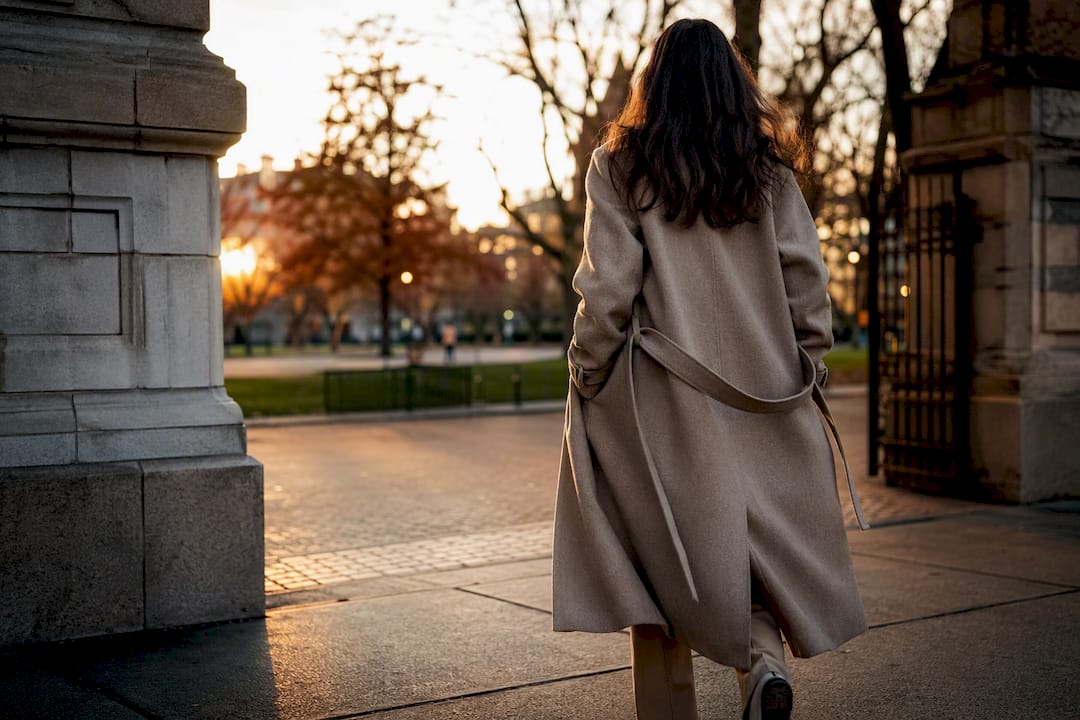
Try our curated collections and shop the looks
Reading about outfit recipes is one thing. Actually building one from pieces that are in stock, sized clearly, and ready to ship is another, and that’s exactly what 16thavenue’s collections are built for.
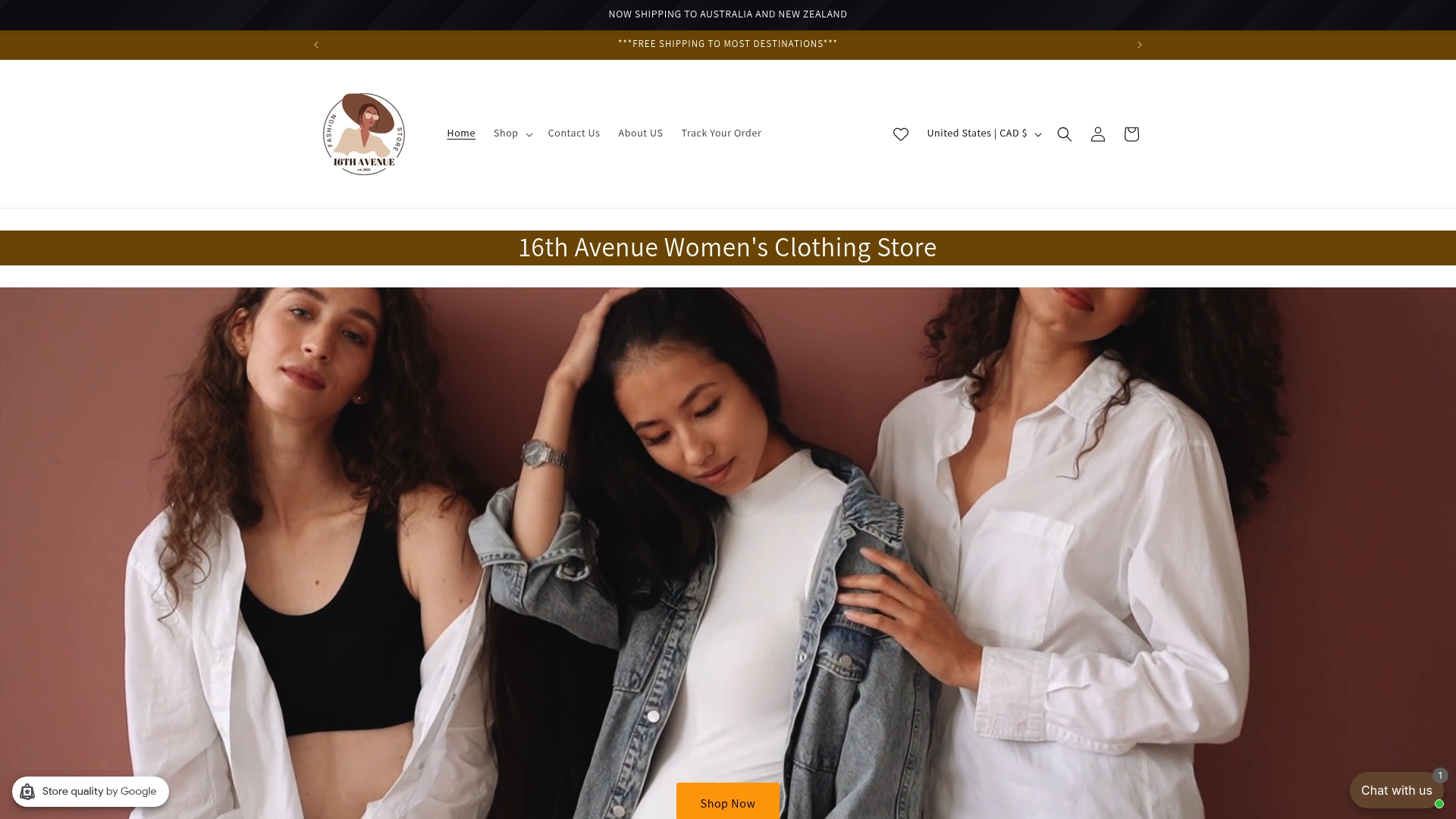
Take the first recipe above: a wool coat is the hero piece, and 16thavenue’s women’s trendy autumn and winter woolen coat is the kind of piece that anchors a dozen different looks across a season. Pair it with the low wedge comfort sneakers for the coffee-run look above, and you’ve got two shoppable pieces instead of a Pinterest board full of dead ends. Browse the current collections, check the fit notes on each product page, and add what fits your wardrobe straight to your cart.
Sources
- Beyond static images: how interactivity and vividness shape perceived usefulness
- Lookbooks: how to use high-quality lifestyle photos to boost sales
- How to create a lookbook for ecommerce: strategy & UX
- Digital lookbook strategy: how to drive sales from first tap to checkout