


How to select seasonal collections in 2026: 52% of brands use micro-seasons
Choosing the right seasonal pieces feels overwhelming when fashion brands release new collections every few weeks instead of every season. In 2026, over half of fashion brands have shifted from four traditional seasons to 10-15 micro-season drops annually, making it harder to keep up without overspending. This guide walks you through selecting trendy, affordable, and sustainable seasonal collections that work with your lifestyle and budget, helping you build a versatile wardrobe aligned with current micro-seasonal cycles.
Table of Contents
- Understanding Micro-Seasonal Collection Cycles In 2026
- Incorporating Sustainability When Selecting Seasonal Collections
- Step-By-Step Guide To Selecting Versatile And Trendy Seasonal Collections
- Common Mistakes And How To Troubleshoot Seasonal Collection Selection
- Measuring Success: Outcome Benchmarks For Your Seasonal Collections
- Styling Techniques That Extend Usability Of Seasonal Collections
- Discover 16Th Avenue’s Curated 2026 Seasonal Collections
- Frequently Asked Questions
Key takeaways
| Point | Details |
|---|---|
| Micro-seasons replace traditional calendar | Fashion brands now release 10-15 collections per year instead of four seasonal drops. |
| Sustainability certifications matter | Look for OEKO-TEX and Global Recycle Standard labels to identify eco-friendly seasonal pieces. |
| Prioritize versatile staples | Choose multifunctional items and layering pieces to maximize outfit combinations and cost-per-wear. |
| Small-batch purchasing reduces risk | Buy fewer pieces more frequently to stay current without overbuying fleeting trends. |
| Styling extends wardrobe utility | Use layering, color blocking, and bold accents to refresh looks without extra spending. |
Understanding micro-seasonal collection cycles in 2026
The traditional spring, summer, fall, and winter calendar no longer dictates fashion releases. Today, 52% of fashion brands now release new collections every two weeks, creating 10 to 15 micro-seasons annually. This shift means trends change faster, and collections refresh more frequently than ever before.
Micro-seasons benefit you by offering smaller, more focused collections that respond quickly to emerging trends. Brands can test styles rapidly and restock popular items without waiting months. You get access to fresh designs aligned with current preferences, but you need to adjust your shopping timing accordingly.
To stay ahead, align your purchases with micro-season release dates. Most brands drop new collections every three to four weeks, so planning your shopping frequency around these cycles helps you capture trending pieces before they sell out. Understanding seasonal collection importance gives you the foundation to shop smarter.
Key benefits of micro-seasonal shopping:
- Smaller collections mean less commitment to single trends
- Faster replenishment keeps your wardrobe current
- More agility to adapt to your evolving style preferences
- Reduced risk of buying outdated pieces
Pro Tip: Set calendar reminders for your favorite brands’ typical release cycles, usually every 3-4 weeks. This helps you plan purchases strategically instead of impulse shopping whenever you see something new.
Incorporating sustainability when selecting seasonal collections
Sustainable fashion moved from niche to mainstream in 2026. The sustainable fashion market is growing at a 10.3% CAGR, with eco-materials like recycled polyester and organic cotton achieving higher sell-through rates than conventional fabrics. This growth reflects increasing consumer demand for environmentally responsible fashion choices.
When selecting seasonal pieces, look for eco-certifications such as OEKO-TEX and Global Recycle Standard that verify sustainable production practices. These labels guarantee textiles meet strict environmental and social standards, giving you confidence in your purchases. Certified pieces often feature better quality construction, which extends their lifespan and improves value.
“The sustainable fashion market is growing at a 10.3% CAGR, with eco-materials like recycled polyester and organic cotton achieving higher sell-through rates.”
Sustainability considerations should balance three factors: style appeal, affordability, and environmental responsibility. You don’t need to sacrifice trendiness for eco-consciousness. Many brands now offer stylish seasonal pieces made from sustainable materials at competitive prices.
What to look for in sustainable seasonal fashion:
- OEKO-TEX certification for textile safety
- Global Recycle Standard for recycled content verification
- Organic cotton or recycled polyester fabric composition
- Transparent supply chain information from brands
Exploring sustainability considerations in fashion helps you make informed choices that align with your values while staying stylish.
Step-by-step guide to selecting versatile and trendy seasonal collections
Building a functional seasonal wardrobe requires a systematic approach. Follow these steps to select pieces that work across multiple occasions and micro-seasons.
1. Track micro-seasonal release calendars
Monitor when your favorite brands typically drop new collections. Most follow predictable three to four week cycles. Shopping at the right time ensures you access the freshest styles before popular items sell out.
2. Prioritize versatile staple categories
Successful seasonal fashion selection prioritizes versatile categories such as lightweight outerwear, athleisure, and multifunctional basics that work across multiple micro-seasons. These pieces form your wardrobe foundation.
- Lightweight jackets that layer over different outfits
- Athleisure pieces that transition from gym to casual settings
- Neutral basics that pair with statement items
- Transitional pieces suitable for temperature fluctuations
3. Choose sustainable, certified materials
Verify pieces carry recognized eco-certifications. This step ensures your purchases support responsible production while maintaining quality standards.
4. Apply styling techniques for multifunctionality
Select items that work with various styling approaches. Look for pieces that accommodate layering, color blocking, and mixing with both bold and pastel palettes. This flexibility maximizes outfit combinations from fewer items.
5. Buy in small batches and replenish quickly
Small-batch seasonal orders and quick replenishment cycles reduce inventory risk and better align with fast-changing consumer preferences. Purchase fewer pieces per shopping trip, then return in three to four weeks for the next micro-season drop.
| Shopping Approach | Purchase Frequency | Items Per Trip | Trend Alignment | Budget Control |
|---|---|---|---|---|
| Traditional seasonal | 4 times per year | 15-20 pieces | Low | Difficult |
| Micro-seasonal small-batch | 10-15 times per year | 3-5 pieces | High | Excellent |
For shopping trendy seasonal pieces, focus on items that bridge multiple micro-seasons. Check versatility tips for seasonal fashion to maximize your wardrobe potential.
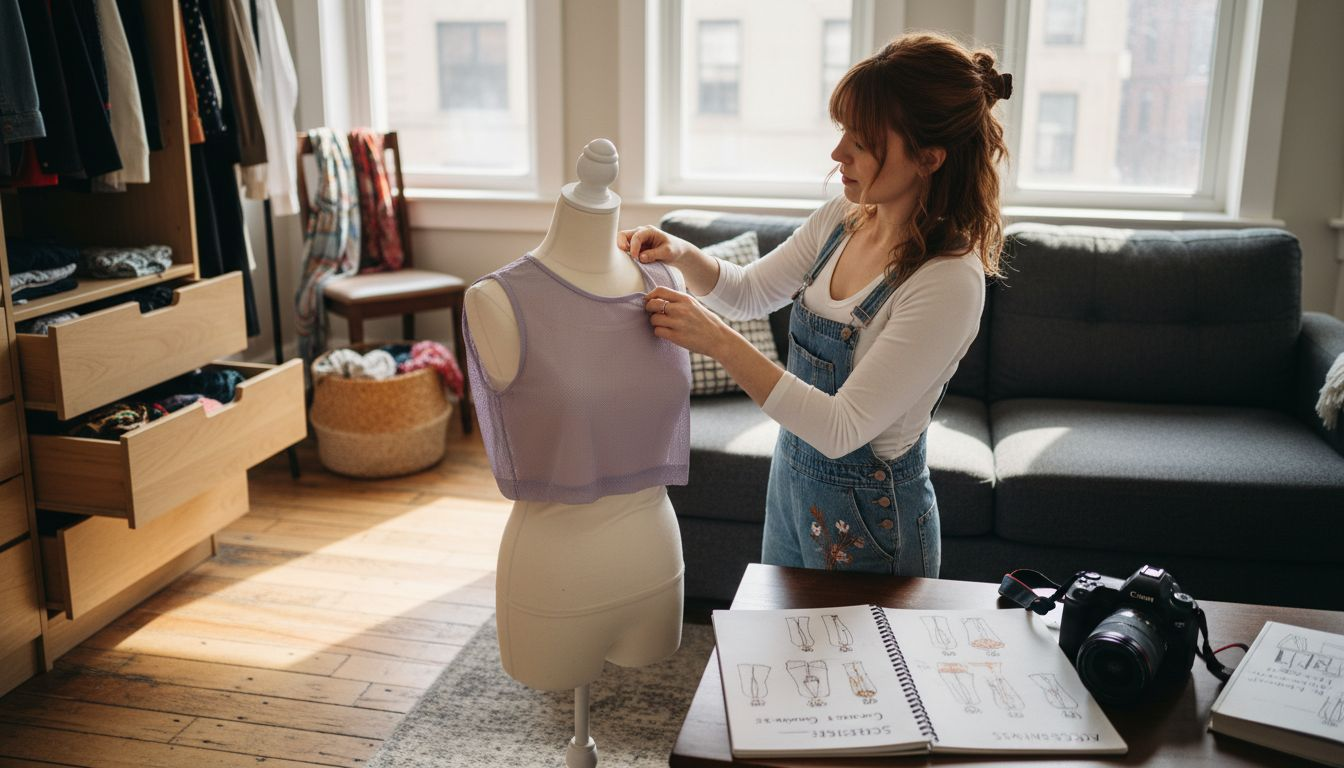
Pro Tip: Layer sheer or mesh tops over camisoles or fitted tees to create dimension and extend wearability across temperature changes. This simple technique doubles your outfit options.
Common mistakes and how to troubleshoot seasonal collection selection
Even informed shoppers make errors when navigating micro-seasonal fashion. Avoiding these pitfalls protects your budget and wardrobe functionality.
Common consumer mistakes include overbuying short-lived trendy items, ignoring eco-certifications, and neglecting layering, which lowers cost-per-wear and versatility. These errors lead to closets full of unworn clothes and wasted money.
Top mistakes to avoid:
- Purchasing too many ultra-trendy pieces with limited styling options
- Skipping sustainability certification checks when selecting items
- Buying pieces that don’t layer well with existing wardrobe
- Ignoring fabric quality in favor of low prices
- Shopping without a plan during every new collection drop
When you overbuy fast fashion trends, you end up with items that feel dated within weeks. Instead, balance trendy statement pieces with versatile basics that anchor multiple outfits. Always verify eco-certifications to ensure your purchases meet environmental standards.
“Failure to consider transitional layering and multifunctional garments leads to mismatched wardrobes and higher wardrobe fatigue.”
Failure to consider transitional layering and multifunctional garments creates disconnected wardrobes where pieces don’t work together. Prioritize items that layer easily and complement your existing collection.
For guidance on avoiding fashion pitfalls, focus on building cohesive outfits. Learn solutions for layering mistakes and understand fast fashion pitfalls to make smarter choices.
Measuring success: outcome benchmarks for your seasonal collections
Objective metrics help you evaluate whether your seasonal collection choices deliver value. Track these benchmarks to confirm you’re building an effective wardrobe.
Versatility metric: Count how many complete outfits you can create from your seasonal purchases. Aim for at least five distinct looks per new piece. Higher numbers indicate better investment value.
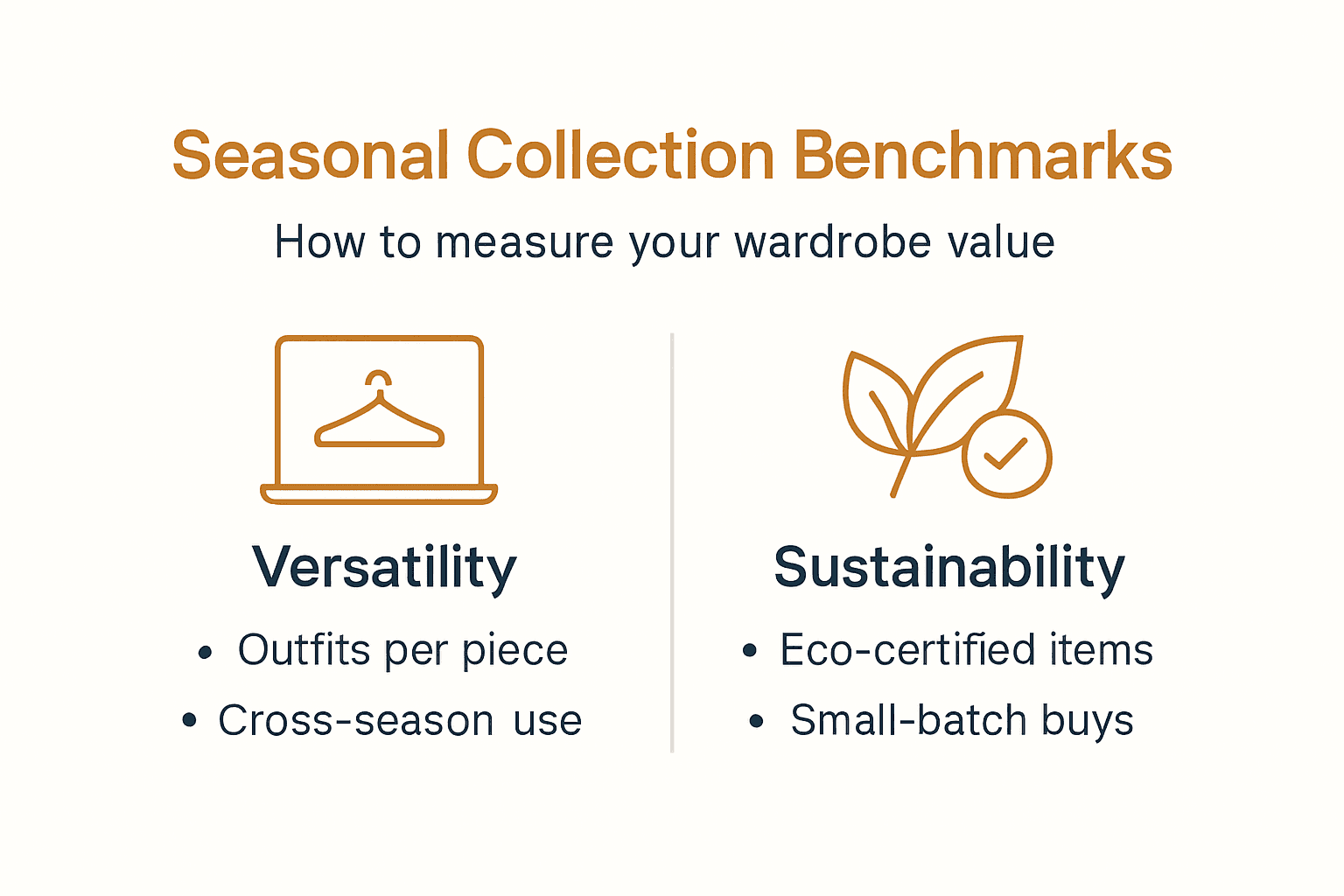
Sustainability percentage: Calculate what portion of your seasonal wardrobe carries verified eco-certifications. Target at least 40% certified pieces to meaningfully reduce environmental impact.
Cross-season wearability: Track how many micro-seasons each piece remains in rotation. Items worn across three or more micro-seasons demonstrate excellent adaptability and justify their cost.
Trend-classic balance: Maintain roughly 30% trendy statement pieces and 70% classic versatile items. This ratio keeps your style current while ensuring long-term wearability.
| Benchmark | Target Value | Measurement Method |
|---|---|---|
| Outfits per piece | 5+ combinations | Count outfit variations |
| Sustainability rate | 40%+ certified | Track certification labels |
| Micro-seasons worn | 3+ cycles | Monitor wearing frequency |
| Trend-classic ratio | 30:70 split | Categorize wardrobe items |
Review your 2026 style benchmarks quarterly to ensure your selections align with both current trends and personal style goals.
Styling techniques that extend usability of seasonal collections
Smart styling multiplies your wardrobe options without additional purchases. These 2026 techniques help you refresh looks and maximize existing pieces.
Layering sheer or mesh tops and combining pastels with crisp whites or light denim enhance seasonal wardrobe versatility. Sheer layers add visual interest while providing temperature adjustment options.
Color blocking with bold hues paired against pastels creates fresh combinations from familiar pieces. This technique works especially well with neutral basics, transforming them into statement outfits.
Effective styling techniques for 2026:
- Layer mesh or sheer tops over solid camisoles for dimension
- Pair pastel pieces with crisp white bottoms or light denim
- Use animal prints like zebra or snake as affordable statement accessories
- Mix warm and cool tones through color blocking for visual impact
- Add bold jewelry or bags to refresh neutral outfits
Animal prints offer an accessible way to incorporate trends without committing to bold garments. Zebra and snake patterns work as accent pieces that update classic looks. These prints transition easily between micro-seasons, maintaining relevance longer than some fashion-forward colors.
Explore styling seasonal collections for detailed outfit formulas that maximize versatility.
Discover 16th Avenue’s curated 2026 seasonal collections
Applying these seasonal selection principles becomes easier when you shop collections designed with micro-seasonal trends, sustainability, and versatility in mind. 16th Avenue curates affordable fashion aligned with 2026’s rapid release cycles and eco-conscious standards.
Our seasonal collections feature sustainable materials with recognized certifications, supporting your commitment to responsible fashion. You’ll find multifunctional pieces perfect for layering and styling across multiple micro-seasons, maximizing your investment.
Every piece balances current trends with timeless versatility, helping you build a wardrobe that stays fresh without constant overhaul. Affordable pricing lets you embrace small-batch purchasing strategies that align with micro-seasonal cycles.
Explore 2026 fashion trends to see how current styles translate into wearable pieces. Shop stylish woolen coats perfect for transitional weather, and access expert fashion tips that complement your seasonal selections. Visit 16thavenue.ca to start upgrading your wardrobe with smart seasonal choices.
Frequently asked questions
How often do fashion micro-seasons refresh in 2026?
Micro-season releases occur approximately every three to four weeks, resulting in 10 to 15 collection drops annually instead of the traditional four seasonal releases. This rapid cycle means you should plan shopping trips every month to capture trending pieces while they’re available. Aligning your purchase timing with these frequent refreshes helps you stay current without missing popular items. Learn more about seasonal collections and their impact on shopping habits.
What certifications should I look for to identify sustainable seasonal fashion?
Look for OEKO-TEX and Global Recycle Standard certifications when selecting eco-friendly seasonal pieces. OEKO-TEX verifies textiles meet strict safety and environmental standards, while GRS confirms recycled content authenticity. These certifications signal verified sustainable production practices important for ethical purchasing decisions. Dive deeper into sustainable fashion to understand certification importance.
How can I balance trendy seasonal pieces with affordability?
Prioritize versatile basics and multifunctional items that layer easily to maximize outfit variety from fewer purchases. Shop in small batches every three to four weeks rather than buying large quantities at once, which helps you adapt to trends without overspending on pieces that quickly feel dated. Use styling techniques like color blocking and layering to refresh existing items affordably. Check budget-friendly fashion tips for more strategies.
What are the benefits of small-batch purchasing for seasonal collections?
Small-batch orders reduce inventory risk and allow quick adjustments to fast-changing 2026 style trends. This approach minimizes overspending on fleeting trends while maintaining a fresh, current wardrobe. Buying three to five pieces per shopping trip instead of 15 to 20 quarterly gives you flexibility to pivot as micro-seasons evolve. You avoid closet clutter and buyer’s remorse from trend pieces that lose appeal quickly.
Recommended
- What Is Seasonal Collection and Why It Matters – 16th Avenue
- Fashion Trends Guide 2026: Upgrade Your Wardrobe Easily – 16th Avenue
- Pick Trendy Shoes 2026: 30% Fewer Returns & More Comfort – 16th Avenue
- Trends in Women’s Fashion 2026 – Impact on Everyday Style – 16th Avenue
- Skincare Trends 2026: Innovations for Demanding Skin | cosmadic
- Marketing Guide: Essential Strategies for Success in 2026 - Aim Set Win