


Why layer clothing for versatile and stylish outfits
Many women believe a single thick coat provides the best warmth during cold weather, but this common assumption misses a crucial insight. Layering multiple thin garments actually delivers superior temperature control, moisture management, and style flexibility compared to one bulky piece. This approach transforms how you dress for changing seasons and varying indoor temperatures throughout your day. By understanding the science behind layering and mastering practical techniques, you can create countless outfit combinations from fewer wardrobe pieces whilst staying comfortable and fashionable in any environment.
Table of Contents
- Key takeaways
- How layering improves warmth and comfort
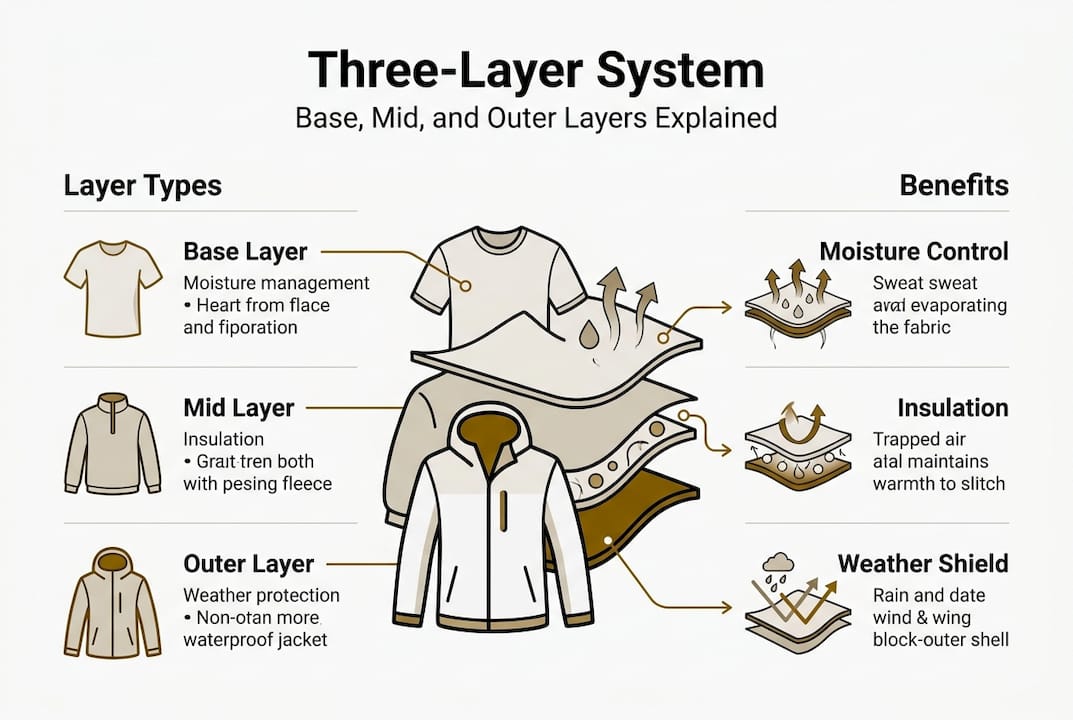
- The three-layer system: base, mid, and outer layers
- Styling with layers: balancing fashion and function
- Maximising wardrobe versatility with layering
- Explore layering pieces at 16th Avenue
- Frequently asked questions about layering clothing
Key Takeaways
| Point | Details |
|---|---|
| Air trapping warmth | Layering creates pockets of still air between thin layers that insulate the body and help manage moisture for improved warmth. |
| Three layer system | A base layer wicks moisture, a mid layer insulates, and an outer layer protects against weather for seasonal adaptability. |
| Moisture management | Natural fibres like merino wool wick moisture effectively while maintaining warmth, unlike cotton. |
| Wardrobe versatility | Layering increases outfit versatility by enabling numerous combinations from a smaller wardrobe. |
| Avoid bulk strategies | Mix fitted layers, textures and lengths to reduce bulk while keeping warmth. |
How layering improves warmth and comfort
The physics of layering reveals why 3 thin layers provide 25% more warmth than one thick coat by trapping insulating air and managing moisture. Each layer creates a pocket of still air that your body heats naturally, forming barriers that prevent cold external temperatures from reaching your skin. This trapped air acts as thermal insulation, significantly more effective than the dense material of a single heavy garment.
Moisture management separates successful layering from uncomfortable bulk. When you move between heated buildings and cold outdoor spaces, your body produces perspiration that can make you feel clammy and chilled. A properly chosen base layer pulls this moisture away from your skin through capillary action, allowing it to evaporate into the surrounding fabric layers. Natural fibres like merino wool excel at this wicking process whilst maintaining warmth even when slightly damp, unlike cotton which retains moisture and loses insulating properties.
Pro Tip: Start with a fitted merino wool base layer against your skin, add an insulating mid layer like a cashmere jumper, and finish with a weatherproof outer shell to maximise warmth without bulk.
Fabric selection dramatically impacts your comfort throughout the day. Synthetic materials trap heat but often create a sweaty microclimate against your skin, whilst natural fibres breathe and regulate temperature more effectively. Understanding these differences helps you build a layering system that works across various activity levels and environments.
| Layer type | Warmth rating | Breathability | Best for |
|---|---|---|---|
| Single thick coat | Moderate | Low | Static outdoor activities |
| Three thin layers | High | High | Variable temperatures and movement |
| Synthetic base + wool mid | Moderate | Medium | Active winter sports |
| Natural fibre system | High | Very high | Daily wear and transitions |
Avoid the common mistake of overdressing your upper body whilst neglecting proper base layers. Many women pile on jumpers and coats but wear thin trousers, creating an imbalanced system. Your layering approach should extend to your entire outfit, ensuring consistent temperature regulation from head to toe. When you feel too warm indoors, simply unbuttoning your outer layer at the neck releases trapped heat without requiring complete removal. This fall outfit styling approach maintains your polished appearance whilst giving you practical temperature control.
Key benefits of proper layering include:
- Prevents overheating during indoor activities by allowing quick adjustments
- Maintains consistent body temperature during outdoor to indoor transitions
- Reduces the need for heavy, restrictive winter coats that limit movement
- Extends the usability of summer and autumn pieces into colder months
- Creates opportunities for expressing personal style through visible layer combinations
The complete layering guide demonstrates how thoughtful fabric choices and proper layer sequencing transform your cold weather wardrobe from merely functional to genuinely comfortable and stylish.
The three-layer system: base, mid, and outer layers
The standard three-layer system includes a base to wick moisture, mid for insulation, and outer for weather protection enabling seasonal adaptability. This proven framework gives you a reliable template for dressing in any climate whilst maintaining style and comfort. Each layer serves a distinct purpose, working together to create an efficient thermal management system.
Your base layer sits directly against your skin, making fabric choice critical for all-day comfort. Merino wool stands out as the superior option because its crimped fibres create tiny air pockets that insulate whilst the natural lanolin coating repels moisture. Unlike synthetic fabrics that can smell unpleasant after a few hours of wear, merino wool resists odour naturally and regulates temperature across a wide range. This layer should fit snugly without restriction, allowing full range of motion whilst maintaining contact with your skin for effective moisture transfer.
The mid layer provides the bulk of your insulation by trapping warm air in its fibres or construction. Lightweight cashmere jumpers, fleece pullovers, or quilted gilets work beautifully depending on your style preferences and the outdoor temperature. This layer should fit comfortably over your base without compressing it, maintaining those crucial air pockets that deliver warmth. You can adjust your insulation level by choosing thicker or thinner mid layers, giving you flexibility as temperatures fluctuate throughout the day or season.

Your outer layer shields you from wind, rain, and snow whilst allowing moisture vapour to escape. A weatherproof shell jacket or seasonal coat with breathable fabric prevents external moisture from penetrating whilst letting perspiration evaporate outward. This layer should fit loosely enough to accommodate your base and mid layers without restriction, but not so oversized that it looks sloppy or allows cold air to enter through gaps.
Pro Tip: Vary your layer textures and weights from fitted and smooth at the base to looser and more textured outward, creating visual interest whilst avoiding bulk around your torso.
Follow these steps to build your layering system effectively:
- Start with a fitted base layer in merino wool or silk that covers your torso and limbs
- Add your insulating mid layer, choosing thickness based on outdoor temperature
- Include a transitional piece like a cardigan or light jumper for indoor wear
- Top with your weatherproof outer layer when heading outside
- Adjust by removing or adding the transitional piece as you move between environments
Recommended fabrics and examples for each layer:
- Base layer: merino wool thermals, silk camisoles, bamboo blend tops
- Mid layer: cashmere jumpers, fleece pullovers, down gilets, chunky knit cardigans
- Outer layer: wool coats, waterproof parkas, windproof blazers, trench coats
- Transitional pieces: lightweight cardigans, denim jackets, structured blazers
This systematic approach to styling essentials ensures you stay comfortable without sacrificing fashion. The professional layering method demonstrates how outdoor enthusiasts apply these same principles for extreme conditions, validating the effectiveness of this three-layer framework for everyday urban wear.
Styling with layers: balancing fashion and function
Combining layers fashionably requires attention to fit, colour coordination, and texture mixing to avoid looking bulky or dishevelled. The difference between stylish layering and simply piling on clothes lies in deliberate choices about proportion, silhouette, and visual balance. Fashion experts recommend colour clashes, scarf integration, and runway-inspired layering to elevate transitional seasonal style beyond functional needs.
| Styling approach | Visual effect | Best for | Potential drawback |
|---|---|---|---|
| Fitted base + loose outer | Sleek, elongated silhouette | Professional settings | May lack warmth in extreme cold |
| Bulky layers throughout | Cosy, relaxed vibe | Casual weekends | Can appear shapeless |
| Monochromatic palette | Sophisticated, streamlined | Minimalist aesthetics | Less visual interest |
| Contrasting colours | Dynamic, playful energy | Creative expression | Requires confident styling |
| Mixed textures | Dimensional, rich appearance | Elevated casual looks | Easy to overdo |
Avoiding bulk requires strategic choices about where volume sits on your body. Keep these principles in mind:
- Wear your most fitted layer closest to your skin, gradually increasing looseness outward
- Tuck base layers into bottoms to prevent bunching around your waist
- Define your waist with a belt over cardigans or under coats to maintain shape
- Vary hem lengths so each layer peeks out slightly, creating visual interest
- Choose structured outer pieces that skim rather than cling to mid layers
Scarves add both warmth and style whilst drawing attention to your face. A chunky knit scarf in a contrasting colour creates a focal point that distracts from any bulk in your torso layers. You can also experiment with double shirt layering, where a collared shirt peeks out from under a crew neck jumper, adding preppy sophistication to casual outfits. This technique works particularly well when you choose complementary colours or patterns that create intentional visual contrast.
Texture mixing elevates simple outfits into fashion statements. Pair a smooth silk base with a chunky cable knit jumper and a sleek wool coat for dimensional interest that catches light differently throughout the day. Avoid matching all your layer lengths exactly, as uniform hems create a boxy, unflattering silhouette. Instead, let each layer show slightly, whether that’s a shirt collar, a cardigan hem, or a coat lining in a pop colour.
Pro Tip: Keep your layers within a three-colour palette to maintain cohesion, but vary the shades and textures to add depth without looking chaotic.
Accessorising thoughtfully completes your layered looks without overwhelming them. Strategic accessory choices like delicate jewellery, structured handbags, and ankle boots draw the eye to specific points whilst balancing the volume created by multiple layers. Avoid chunky jewellery that competes with textured knits, instead opting for sleek pieces that provide contrast.
The guide to avoiding bulk offers additional techniques for maintaining a streamlined appearance, including choosing vertical details like long cardigans and avoiding horizontal stripes in mid layers. When you master these styling principles, layering becomes a creative tool for expressing your personal aesthetic rather than a purely functional necessity. Your dress styling options expand dramatically when you view them as potential layering canvases rather than standalone outfits.
Maximising wardrobe versatility with layering
Layering transforms limited wardrobe pieces into numerous outfit combinations, reducing the need to constantly purchase new items. Layering allows 1-3 pieces to create multiple outfits, with 3 dresses yielding 6+ different looks through strategic layer additions. This approach aligns perfectly with sustainable fashion principles whilst giving you more styling options from fewer garments.
Techniques for multiplying outfit options with minimal pieces:
- Wear a slip dress alone in summer, then layer it over a turtleneck and tights in winter
- Transform a summer blouse into a layering piece under jumpers and blazers for autumn
- Use lightweight cardigans as both outer layers in spring and mid layers under coats in winter
- Layer a shirt dress open over trousers and a fitted top for an instant coat alternative
- Combine a sleeveless dress with various long-sleeve bases to create completely different silhouettes
- Add a denim jacket under a wool coat for extra insulation and a casual edge
The benefits of layering extend beyond simple warmth:
- Adapts a single outfit to multiple temperature zones throughout your day
- Transitions looks from casual to professional by adding or removing structured layers
- Extends seasonal pieces into year-round wardrobe staples
- Reduces clothing waste by maximising use of existing items
- Allows experimentation with trends through inexpensive layering pieces rather than complete outfit overhauls
A versatile dress collection becomes exponentially more valuable when you view each piece as a layering opportunity. A simple black slip dress can appear entirely different when layered over a white button-down shirt versus a striped turtleneck versus a ribbed tank top. Each combination creates a distinct aesthetic whilst requiring only one dress and interchangeable base layers you likely already own.
Practical mixing and matching strategies include choosing a cohesive colour palette for your core pieces so everything coordinates effortlessly. Neutrals like black, grey, navy, and cream form a reliable foundation, whilst one or two accent colours add personality without limiting combinations. Texture variation keeps neutral palettes from appearing boring, with smooth silks, chunky knits, and structured wools providing visual interest within a monochromatic scheme.
The detailed layering tutorial demonstrates exactly how three dresses generate six distinct outfits through thoughtful layering, proving you don’t need an overflowing wardrobe to maintain style variety. This approach particularly benefits women building capsule wardrobes or transitioning between climates where seasonal shopping feels wasteful.
Layering promotes sustainable fashion by encouraging you to shop your existing wardrobe creatively rather than constantly acquiring new pieces. When you master layering techniques, that impulse purchase of a trendy coat matters less because you can create fresh looks with what you already own. Selecting seasonal pieces becomes more strategic when you consider how each item layers with your existing collection, ensuring every purchase earns its place through multiple styling possibilities.
Explore layering pieces at 16th Avenue
Now that you understand how layering enhances both warmth and style, finding the right pieces makes all the difference. 16th Avenue offers carefully curated essentials that work beautifully within the three-layer system whilst maintaining the fashion-forward aesthetic you want.

Their collection of women’s trendy woolen coats provides the perfect outer layer for cold weather, combining weather protection with sophisticated silhouettes that complement rather than overwhelm your mid layers. These structured pieces define your waist whilst allowing room for insulating layers underneath, solving the common problem of coats that fit perfectly over a single shirt but feel restrictive with proper layering.
The styling guides on their blog translate layering principles into specific outfit formulas you can recreate immediately, taking the guesswork out of combining pieces effectively. Browse the full collection to discover base layers, transitional pieces, and outer garments that work together seamlessly, giving you the versatility to dress confidently for any temperature or occasion.
Frequently asked questions about layering clothing
What fabrics are best for layering?
Natural fibres like merino wool, silk, and cashmere excel for base and mid layers because they regulate temperature and wick moisture effectively. Wool coats and weatherproof technical fabrics work best for outer layers. Avoid cotton bases as they retain moisture and lose insulating properties when damp.
How many layers are ideal without looking bulky?
Three layers provide optimal warmth without bulk: a fitted base, insulating mid, and protective outer. You can add a fourth transitional piece like a cardigan for indoor wear, removing it as needed. Focus on fit rather than quantity, keeping base layers snug and outer layers structured but roomy.
Can layering work in warm weather?
Absolutely, though you’ll use lighter fabrics and fewer pieces. Layer a sleeveless top under a linen shirt for sun protection, or wear a light cardigan over a sundress for air-conditioned spaces. The key is choosing breathable natural fabrics and keeping layers minimal.
How does layering improve outfit versatility?
Layering lets you create multiple looks from single pieces by changing what you wear underneath or over them. A dress worn alone differs completely from the same dress layered over a turtleneck or under a blazer, effectively tripling your outfit options without buying more clothes.
What are simple tips to style layers without effort?
Stick to a three-colour palette, vary your textures from smooth to chunky, and ensure each hem length differs slightly. Tuck base layers to prevent bunching, define your waist with belts, and choose one focal point like a statement scarf. These essential styling techniques create polished layered looks quickly.