


Role of Influencers in Fashion – Impact on Trends and Trust
Scrolling through Instagram or TikTok, you probably notice how quickly one outfit or trend seems to pop up everywhere—and it rarely starts with a celebrity. Today, fashion influencers shape your shopping and style choices because their content feels genuine, not corporate. Whether you want that viral purse or the best drugstore highlighter, this guide helps you spot the influencer qualities and communities that really set trends and lead you to affordable, must-have finds.
Table of Contents
- Defining Influencers In Today’s Fashion Scene
- Types Of Fashion Influencers And Key Distinctions
- How Influencers Shape Fashion Trends And Shopping
- Legal, Ethical, And Social Implications For Influencers
- Risks, Challenges, And What Brands Should Avoid
Key Takeaways
| Point | Details |
|---|---|
| Influencer Categories Matter | Understand the different tiers of fashion influencers; nano and micro-influencers often provide more relatable and trustworthy content compared to mega influencers. |
| Authenticity Drives Influence | Choose to follow influencers who demonstrate genuine expertise and engagement with their audiences as they create stronger connections. |
| Trend Creation Dynamics | Recognize that influencers heavily shape fashion trends by creating visibility; their endorsements can rapidly change consumer behaviour. |
| Legal and Ethical Responsibility | Influencers must disclose partnerships and promote body positivity and sustainability to maintain trust and ethical standards in the industry. |
Defining Influencers in Today’s Fashion Scene
Influencers are individuals who shape fashion conversations online and influence what millions of people wear. They’re not just celebrities anymore—they’re content creators, stylists, and everyday people with engaged audiences who trust their opinions.
The definition of fashion influencers has shifted dramatically. Traditional marketing presented brands as authorities. Today, fashion influencers shape consumer buying decisions because they feel relatable rather than corporate.
Who Counts as a Fashion Influencer?
Influencers exist across different tiers, and follower count isn’t the only measure:
- Mega-influencers (1M+ followers): Celebrities and established personalities with massive reach.
- Macro-influencers (100K–1M followers): Niche experts and lifestyle creators with loyal audiences.
- Micro-influencers (10K–100K followers): Specialists in specific styles—sustainable fashion, affordable trends, plus-size styling.
- Nano-influencers (under 10K followers): Authentic voices in local communities with the highest engagement rates.
You’ve likely noticed nano and micro-influencers feel more trustworthy. Their followers don’t feel like numbers—they feel like a community.
Platforms determine influence too. Instagram remains the fashion hub, but TikTok has revolutionised how trends spread. YouTube showcases haul videos and styling tutorials. Pinterest drives shopping inspiration. Each platform creates different types of influencers.
What Makes Someone an Influencer?
It’s not just posting pretty photos. Influencers possess specific qualities:
- Authenticity: They share real fashion choices, not just paid promotions.
- Expertise: Whether in vintage styling, minimalism, or runway trends, they know their lane.
- Engagement: They respond to comments, create conversations, and build community.
- Consistency: They post regularly and maintain a recognisable aesthetic.
Influencers succeed because audiences perceive them as credible sources, not traditional marketing—this trust is their most valuable asset.
The influencer economy has created a new career path. Some started as fashion students sharing outfit inspiration. Others built followings through honest product reviews. A few transitioned from blogging to social media dominance. What they share is a genuine love for fashion.
When you follow an influencer selling clothing and beauty products, you’re engaging with someone who curates trends and shopping recommendations. They’ve become gatekeepers of what’s considered fashionable, what’s worth buying, and what deserves your attention among thousands of options.
Understanding how trends develop in fashion helps you recognise how influencers amplify certain styles over others.
Pro tip: Follow micro-influencers in your specific style niche rather than mega-influencers—you’ll discover affordable finds tailored to your taste, not just trending items everyone’s already wearing.
Types of Fashion Influencers and Key Distinctions
Not all influencers operate the same way. Their differences go beyond follower counts—they vary in reach, authenticity, content style, and how they connect with audiences. Understanding these distinctions helps you find voices that actually matter for your wardrobe choices.
The Four Main Influencer Tiers
Influencers fall into clear categories based on audience size and impact:
- Mega-influencers (1M+ followers): Often celebrities or former reality TV stars. Their reach is massive, but engagement feels distant.
- Macro-influencers (100K–1M followers): Established lifestyle creators with dedicated followings. They’ve built credibility in specific niches.
- Micro-influencers (10K–100K followers): The sweet spot for authentic recommendations. They know their audience personally.
- Nano-influencers (under 10K followers): Your friend’s friend with impeccable taste. Highest trust, smallest reach.
Mega-influencers dominate feeds because brands pay for visibility. Nano-influencers rarely go viral, but their followers actually listen.
Here is a summary table comparing influencer tiers by influence, trust level, and example content focus:
| Influencer Tier | Typical Influence | Trust Level | Common Content Focus |
|---|---|---|---|
| Mega-influencer | Broad, global trends | Lower, celebrity status | Major brand launches |
| Macro-influencer | Wide, niche authority | Moderate, expert status | Trend explanations, reviews |
| Micro-influencer | Specific, community | High, personal bond | Affordable styling, tutorials |
| Nano-influencer | Local, peer-to-peer | Highest, friendlike | Everyday looks, unique finds |
How Influencers Differ Beyond Numbers
Influencer behavioural patterns and engagement strategies reveal important distinctions. Some creators focus on daily outfit posts. Others specialise in hauls, tutorials, or trend analysis. Content creators use different platforms strategically—Instagram for polished aesthetics, TikTok for trends, YouTube for detailed reviews.
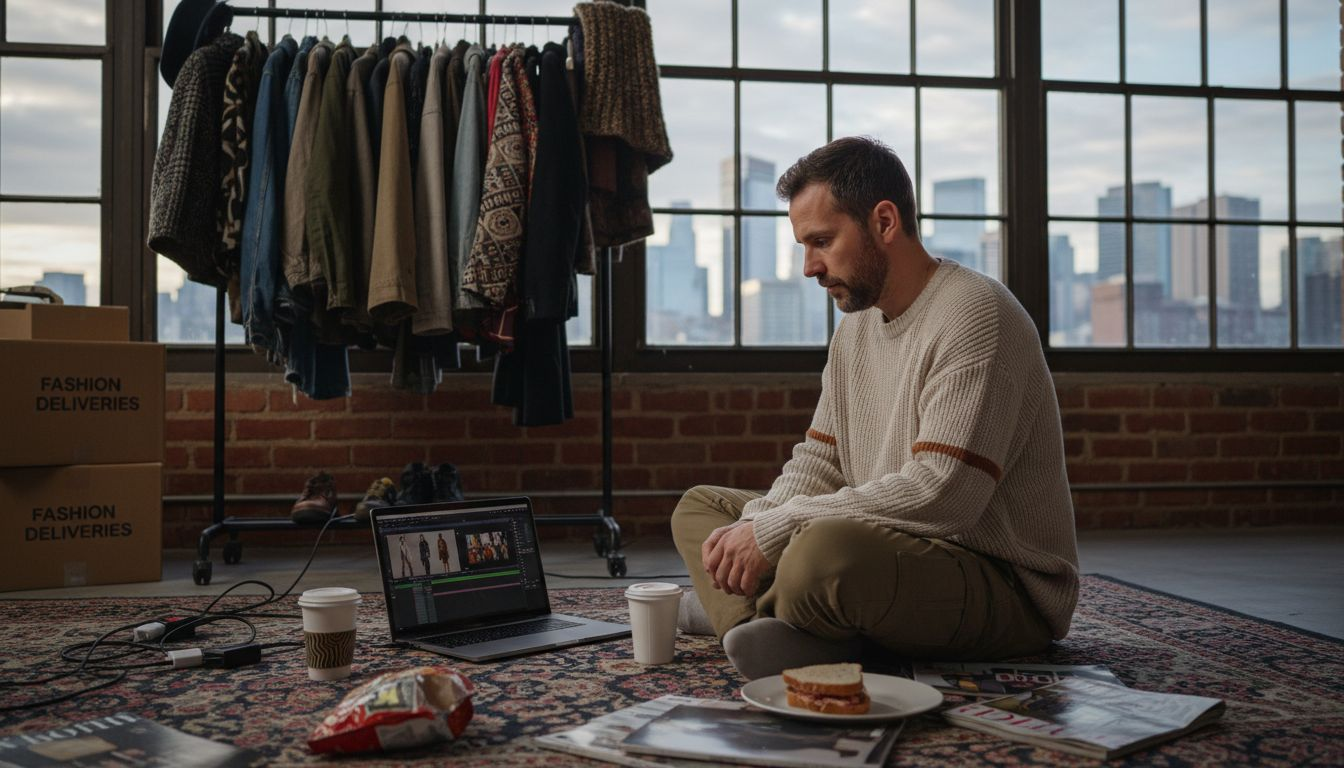
Gender and niche also matter. Women’s fashion influencers dominate, but male fashion creators are growing. Some focus on affordable fashion. Others champion sustainability. A few specialise in plus-size styling or vintage finds.
Celebrity Influencers vs. Content Creators
Celebrity influencers trade on existing fame. They already had massive followings before Instagram existed. Their endorsements carry weight because people already know them.
Content creators built audiences from zero. They earned trust through consistent posts, genuine recommendations, and community engagement. This distinction matters: celebrities promote products; creators test them first.
The most authentic influencers succeed not through follower count, but through demonstrated expertise and genuine audience relationships.
Content creators often feel more relatable because they started where you are. They struggled with finding affordable trends. They figured out styling tricks through trial and error. That journey builds credibility celebrities can’t always claim.
Why These Distinctions Matter for You
Following mega-influencers means seeing what everyone’s already buying. Micro and nano-influencers direct you toward hidden gems at prices that won’t break your budget.
Teen fashion trends develop differently when shaped by peers versus celebrities. Knowing who influences your style choices gives you control over your wardrobe decisions.
Each tier serves a purpose. Mega-influencers set broad trends. Macro-influencers explain why trends matter. Micro-influencers show how to wear trends affordably. Nano-influencers validate your personal style choices.
Pro tip: Follow one macro-influencer for trend direction, three micro-influencers for affordable styling inspiration, and at least one nano-influencer in your actual community—this mix keeps you informed without drowning in hype.
How Influencers Shape Fashion Trends and Shopping
Influencers don’t just wear clothes—they create demand. When a creator posts an outfit, thousands of followers immediately search for those exact pieces. This ripple effect determines what trends become mainstream and what stays niche.
The Mechanism Behind Trend Creation
Influencers shape trends through visibility and repetition. When multiple creators post similar styles simultaneously, audiences perceive those looks as “trendy.” It feels organic, but it’s actually coordinated.
Brands send free products to influencers strategically. If a micro-influencer wears a dress once, maybe 50 people notice. If five macro-influencers wear the same dress within a week, it becomes unavoidable. Your feed fills with it. Your friends mention it. Suddenly, everyone wants it.
Influencer credibility and attractiveness directly influence whether you adopt trends. You don’t just copy trends because they exist—you copy them because someone you trust wore them first.
How Influencers Affect Your Shopping Decisions
Influencers shape what you buy through several methods:
- Visibility: They make certain products impossible to ignore.
- Validation: Seeing someone similar to you wear something makes it feel safe to buy.
- Speed: Trends spread in days now, not months.
- Affordability: Micro-influencers showcase budget-friendly alternatives to expensive pieces.
- Urgency: Limited-edition collaborations create “buy now or regret it” pressure.
The impact varies by age group. Younger shoppers heavily follow influencer recommendations. Older demographics rely more on personal experience and traditional marketing.
Why Authenticity Matters More Than Reach
A nano-influencer wearing something because they genuinely like it influences you more than a celebrity paid $50,000 to post about it. You sense the difference intuitively.
Perceived authenticity and constant interaction with followers amplify influencer power over fashion choices far more than follower counts ever could.
Inflencers who test products before recommending them build trust. Those who accept every brand deal feel transactional. Your wardrobe decisions depend on which category the influencer falls into.
The Gap Between Style Adoption and Purchase Behaviour
Influencers shape what you think is fashionable more than what you actually buy. You might love a trend, save the post, and never purchase it. Price, fit, and practical life rarely match Instagram aesthetics.
This distinction matters. Influencers drive trend awareness massively. They drive actual purchases less than you’d expect. Cost, availability, and personal body concerns create barriers even the most persuasive influencer can’t overcome.
Understanding how teen fashion trends develop through peer influence helps you recognise when you’re genuinely interested versus influenced by hype.
Pro tip: Save posts from influencers you love for a week before purchasing—if you still want the item after the hype fades, it’s a genuine addition to your wardrobe, not impulse buying driven by trend pressure.
Legal, Ethical, and Social Implications for Influencers
Influencers wield significant power over millions of followers. With that power comes responsibility—legal obligations, ethical concerns, and social consequences that extend far beyond posting a photo. Understanding these implications matters whether you’re following influencers or considering becoming one.
Disclosure and Transparency Requirements
Influencers must disclose paid partnerships. In many countries, failing to reveal sponsored content violates advertising laws. A simple “#ad” or “#sponsored” isn’t optional—it’s legally required.
Yet many creators still hide paid promotions. They post product photos without disclosure, hoping followers won’t notice. This deception breaks trust and violates regulations in Canada, the United States, the United Kingdom, and the European Union.
Legal frameworks governing influencer marketing now require clear disclosure of brand partnerships. Governments fine influencers and brands thousands of dollars for violations. The stakes are real.
Transparency protects you. Knowing which recommendations are paid helps you make independent decisions. You can still trust paid promotions if the influencer genuinely uses the product—the key is honest labelling.
Ethical Issues Around Body Image and Authenticity
Influencers heavily edit photos. They use filters, angles, and lighting that create unrealistic body standards. Followers compare themselves to impossible versions of real people.
This causes measurable harm. Body image issues, anxiety, and eating disorders correlate with heavy social media consumption. Young women especially struggle with the gap between influencer aesthetics and reality.
Influencer marketing’s impact on body image reveals serious ethical concerns. Responsible influencers acknowledge filters and editing. Irresponsible ones present edited images as natural reality.
The ethical question isn’t whether editing exists—it’s whether creators disclose it. When they do, followers can enjoy the content without comparing themselves to fake standards.
Social Responsibility in Fashion Choices
Influencers shape consumption patterns. When they promote fast fashion hauls, millions buy disposable clothes. When they champion sustainable brands, fashion waste decreases.
This influence carries social responsibility:
- Environmental impact: Fast fashion drives textile waste and pollution.
- Labour practices: Cheap clothing often means exploited workers.
- Consumer debt: Influencers promote shopping beyond financial means.
- Overconsumption: Constant trend cycles encourage unnecessary purchases.
Ethical influencers consider these consequences. They promote quality over quantity. They discuss sustainability. They acknowledge the real human cost behind cheap clothing.
Influencers shape cultural norms about consumption, making their ethical choices powerful forces for either harm or positive social change.
You can support influencers who prioritise responsibility over profit. Your following, engagement, and purchases signal which values matter.
Pro tip: Before trusting an influencer’s recommendations, check whether they disclose partnerships, acknowledge photo editing, and discuss sustainable fashion—these habits separate credible voices from exploitative accounts.
The table below outlines legal, ethical, and social influencer obligations for follower protection:
| Obligation | Why It Matters | Consequence of Neglect |
|---|---|---|
| Disclose sponsorship | Ensures honest recommendations | Fines, loss of trust |
| Limit photo editing | Protects realistic body images | Contributes to body issues |
| Promote sustainability | Reduces fashion industry harm | Increases waste, bad publicity |
| Align with brand values | Maintains audience credibility | Damages brand, audience fallout |
Risks, Challenges, and What Brands Should Avoid
Influencer marketing looks simple: send free products to creators, they post photos, sales increase. Reality is messier. Brands face real risks when partnering with influencers—fraud, misalignment, reputation damage, and wasted budgets plague careless campaigns.
The Problem with Fake Followers and Fraud
Some influencers buy fake followers. An account shows 500,000 followers but only 100 are real people. Brands pay thousands for access to an audience that doesn’t exist.
Detecting fraud requires investigation. Real engagement rates typically fall between 1–5 percent. Accounts with 3–10 percent engagement suggest authentic audiences. Anything higher signals purchased likes and comments.
Key risks brands face in influencer partnerships include influencer fraud that drains marketing budgets. A single campaign with a fraudulent influencer wastes time and money while delivering zero results.
Brands should demand proof of authenticity. Request engagement analytics. Check comment quality—real followers leave thoughtful comments; fake ones post generic emojis.
Misalignment and Brand Safety Issues
Brand values matter. If a clothing company partners with an influencer who promotes unsustainable fast fashion, the collaboration contradicts the brand’s message. Audiences notice the disconnect immediately.
Worse, influencers sometimes post controversial content after brand deals begin. A creator promotes a sustainable brand one week, then posts a haul of cheap fashion the next. The brand’s reputation suffers through association.
Brands must vet influencers thoroughly. Check their past partnerships. Review their feed for inconsistencies. Ensure their values genuinely align with yours, not just for this campaign.
Over-Reliance on Follower Count
Big follower counts don’t guarantee results. A macro-influencer with 500,000 followers might drive fewer sales than a micro-influencer with 50,000. Follower count measures reach, not influence.
Strategic pitfalls in influencer selection reveal that misjudging credibility based purely on numbers leads to failed campaigns. Engagement rate, audience quality, and niche relevance matter far more.
An influencer whose 20,000 followers genuinely care about your product category outperforms one with 200,000 disengaged followers.
What Brands Should Avoid
Common mistakes cost money and damage reputations:
- Unclear contracts: Vague partnership terms lead to disputes and miscommunications.
- One-off deals: Single posts rarely drive results; ongoing relationships build trust.
- Ignoring legal compliance: Failure to require disclosures violates advertising laws.
- No performance metrics: Launch campaigns without clear goals or measurement plans.
- Rushed vetting: Partner with influencers without researching their audience and values.
Brands that build long-term relationships with aligned influencers see better results than those chasing short-term opportunistic partnerships.
Authenticity also matters for your brand’s sake. Customers recognise when influencers genuinely use products versus when they’re just paid to post. Dishonest partnerships erode trust in both the influencer and the brand.
Pro tip: Before partnering with any influencer, request their media kit, check their engagement rate independently, review their last 50 posts for values alignment, and always include clear disclosure requirements in your contract.
Discover Authentic Style and Trend-Ready Finds at 16th Avenue
Navigating the fast-changing world of fashion influenced by diverse creators can feel overwhelming. With so many voices shaping what is “in” and “trustworthy” today the challenge is finding authentic, affordable pieces that truly fit your style and values. At 16th Avenue, we understand the importance of authenticity and community when it comes to fashion choices. We curate collections inspired by real influencers who prioritize honesty and sustainable style over fleeting hype.
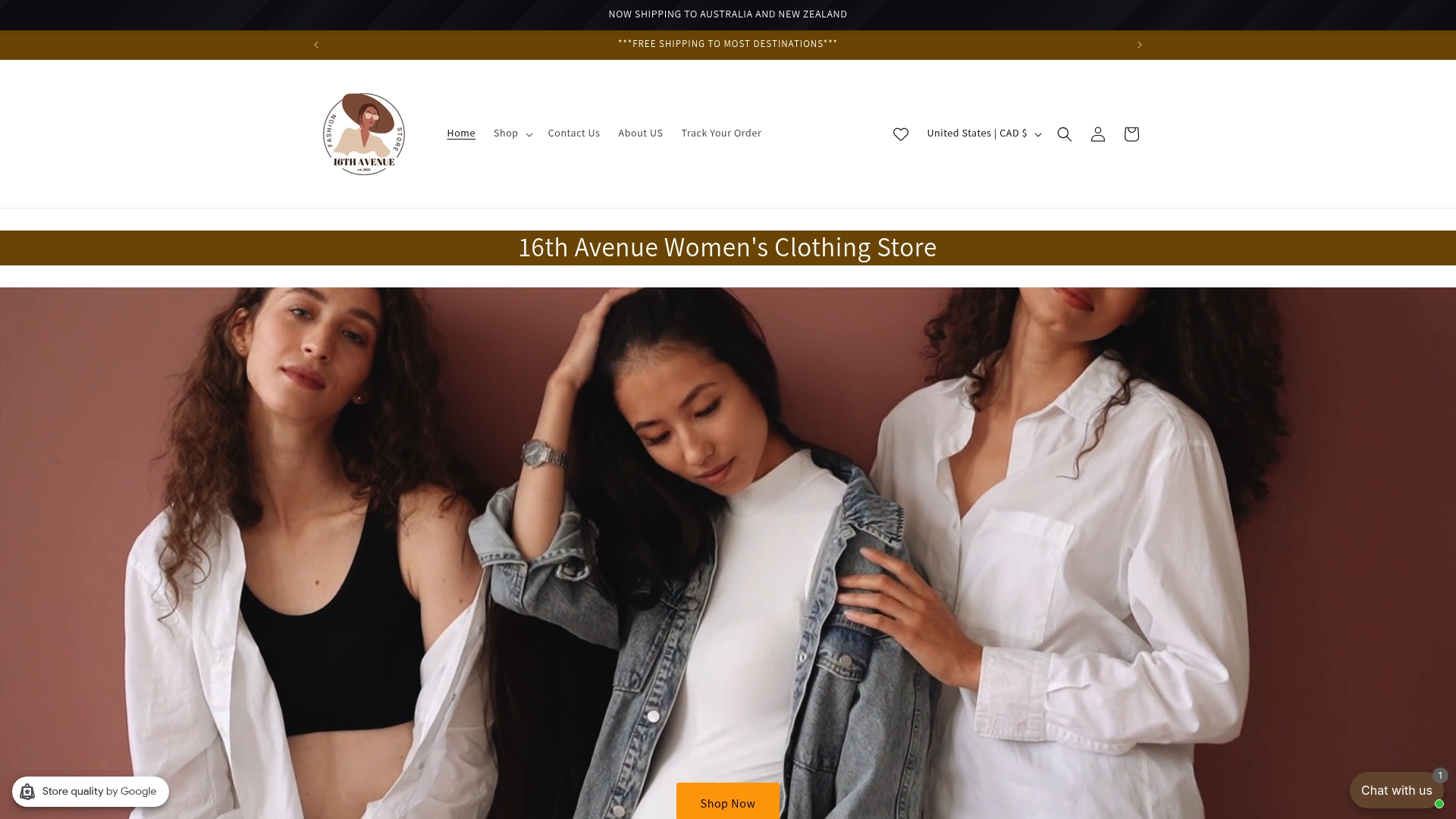
Explore our wide range of women’s clothing and beauty products designed to help you express your unique look with confidence. From trendy dresses to must-have beauty essentials each item reflects thoughtful curation that respects both your budget and individuality. Step beyond the noise of influencer marketing with a shopping experience that puts your trust first. Visit 16th Avenue’s homepage to discover styles shaped by genuine passion rather than empty promotion and start building your wardrobe with pieces that speak to you now.
Frequently Asked Questions
What are the different types of fashion influencers?
Fashion influencers are categorized into four main tiers based on their audience size and impact: Mega-influencers (1M+ followers), Macro-influencers (100K–1M followers), Micro-influencers (10K–100K followers), and Nano-influencers (under 10K followers). Each tier has distinct characteristics and levels of trust with their followers.
How do influencers shape fashion trends?
Influencers create demand for fashion trends by sharing outfits on their platforms. When multiple influencers showcase similar styles, their followers perceive those looks as trendy. This visibility and repetition contribute to mainstream adoption of specific fashion trends.
Why is authenticity important in influencer marketing?
Authenticity matters because audiences trust influencers who share genuine opinions and experiences over those who only promote products. Influencers who disclose paid promotions and maintain honest communication create stronger relationships with their followers, leading to more effective recommendations.
How do influencers impact consumer purchasing decisions?
Influencers impact purchasing decisions through visibility, validation, and urgency. When they showcase specific products, it increases awareness and makes trends feel accessible. Followers are more likely to purchase items endorsed by someone they perceive as relatable and trustworthy.