


Role of Footwear in Outfits – Elevating Everyday Style
Selecting footwear that expresses your unique style has never felt more crucial. Whether stepping out in Paris or Toronto, shoes offer a powerful way to communicate identity, confidence, and attitude before you say a word. Studies confirm that footwear influences how you move and carries both fashion and functional significance. This article explores how shoes shape self-expression and outfit impact while revealing the latest trends and key features every fashion-forward woman needs.
Table of Contents
- Defining The Role Of Footwear In Fashion
- Popular Footwear Types And 2026 Trends
- Key Features Influencing Shoe Choices
- How Footwear Transforms Outfit Aesthetics
- Common Styling Mistakes And Solutions
Key Takeaways
| Point | Details |
|---|---|
| Footwear’s Role in Fashion | Shoes are a vital part of personal style, anchoring outfits and influencing posture and confidence. |
| Impact of Fit and Comfort | Proper fit and comfort are essential for footwear; prioritising these factors ensures shoes will be worn frequently and enhance overall style. |
| Functional Style Choices | Modern footwear trends favour styles that blend comfort and functionality, allowing versatility across various occasions. |
| Cultural and Personal Identity | Shoe choices communicate personal values and cultural identity, reflecting lifestyle and style philosophy. |
Defining the Role of Footwear in Fashion
Footwear is far more than a practical necessity. Your shoes are a powerful style statement that communicates who you are before you speak a word.
Think about the last time you wore shoes that made you feel confident. That feeling isn’t random—it’s the result of footwear’s unique position in fashion. Shoes anchor your entire look and set the tone for how an outfit comes together.
Research on footwear’s biomechanical impact reveals that shoes do more than look good; they influence how you move and carry yourself. The right pair changes your posture, your stride, and ultimately, your presence.
The Fashion Function Connection
Footwear bridges two worlds that most people think are separate: fashion and function. Your shoes need to look stunning, but they also need to support the way you actually live.
Key reasons why footwear matters in styling:
- Creates visual anchoring for the entire outfit
- Establishes colour palettes and style directions
- Reflects your personal aesthetic and confidence level
- Determines comfort for all-day wear without compromise
- Signals occasion appropriateness instantly
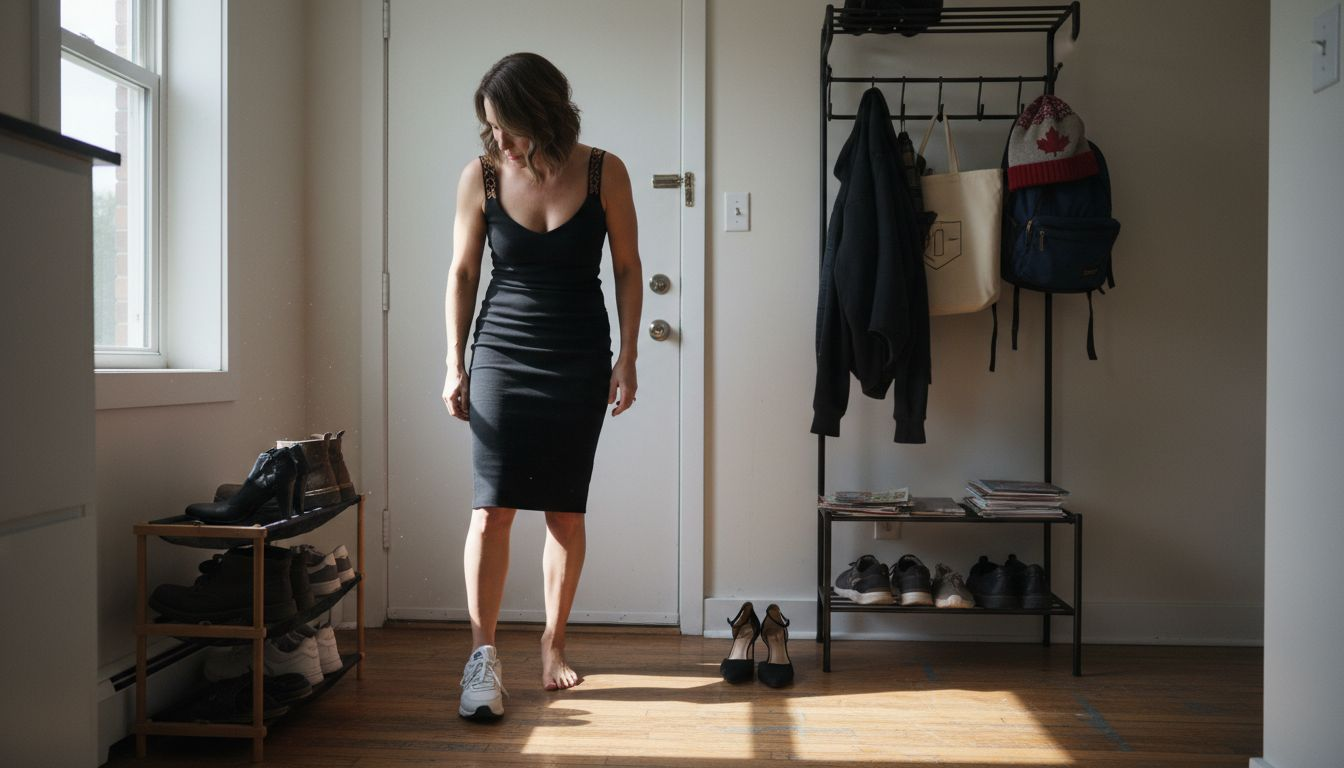
A crisp white sneaker completely transforms a black dress compared to a strappy heel. Same dress, entirely different statement. That’s the power of footwear choice.
Identity and Cultural Meaning
Footwear extends beyond practicality to embody cultural significance and personal identity. Your shoe choice reflects your values, lifestyle, and how you see yourself in the world.
When you select shoes, you’re choosing more than a product. You’re expressing:
- Your personal style philosophy
- Cultural background and values
- Lifestyle priorities and daily activities
- Sustainability consciousness and ethics
- Social and professional positioning
Shoes are affective objects that mediate human experience—they sit at the intersection of who you are and how the world perceives you.
Consider how trainers communicate accessibility and comfort, while tailored loafers signal professionalism. Combat boots declare confidence and edge. Ballet flats suggest understated elegance. Each choice tells a distinct story.
Why This Matters for Your Style
Elevating your everyday style doesn’t require a complete wardrobe overhaul. Strategic footwear choices multiply the impact of what you already own.
One pair of well-chosen shoes can transform multiple outfits. A neutral leather pump works with office wear, weekend dresses, and tailored trousers. A statement sneaker elevates casual basics into intentional styling.
Pro tip: Invest in footwear that aligns with your most frequent activities and style philosophy—shoes should feel as good as they look, supporting both your aesthetic goals and your actual life.
Popular Footwear Types and 2026 Trends
Footwear choices have never been more diverse or aligned with how women actually live. The shoe market is shifting dramatically toward styles that work for real life, not just special occasions.
2026 is bringing a fundamental change in what footwear means. Gone are the days of choosing between comfort and style. This year celebrates shoes that do both brilliantly.
What’s Dominating Footwear Right Now
The footwear landscape features a blend of styles that reflect modern priorities. Understanding these popular types helps you build a versatile collection that covers every aspect of your life.
Top footwear categories for everyday styling:
- Trainers and sneakers (comfort-first approach)
- Loafers and slip-ons (casual professionalism)
- Ballet flats and minimalist shoes (understated elegance)
- Boots and ankle boots (versatile year-round)
- Sandals and slides (seasonal comfort)
7 essential footwear types provide the foundation for a complete wardrobe that adapts to any situation.
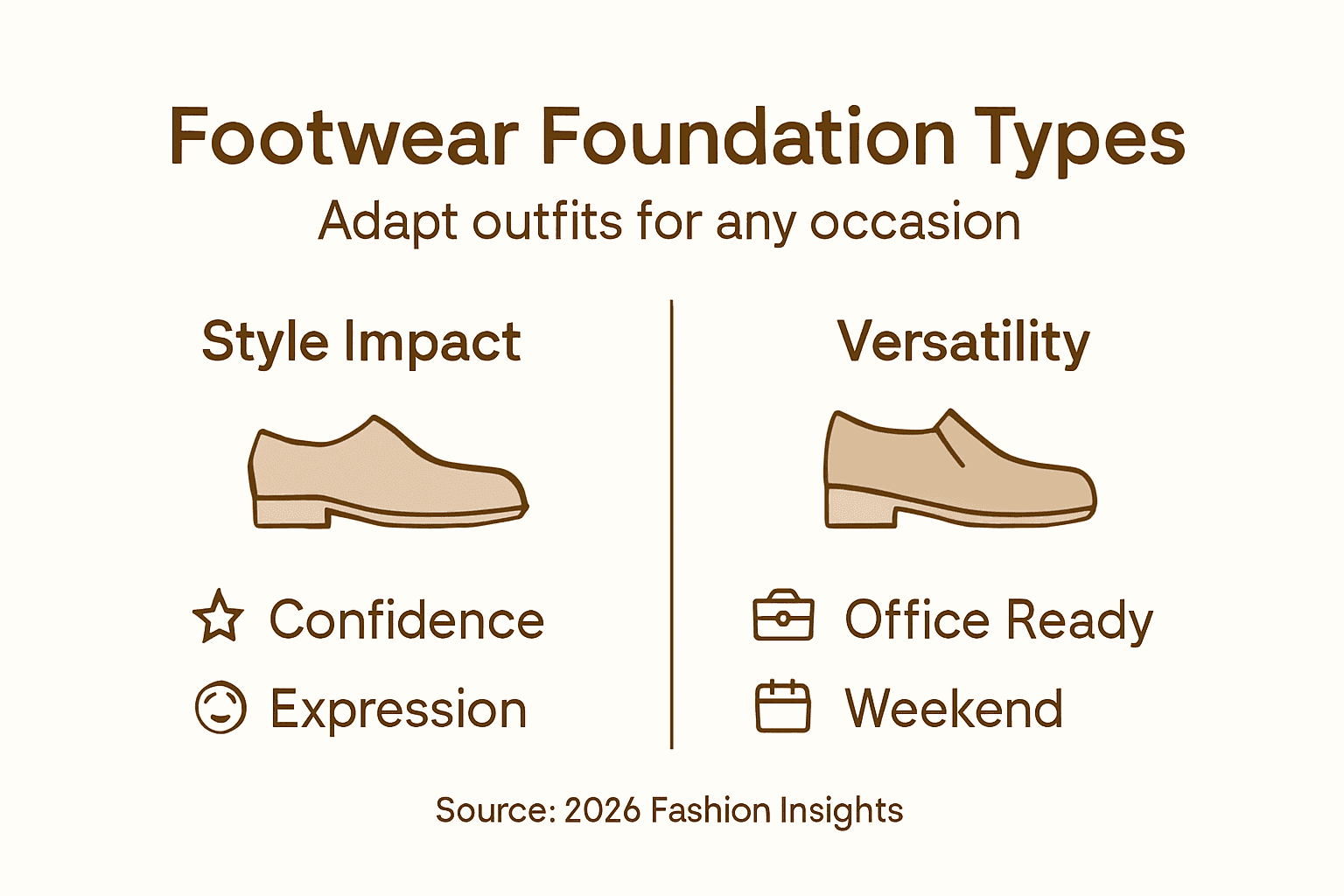
Here’s a quick comparison of everyday footwear types and the impressions they evoke:
| Shoe Type | Main Impression | Style Versatility | Typical Comfort Level |
|---|---|---|---|
| Trainers/Sneakers | Relaxed, accessible | Pairs with casual, sports | High (cushioned, flexible) |
| Loafers | Professional, polished | Suits office and smart casual | Moderate (structured fit) |
| Ballet Flats | Refined, understated elegance | Works with formal, daywear | Moderate (lightweight, flexible) |
| Boots | Confident, stylish edge | Year-round, dress up/down | High (supports ankle/foot) |
| Sandals/Slides | Laid-back, warm-season vibe | Ideal for summer outfits | Variable (open design) |
2026 Footwear Trends You’ll Actually Wear
2026 marks a major shift toward multifunctional designs blending sport and fashion. This means shoes that look polished but feel like trainers. Comfort is no longer a compromise.
Key trends shaping 2026:
- Durable, versatile styles built to last
- Sustainable materials reflecting environmental responsibility
- Casual comfort without sacrificing aesthetic appeal
- Innovative construction emphasising longevity
- Cross-category styling (sportswear meets everyday wear)
The footwear market is moving toward shoes that support how you actually live—not how you wish you looked in pictures.
This shift matters because it validates what you probably already know: the best shoes are ones you’ll actually wear daily.
Building Your 2026 Footwear Foundation
Invest in pieces that transcend seasonal trends and work across multiple outfit combinations. One quality pair of neutral trainers worn with intention becomes a statement, not just practical.
Prioritise footwear that:
- Works with at least five different outfits
- Feels comfortable after eight hours of wear
- Aligns with your actual daily activities
- Reflects your personal style philosophy
- Uses sustainable or ethical production
The brands recognising this shift are winning customer loyalty by offering shoes that perform and look incredible simultaneously.
Pro tip: Invest in one quality pair of versatile trainers and one neutral boot this season—these two foundational pieces will work across more outfit combinations than any trend-specific shoe, keeping your collection relevant through 2026 and beyond.
Key Features Influencing Shoe Choices
Choosing shoes isn’t random. Real factors determine whether a pair will become your favourite or sit unworn in the back of your wardrobe.
When you understand what actually matters in shoe selection, you make choices that work for your life rather than against it. The right features transform daily comfort from a luxury into a non-negotiable standard.
The Core Features That Matter
Comfort tops the list of what women prioritise when selecting shoes. This isn’t vanity—comfort directly impacts how often you’ll wear a pair and how confident you’ll feel.
Essential shoe features to evaluate:
- Cushioning level and shock absorption
- Fit around the heel, arch, and toe box
- Breathability and moisture management
- Weight and overall shoe construction
- Arch support matching your foot anatomy
Comfort combines multiple design elements including materials, cushioning, and how the shoe responds to your unique foot shape. Comfort isn’t one-size-fits-all.
To support better shoe selection, see these core features and their impact:
| Feature | Impact on Use | Style Contribution |
|---|---|---|
| Cushioning | Reduces fatigue, all-day wear | Subtle, influences silhouette |
| Fit | Prevents discomfort, blisters | Sharpens overall look |
| Breathability | Keeps feet dry, fresh | Allows seasonal styling |
| Arch Support | Protects long-term foot health | Can subtly elevate posture |
| Weight | Enables easy movement | Affects visual bulk |
Biomechanical Considerations
Your body’s mechanics influence which shoes will feel best and prevent injury. Understanding your gait helps you choose footwear that supports rather than fights against how you naturally move.
Key biomechanical factors include:
- Shoe drop (the height difference between heel and toe)
- Overall stiffness and flexibility
- Weight distribution and stability
- Pronation support (inward foot roll)
- How the shoe responds to your stride
Biomechanical features like shoe drop and cushioning significantly impact how your feet, ankles, and knees feel after hours of wear. A shoe that ignores your biomechanics creates fatigue and discomfort.
Beyond Physical Features
Price, aesthetics, and peer recommendations influence decisions too. But research shows that women who prioritise comfort and fit first end up happiest with their purchases.
The shoes you actually wear are shaped by multiple factors—start with comfort and fit, then layer in style and price.
Your lifestyle matters enormously. A desk worker needs different features than someone commuting on foot for an hour daily. Match shoe features to your actual activities, not aspirational ones.
Making Your Decision
Test shoes by wearing them around your home for an hour before committing. Your feet reveal the truth quickly—discomfort during this trial run means they won’t work for all-day wear.
Prioritise features in this order:
- Comfort and proper fit
- Biomechanical support for your gait
- Durability and construction quality
- Aesthetic alignment with your style
- Price relative to expected lifespan
Pro tip: Spend extra time evaluating the arch support and heel fit before purchasing, as these two features determine whether shoes feel comfortable after eight hours of wear—the true test of quality footwear.
How Footwear Transforms Outfit Aesthetics
A single pair of shoes can completely reimagine an entire outfit. This isn’t exaggeration—it’s how fashion actually works when you understand the power of footwear.
Your shoes ground every outfit and determine whether the look feels polished or incomplete. The right pair elevates basics into intentional styling; the wrong pair undermines even carefully curated pieces.
The Visual Impact of Shoes
Quality footwear provides sharper lines, better structure, and superior materials that anchor your entire look. These aren’t subtle differences—they’re the distinction between an outfit that looks finished and one that feels unresolved.
How shoes transform aesthetics:
- Define the visual weight and balance of an outfit
- Establish or reinforce colour palettes and design themes
- Add texture, stitching details, and visual interest
- Ground the look with intentional styling choices
- Signal the occasion and overall aesthetic direction
Consider wearing a casual linen dress with white trainers versus pointed flats. Same dress, entirely different energy. One feels relaxed and accessible; the other feels refined and intentional.
Shoes as Personal Communication
Footwear reflects cultural meanings and personal identity, mediating how you engage with your environment and how others perceive your style choices. Your shoes tell a story about who you are before conversation begins.
What your shoe choices communicate:
- Your personal style philosophy and aesthetic
- Attention to detail and intentional curation
- Lifestyle priorities and practical realities
- Social awareness and occasion appropriateness
- Confidence in your fashion choices
Shoes are where theory meets lived experience—they bridge who you want to be with who you actually are.
This is why feeling good in your shoes matters so deeply. When footwear aligns with your identity, you move through the world differently.
Creating Outfit Cohesion
Quality shoes ground and balance looks by reinforcing style consistency and delivering the visual polish necessary for elevated outfits. A well-chosen pair ties seemingly unrelated pieces into a cohesive whole.
Practical transformation techniques:
- Match shoe formality to overall outfit intention
- Use shoes to anchor colour or texture themes
- Choose heel heights that enhance body proportions
- Select styles that reflect the outfit’s energy
- Prioritise shoes that work across multiple looks
A blazer and jeans become office-ready with tailored loafers but feel effortlessly cool with leather trainers. The shoes determine perception and context entirely.
Building Your Transformation Strategy
Invest in footwear that multiplies outfit possibilities rather than limits them. One excellent pair of neutral shoes worn with intention transforms more looks than three trendy pairs collecting dust.
Pro tip: Select shoes based on how they complement your most-worn pieces and frequent activities—a pair that works with five existing outfits creates more style impact than trend-focused shoes worn occasionally.
Common Styling Mistakes and Solutions
Most women make the same footwear mistakes repeatedly without realising it. These errors aren’t about lacking fashion sense—they’re about overlooking how shoes function within an outfit.
Recognising and fixing these patterns transforms your styling instantly. Small adjustments to shoe selection create dramatic improvements in how polished and intentional your outfits feel.
Mistake 1: Ignoring Shoe Fit and Proportion
Wearing shoes that don’t fit properly disrupts your entire silhouette. Oversized trainers, too-tight heels, or shoes with incorrect proportions for your frame create visual imbalance.
Neglecting shoe fit and proportion undermines even the most carefully curated outfits. Your shoes should enhance your proportions, not fight against them.
Fit issues to address:
- Shoes that slide off or pinch during wear
- Heel heights mismatched to your frame
- Toe box width creating discomfort or visual bulk
- Shaft height disproportionate to leg length
- Weight distribution causing awkward posture
The solution is straightforward: prioritise fit before style. A perfectly fitting neutral shoe elevates an outfit far more than a trendy pair that doesn’t sit properly on your foot.
Mistake 2: Over-Accessorising with Footwear
Choosing shoes with excessive detailing when your outfit already features statement pieces creates visual chaos. Bold trainers, embellished heels, and textured boots compete for attention rather than supporting your look.
Over-accessorising through footwear happens when you add too many visual elements simultaneously. Your shoes should either anchor the look or complement existing statement pieces.
How to avoid this:
- Save bold shoes for simple outfits
- Pair minimalist footwear with textured clothing
- Choose one focal point per look
- Let accessories breathe within your styling
- Step back and assess visual weight distribution
Your shoes should enhance your outfit, not fight everything else for attention.
A patterned dress with a bold bag already tells a complete story. Adding printed or embellished shoes adds too much visual noise. Instead, ground the look with neutral footwear.
Mistake 3: Disregarding Personal Style
Following trends without considering your actual aesthetic creates outfits that feel inauthentic. You end up with shoes you never wear because they don’t align with who you actually are.
The solution involves confidence in your personal preferences. Your style choices should feel natural, not forced. If statement heels make you uncomfortable, they won’t work no matter how trendy they are.
Building authentic shoe choices:
- Assess your lifestyle and daily activities
- Identify your consistent style preferences
- Choose footwear that feels genuine to wear
- Test new styles before committing to purchases
- Prioritise comfort alongside aesthetics
Pro tip: Before buying shoes, ask yourself whether you’ll actually wear them at least five times—if you hesitate, they don’t align with your genuine style or lifestyle, and they’ll sit unworn.
Elevate Your Style with Footwear That Speaks Confidence and Comfort
Choosing the perfect pair of shoes is more than a purchase it is a solution to challenges like discomfort, lack of confidence, and the struggle to find footwear that truly fits your lifestyle and personal style philosophy. This article highlights how footwear anchors your outfit’s impact and supports your natural movement, proving comfort and style can coexist without compromise.
Discover footwear designed to transform your daily wardrobe with choices that reflect your identity and elevate your look. Explore our carefully curated Womens Shoes Collection | Stylish & Comfortable Footwear | 16th Avenue where we prioritise fit, durability, and aesthetics working together. Find shoes that support you through eight hours of wear while completing your outfit with polished, confident energy.
Take control of your style journey today by investing in shoes that multiply your outfit possibilities rather than limit them. Shop now at 16th Avenue and experience how the right footwear can redefine your fashion statement and daily comfort. Your perfect pair awaits to transform not only your wardrobe but how you move through every moment.
Frequently Asked Questions
How does footwear impact overall outfit styling?
Footwear anchors your entire look, establishing visual balance, colour palettes, and style direction, which significantly influences the perception of your outfit.
What are the key features to consider when choosing shoes?
When selecting shoes, prioritize comfort, fit, breathability, cushioning, and arch support. These features impact daily wearability and how well the shoes complement your style.
How can I elevate my style without changing my entire wardrobe?
Invest in versatile footwear that can transform multiple outfits. A high-quality, neutral pair of shoes can drastically elevate existing pieces in your wardrobe.
What common mistakes should I avoid when selecting shoes for my outfits?
Avoid neglecting shoe fit and proportion, over-accessorising with overly detailed shoes, and disregarding your personal style preferences. Focus on shoes that enhance your outfit without overwhelming it.