


Body positivity in fashion: Inclusivity and self-expression
TL;DR:
- Most fashion brands’ body positivity claims are superficial and lack real size inclusivity. Genuine inclusivity involves diverse representation, extended sizing, adaptive designs, and intersectionality. Consumer activism and transparency are crucial to driving authentic change in the industry.
At autumn/winter 2026 fashion weeks, 97.6% of models were straight-size, with plus-size models making up just 0.3% of all runway appearances. That number is jarring, especially when brands plaster “body positive” across their campaigns. The truth is that body positivity in fashion is one of the most misused phrases in the industry today. It gets applied to a single curve model in a lookbook, or a hashtag on a brand’s Instagram, while the actual product range stops at a size 12. This guide cuts through the noise, tracing the real history of body positivity, exposing where the industry falls short, and giving you practical tools to shop in a way that genuinely honours your body.
Table of Contents
- Understanding body positivity in fashion
- A brief history: From activism to mainstream fashion
- The reality behind fashion’s body positive claims
- How to shop body positive: Trends, tips, and practical tools
- The uncomfortable truth: What most ‘body positive’ fashion gets wrong
- Inclusive fashion for your wardrobe: Discover more
- Frequently asked questions
Key Takeaways
| Point | Details |
|---|---|
| Body positivity is complex | True inclusivity in fashion covers size, ability, race, gender, and age, not just imagery. |
| Marketing vs. reality | Most brands talk about diversity but fall short on extended sizing and adaptive design. |
| Empower your shopping | Check size charts, pattern grading, and seek indie inclusive designers for authentic body-positive style. |
| Social media helps | Body positive content on social platforms can improve body satisfaction and mood. |
Understanding body positivity in fashion
Body positivity is not a trend. It is not a filter or a campaign slogan. At its core, body positivity in fashion is a socio-cultural movement that promotes acceptance of diverse body types, sizes, abilities, skin tones, gender identities, and ages. That definition is worth sitting with, because it is far broader than most brands acknowledge.
For fashion-conscious women, this matters deeply. Clothing is one of the most personal forms of self-expression we have. When the industry designs for a narrow range of bodies, it sends a quiet but powerful message: your body is the problem, not the design. Genuine body positivity flips that script entirely.
So what does real inclusivity look like in fashion? It goes well beyond putting a size 16 model in an ad. The core elements include:
- Acceptance: Celebrating all body shapes without ranking them by desirability
- Authentic representation: Featuring diverse models across race, age, ability, and size in all marketing, not just select campaigns
- Extended sizing: Offering a full size range, properly graded, not just scaled up from a sample size
- Adaptive design: Creating garments that work for people with physical disabilities or sensory sensitivities
- Intersectionality: Recognising that body image issues are shaped by race, disability, gender identity, and age simultaneously
That last point is critical. A brand that features plus-size white women but ignores disabled women, women of colour, or older women is still practising a limited form of inclusion. True body positivity demands that all of these identities are considered together.
“Fashion is one of the few industries where you are expected to change your body to fit the product, rather than the product fitting your body.” This is the fundamental problem that body positivity seeks to correct.
Understanding the role of trends in fashion also helps here. Trends are powerful social signals, and when body positivity becomes a trend rather than a value, it loses its substance. The goal is to move beyond trend cycles and anchor inclusivity as a permanent design standard.
A brief history: From activism to mainstream fashion
Body positivity did not begin on Instagram. The movement originated in the 1960s and 1970s with fat acceptance activism, including the founding of NAAFA (National Association to Advance Fat Acceptance) in 1969 and public “fat-ins” that challenged diet culture head-on. These were radical acts of resistance, not marketing moments.
The movement evolved significantly in the 2000s when social media gave everyday women a platform to share their bodies and stories without a brand’s permission. Key milestones include:
- 2012: The hashtag #bodypositive begins circulating widely on Tumblr and Instagram
- 2016: Ashley Graham becomes the first plus-size model on the cover of the Sports Illustrated Swimsuit Issue
- 2018: Rihanna launches Savage X Fenty, redefining runway inclusivity with models of all sizes, races, and abilities
- 2019: Major retailers begin expanding size ranges publicly, responding to consumer pressure
- 2023: The US plus-size fashion market reaches $288 billion, signalling massive commercial demand
| Year | Milestone | Impact |
|---|---|---|
| 1969 | NAAFA founded | First organised fat acceptance body |
| 2016 | Ashley Graham on SI cover | Mainstream visibility for plus-size models |
| 2018 | Savage X Fenty launch | Redefined runway diversity standards |
| 2023 | $288B plus-size market | Confirmed commercial scale of inclusive fashion |
Mainstream brands noticed the momentum and began adopting body positive language. Some made genuine structural changes. Many did not. The language spread faster than the actual product lines, which is where the frustration for many fashion-conscious women began to build.

The reality behind fashion’s body positive claims
Here is where things get uncomfortable. Despite the campaigns and the hashtags, runway data from AW2026 shows that 97.6% of models were still straight-size. Plus-size representation sat at 0.3%. And in consumer research, 91% of women report experiencing significant size inconsistencies across brands, making online shopping a frustrating guessing game.
The gap between marketing and reality shows up in two key ways:
| Feature | Tokenistic inclusivity | Authentic inclusivity |
|---|---|---|
| Sizing | Stops at size 14-16 | Extends to 4X and beyond |
| Models | One curve model per campaign | Diverse models across all product pages |
| Grading | Scaled up from sample size | Developed from plus-size body data |
| Adaptive design | Absent | Integrated from the design stage |
| Pricing | Extended sizes cost more | Consistent pricing across the range |
The Ozempic era has added a new layer of complexity to this problem. As weight-loss medications become more visible in celebrity culture, some brands are quietly retreating from the size diversity gains of the past decade. Influencers who built careers on body positive content report losing brand deals. Runways are getting narrower again. This is not a coincidence.
Pro Tip: When assessing a brand’s inclusivity, go directly to their size chart and check whether their plus-size range is available in the same styles as their standard range. If the extended sizes are limited to basics while the trend pieces stop at a 14, that is tokenism in action.
Intersectionality is also frequently ignored. Brands may feature plus-size models but fail to consider women with disabilities, older women, or women of colour. Genuine body positivity accounts for all of these identities at once, not one at a time. When shopping for plus size swimwear, for example, look for brands that offer adjustable fits, longer torso options, and diverse model representation across their full size range. A smarter shopping workflow can help you filter brands by these criteria before you even add anything to your cart.
How to shop body positive: Trends, tips, and practical tools
Knowing the problems is only useful if you have tools to work around them. Here is how to shop with genuine body positivity in mind.
Start with the size chart, not the campaign imagery. A brand’s values show up in their technical details. Check whether their grading (the process of scaling a pattern across sizes) uses actual body-type data or simply adds centimetres uniformly. True inclusivity requires investment in pattern libraries, body-type matrices, and AI fit tools. Brands that have made this investment typically see a 15 to 35% drop in return rates, which also means less waste and more sustainable production.
Practical steps to shop more inclusively:
- Check the full size range: Does the brand offer 1X through 4X or beyond? Are those sizes available in all styles?
- Look for adaptive options: Magnetic closures, adjustable waistbands, and sensory-friendly fabrics are signs of thoughtful design
- Use fit calculators: Many inclusive brands now offer body measurement tools that go beyond standard S/M/L labels
- Support indie labels: Smaller designers often lead on inclusivity because they build communities, not just customer bases
- Join online communities: Groups focused on inclusive fashion share brand reviews, fit notes, and sizing comparisons that no algorithm can replicate
Pro Tip: When trying a new brand, order one piece in your usual size and one in the next size up. Compare the fit against their size chart. If the measurements do not match, that brand has not invested in proper grading, and you will save yourself future frustration by knowing early.
Trend cycles can actually work in your favour here. Indie inclusive brands often move faster on micro-trends than large retailers, because they are not managing massive production runs. Our swimwear selection guide walks through how to find on-trend pieces that also fit your body well, not just the mannequin. And if you are shopping for younger women in your life, the role of trends in teen fashion shows how early exposure to inclusive brands shapes long-term shopping habits.
The uncomfortable truth: What most ‘body positive’ fashion gets wrong
Here is our honest take: most brands have co-opted body positivity as a marketing label without making meaningful structural changes. They run one inclusive campaign, get the press coverage, and then quietly keep their production line unchanged. That is not body positivity. That is brand management.
The Ozempic era has made this worse. As thinness becomes aspirational again in celebrity culture, brands are finding it easier to retreat than to hold the line. The women who built the body positive movement, through activism, content creation, and consumer spending, are being sidelined by a pharmaceutical trend.
What actually drives change is consumer activism. When you choose where to spend your money based on a brand’s genuine sizing practices, you send a signal that no campaign can ignore. Transparency matters too. Brands that publish their grading methods, show diverse fit models across their entire range, and acknowledge sizing inconsistencies openly are the ones worth supporting. Real body positivity lives in the details of fashion merchandising decisions, not in a hashtag. Community-driven pressure, not brand campaigns, is what has historically moved this industry forward.
Inclusive fashion for your wardrobe: Discover more
You deserve fashion that fits your body, reflects your style, and does not ask you to shrink yourself to participate. At 16th Avenue, we curate pieces with exactly that in mind.
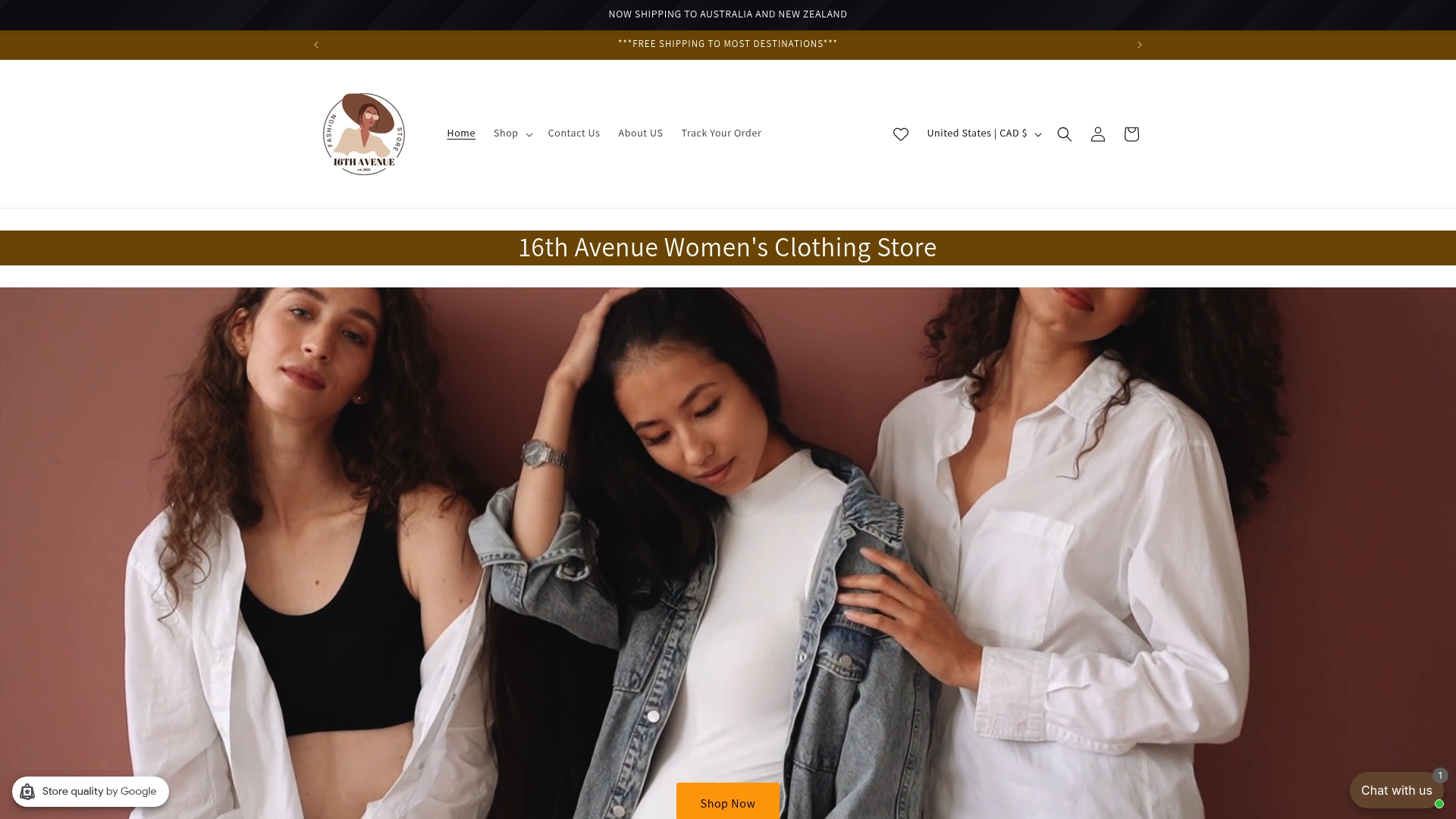
Our collections include options designed for a range of body types, from trendy autumn and winter woolen coats that layer beautifully over curves, to plus size bikini swimwear that celebrates your shape rather than hiding it. We believe that body-positive fashion is not a niche category. It is the standard every woman deserves. Browse our collections, use our size guides, and find pieces that make you feel exactly as powerful as you are.
Frequently asked questions
How can I tell if a brand is truly body positive?
Look for extended sizing and proper grading across their full product range, not just select styles. Diverse models on every product page, not just campaign imagery, is another strong signal.
Does exposure to body positive content on social media actually help?
Body-positive social media content empirically improves short-term body satisfaction and mood for most viewers, though individual responses vary based on personal history and the type of content consumed.
What are some ways to practise body positivity in daily fashion choices?
Choose clothing that fits comfortably and celebrates your shape, and support adaptive and indie labels that invest in real inclusivity. Avoid brands with inconsistent sizing or token diversity in their marketing.
Why do some brands claim body positivity but lack inclusive sizes?
Many brands use inclusivity as a marketing strategy without investing in production infrastructure, resulting in tokenism and consumer frustration. Real change requires investment in grading, design, and supply chain, not just campaign imagery.
Recommended
- Role of Trends in Teen Fashion – Impact on Identity – 16th Avenue
- Top swimwear styles for women in 2026: trendy picks – 16th Avenue
- Role of Influencers in Fashion – Impact on Trends and Trust – 16th Avenue
- Master swimwear trends 2026 for style and confidence – 16th Avenue
- Sasa Elebea Collaboration: Art that Empowers, Worn with Pride – PinPerfect