

Best practices for beauty shopping: your 2026 guide
TL;DR:
- Effective beauty shopping requires understanding your skin concerns and focusing on ingredient quality over hype.
- Timing sales and using verified reviews help maximize value, while replacing routine steps prevents unnecessary clutter.
Best practices for beauty shopping are defined as a strategic process that prioritises product suitability, ingredient literacy, and price awareness over impulse and hype. The average beauty consumer encounters hundreds of product claims, viral trends, and discount offers every week. Knowing how to shop beauty online with a clear method separates shoppers who build routines that work from those who accumulate a shelf of regrets. This guide covers every stage of that process, from reading ingredient lists to timing your purchases for maximum value.
1. Best practices for beauty shopping start with knowing your skin
The first step in any sound beauty product buying guide is defining your actual skin concerns before you open a single product page. Dryness, congestion, sensitivity, and uneven tone each call for different formulations. Buying a product because it is popular, rather than because it addresses your specific concern, is the single most common and costly mistake in beauty shopping.

Effective skincare shopping requires asking foundational questions before purchasing: Can you afford to repurchase this product consistently? Does it fit realistically into your daily routine? These questions filter out impulse buys before they happen.
Pro Tip: Write down your top two skin concerns before you browse. Every product you consider should address at least one of them directly. If it does not, move on.
2. How to read ingredient lists without a chemistry degree
Beauty products succeed or fail based on their delivery systems and formulations, not their brand names or packaging. This means the ingredient list is the most important part of any product label. Ingredients are listed in descending order of concentration, so the first five to seven entries tell you what the product is actually made of.
You do not need technical expertise to read a label effectively. Look for the active ingredient you need (such as niacinamide, hyaluronic acid, or retinol) within the first half of the list. If it appears near the bottom, the concentration is likely too low to produce results.
- Avoid vague claims: Words like “brightening complex” or “youth serum” are marketing language, not ingredient disclosures.
- Check for known irritants: Fragrance (listed as “parfum”), alcohol denat., and certain essential oils are common sensitisers worth watching for.
- Use free tools: Apps like INCI Beauty and CosDNA let you paste an ingredient list and flag potential irritants or misleading claims within seconds.
Terms like “clean” and “eco-conscious” are often marketing jargon unless backed by named certifications such as COSMOS Organic, EWG Verified, or Leaping Bunny. This matters because greenwashing is widespread in the beauty industry, and a certification logo is the fastest verification shortcut available.
Pro Tip: Check the brand’s policy page and supply-chain disclosures before trusting any sustainability claim. A genuine commitment shows up in specifics, not slogans.
3. Using reviews and virtual tools to shop with confidence
52% of millennials regularly purchase beauty products online specifically to study ingredients and reviews at leisure before buying. That behaviour reflects a sound instinct. Reviews are most useful when filtered by skin type, tone, and concern rather than read in aggregate.
Before-and-after photos in reviews deserve scepticism unless the reviewer specifies their skin type, the duration of use, and whether they used other products simultaneously. A photo without that context proves very little.
- Filter by skin type: Most major platforms allow you to sort reviews by skin type. Use this feature every time.
- Look for long-term reviews: A review written after 30 or 60 days of use is far more reliable than one written after a single application.
- Use AR try-on tools: AR try-ons and shade-match tools reduce buyer uncertainty substantially when purchasing colour cosmetics digitally. Tools like L’Oréal’s Virtual Try-On and Sephora’s Colour IQ are worth using before committing to a foundation or lip colour.
- Check return policies first: Before purchasing any new product, confirm the retailer’s return window. A generous return policy removes a significant portion of the risk.
Pro Tip: Ignore the star rating and read the three-star reviews first. They tend to be the most balanced and specific, describing both what worked and what did not.
4. Smart financial strategies for maximising value
Timing purchases by price trends and stacking discounts like coupons, cashback, and gift card bonuses is the most reliable way to maximise value without compromising on product quality. Beauty retail follows predictable seasonal patterns that reward patient shoppers.
- Time your purchases: Major beauty sales occur in november (Black Friday), january (post-holiday clearance), and april (spring launches). Waiting for these windows on replenishable products like cleansers and moisturisers can reduce your annual spend significantly.
- Stack discounts: Combine a site-wide sale with a loyalty reward redemption and a cashback credit card for the highest effective discount. Platforms like Rakuten and credit cards with beauty category bonuses make this straightforward.
- Use loyalty programmes strategically: Multi-brand loyalty tiers and subscription models provide long-term savings, but only when used with discipline regarding product needs and quantities. Signing up for points you will never redeem adds no value.
- Avoid bulk buying untested products: Purchasing a large size of a product you have never used is a common and expensive mistake. Buy the travel or starter size first, confirm it works for your skin, then invest in the full size.
Learning how discounts shape smart shopping across both fashion and beauty categories gives you a broader framework for timing all your style purchases, not just skincare.
5. How to adopt beauty trends without disrupting your routine
Shopping for viral beauty trends requires maintaining a core routine and only introducing trend products to serve specific needs. The core routine has four categories: cleanse, treat, moisturise, and SPF. Every product you own should belong to one of these categories.
The table below shows the difference between a responsible and a reactive approach to trend adoption.
| Scenario | Responsible approach | Reactive approach |
|---|---|---|
| Viral peptide serum | Replaces current treatment step | Added on top of existing treatment |
| Trending tinted SPF | Replaces moisturiser and sunscreen | Used alongside both |
| New exfoliating toner | Replaces weekly exfoliant | Layered with daily active |
| Trending lip oil | Replaces lip balm | Added to existing five-step lip routine |
The pattern is clear: responsible trend adoption means replacing an existing step, not adding a new one. Rapid switching between actives like retinol, AHAs, and vitamin C is a leading cause of skin barrier disruption. Introduce one new product at a time and allow four to six weeks before evaluating results.
For inspiration on 2026 beauty trends worth considering, look for products that serve a gap in your existing routine rather than duplicating what you already own.
6. Common pitfalls in beauty shopping and how to avoid them
The best beauty shoppers avoid hype and vague eco language by following a clear verification checklist before purchasing. The most costly pitfalls are predictable and avoidable once you know what to watch for.
- Counterfeit products: Some third-party sellers on marketplaces sell counterfeit, expired, or improperly stored products that pose genuine safety risks. Warning signs include label errors, unusual product texture or scent, and prices that seem too low for the brand.
- Impulse purchasing driven by social media: A product going viral on TikTok or Instagram is not evidence that it works. Hype and efficacy are not the same thing.
- Overloading on actives: Using retinol, glycolic acid, vitamin C, and niacinamide simultaneously is a common mistake that leads to irritation and routine abandonment. Experts consistently find that shorter, consistent routines outperform complex multi-step ones.
- Ignoring usage reality: A 10-step routine that you follow twice a week delivers worse results than a 3-step routine you follow every day without fail.
Pro Tip: Before adding any product to your cart, ask yourself: “Will I actually use this every day?” If the honest answer is no, put it back.
Key takeaways
The most effective approach to beauty shopping combines ingredient literacy, verified reviews, disciplined financial timing, and a consistent core routine over trend chasing.
| Point | Details |
|---|---|
| Know your skin concerns first | Define your top two concerns before browsing to filter out irrelevant products. |
| Read ingredient lists critically | Check active ingredients appear in the first half of the list and verify sustainability claims with named certifications. |
| Use reviews and AR tools | Filter reviews by skin type and use shade-match tools to reduce purchase risk for colour cosmetics. |
| Time purchases and stack discounts | Align replenishment purchases with seasonal sales and combine loyalty points with cashback for maximum value. |
| Replace, do not add | Introduce trending products by replacing an existing routine step, not by layering on top of it. |
What I have learned from watching beauty shoppers get it wrong
The most consistent pattern I see is this: people spend more time researching a $50 appliance than a $50 serum. They read the Amazon star rating, see a few TikTok videos, and click purchase. Then they wonder why their skin is not improving.
The real problem is not the products. The products are often fine. The problem is that most shoppers have no framework. They are reacting to marketing rather than working from a plan. The brands know this, and the entire industry is built around exploiting it.
What actually works is boring by comparison. A four-step routine, used consistently, with products chosen for your specific skin type, will outperform any 12-step viral routine every single time. I have seen this play out repeatedly. Patience and consistency are not exciting, but they are the actual secret.
The financial side is equally straightforward once you accept that beauty retail is seasonal and predictable. The same moisturiser you pay full price for in september will be 20–30% cheaper in november. There is no virtue in paying full price when the sale is eight weeks away.
My honest recommendation: build your core four steps first, get them working, and only then consider adding a trend product that fills a genuine gap. Treat your beauty budget the way you would treat any other budget. Spend with intention, not with impulse.
— Glenville
Shop beauty with confidence at 16thavenue
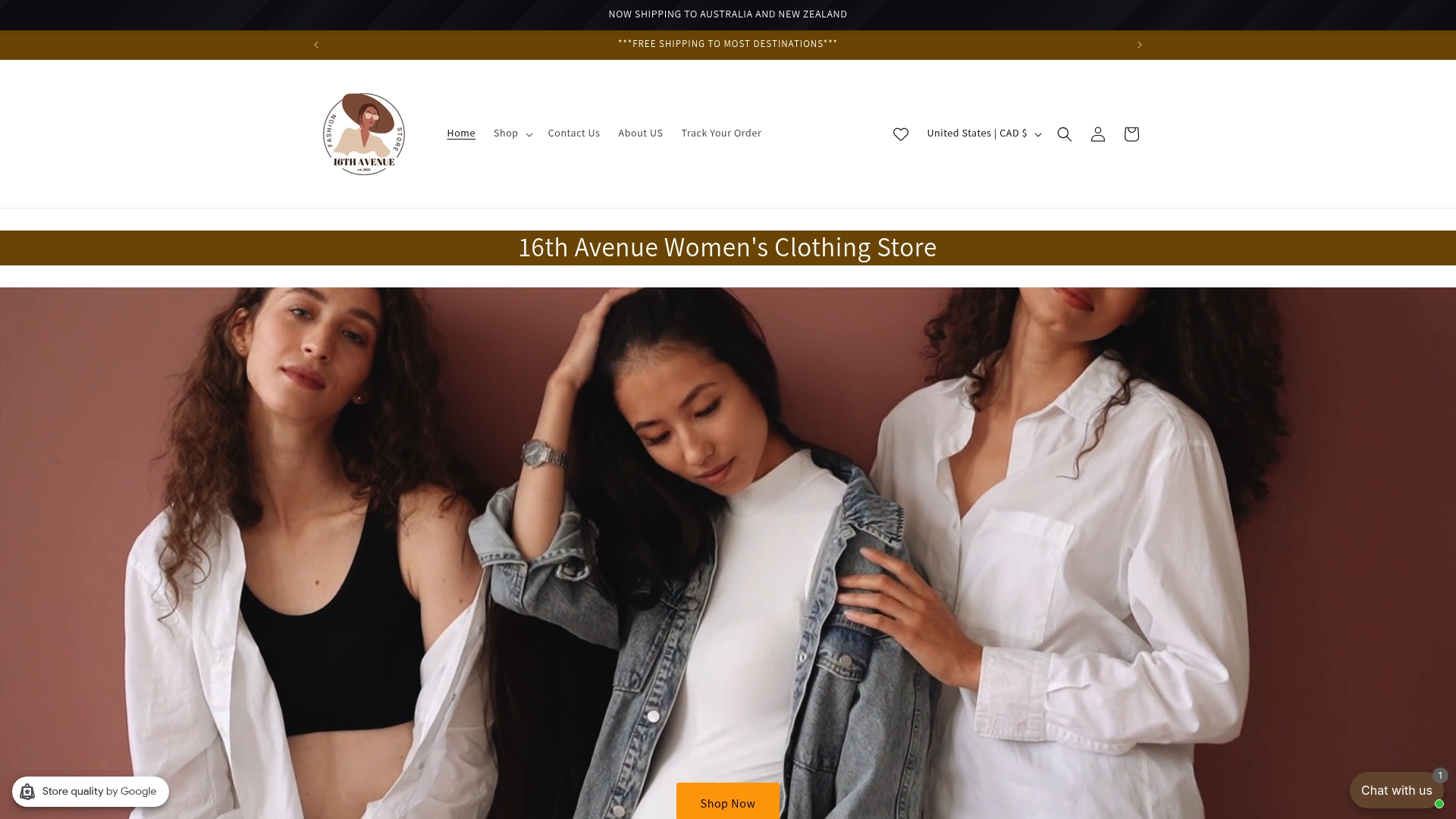
16thavenue curates beauty and fashion products with the value-conscious shopper in mind. From nail polishes and lip oils to eyelashes and skincare, the selection is built around products that fit real routines rather than fleeting hype. Free shipping to most destinations and regular promotions make it straightforward to apply the financial strategies covered in this guide. If you are building or refreshing your seasonal wardrobe alongside your beauty routine, the Women’s Trendy Autumn and Winter Woolen Coat is a strong starting point for a polished, put-together look. Explore the full collection at 16thavenue and shop with the clarity this guide has given you.
FAQ
What are the best practices for beauty shopping online?
The best practices for beauty shopping online include reading ingredient lists critically, filtering reviews by skin type, verifying sustainability claims with named certifications, and checking return policies before purchasing. A defined process reduces both financial waste and skin irritation risk.
How do I avoid counterfeit beauty products?
Purchase directly from brand websites or authorised retailers rather than third-party marketplace sellers. Warning signs of counterfeit products include label errors, unusual texture or scent, and prices significantly below the standard retail price.
How many skincare products do I actually need?
A core routine of four product categories covers cleansing, treatment, moisturising, and SPF. Experts consistently find that shorter, consistent routines outperform complex multi-step ones that get abandoned within weeks.
When is the best time to buy beauty products on sale?
Major beauty sales occur in november around Black Friday, in january during post-holiday clearance, and in april around spring launches. Timing replenishment purchases to these windows is the most reliable way to reduce your annual beauty spend.
How do I know if a beauty trend product is worth trying?
A trend product is worth trying only if it fills a genuine gap in your existing routine or replaces a current step more effectively. If it duplicates something you already own, it adds cost and complexity without adding benefit.